FREE shipping on US orders over $45!
Your cart is empty!
FREE 1-year warranty on all blenders and juicers
More to Consider


Taxes and discounts calculated at checkout.


Free shipping on US orders over $45.
Free 1-year warranty on all blenders and juicers.

FREE shipping on US orders over $45!
FREE 1-year warranty on all blenders and juicers
More to Consider
Taxes and discounts calculated at checkout.

Sherene Chou
April 1, 2026

Sherene Chou
Sherene is a culinary-trained Registered Dietitian Nutritionist for nutribullet focused on making delicious plant-based eats sustainable and accessible for all. She believes that food cultures and traditions should be celebrated and incorporated as part of living a happy and healthy life. When she’s not learning about a new ingredient or food at her local farmers market, you can find Sherene teaching food justice and culinary nutrition to health professionals nationwide.
Founded in the U.S. in 1970 and observed in over 190 countries worldwide, Earth Day shines a light on the state of our planet, and asks us to assess how we, as a global community, can better care for the environment. Whether it’s advocating for multi-national policies that put conservation efforts into law, organizing a community beach cleanup, or simply making the personal choice to refill your water bottle instead of buying a plastic one, every action we take to prioritize the health of our planet can make a difference.
Since our focus at nutribullet® is always centered on food and nutrition, we’d like to share some easy, eco-friendly habits you can implement in your kitchen. Our food choices have an impact on everything from greenhouse gas emissions to water use, and making small shifts in the way we select, prepare, and dispose of the food we eat can have a big collective impact when it comes to supporting a healthier planet.
The global food system plays a significant role in climate change. According to researchers at the Harvard T.H. Chan School of Public Health, a large share of food-related greenhouse gas emissions comes from animal-based foods, particularly red meat.
For the steak and burger lovers reading this, don’t fret. Eating sustainably doesn’t mean you have to give up meat entirely. But if red meat is a constant staple of your diet, shifting towards more plant-rich meals can help reduce emissions while also supporting better health.
Here are a few simple tips inspired by The Culinary Institute of America and nutrition experts.
Vegetables don’t have to be boring. In fact, they can easily become the centerpiece of a flavorful meal. Try elevating roasted or sautéed vegetables, beans, and whole grains with bold sauces like:
These sauces add richness and depth while keeping meals plant-forward and satisfying.
Reducing meat portions, rather than eliminating them entirely, is a practical way to eat more sustainably. In fact, replacing four ounces of beef in your salad or stir-fry with four ounces of beans can save up to 350 gallons of water! When adopted in multiple households over time, these changes can have a significant impact.
Try this simple strategy:
This approach reduces environmental strain while still delivering the flavor and protein you love.
Another easy and flavorful way to reduce meat consumption is to mix ground meat with plant-based foods like:
Blended burgers and meatballs not only use less meat, they also add fiber, nutrients, and complex flavors.
We have a [whole article] dedicated to this topic alone, but home kitchens are some of the worst culprits for food waste – a massive issue in the US. Here are some quick tips for making the most of everything in your kitchen.
If your go-to cleaning regimen includes paper towels and disposable mop cloths, or you toss your plastic food containers and jars after one use, there are other options out there.
These are just a few habits you can implement in your kitchen to reduce your environmental impact. Need some more ideas for your household? Check out this quick list below:
Adopting even a few sustainable household habits can help:
Got a favorite eco-friendly kitchen hack? Share your sustainable tips with us on social at @nutribullet. We’d love to see how you’re celebrating Earth Day and creating a more sustainable kitchen.
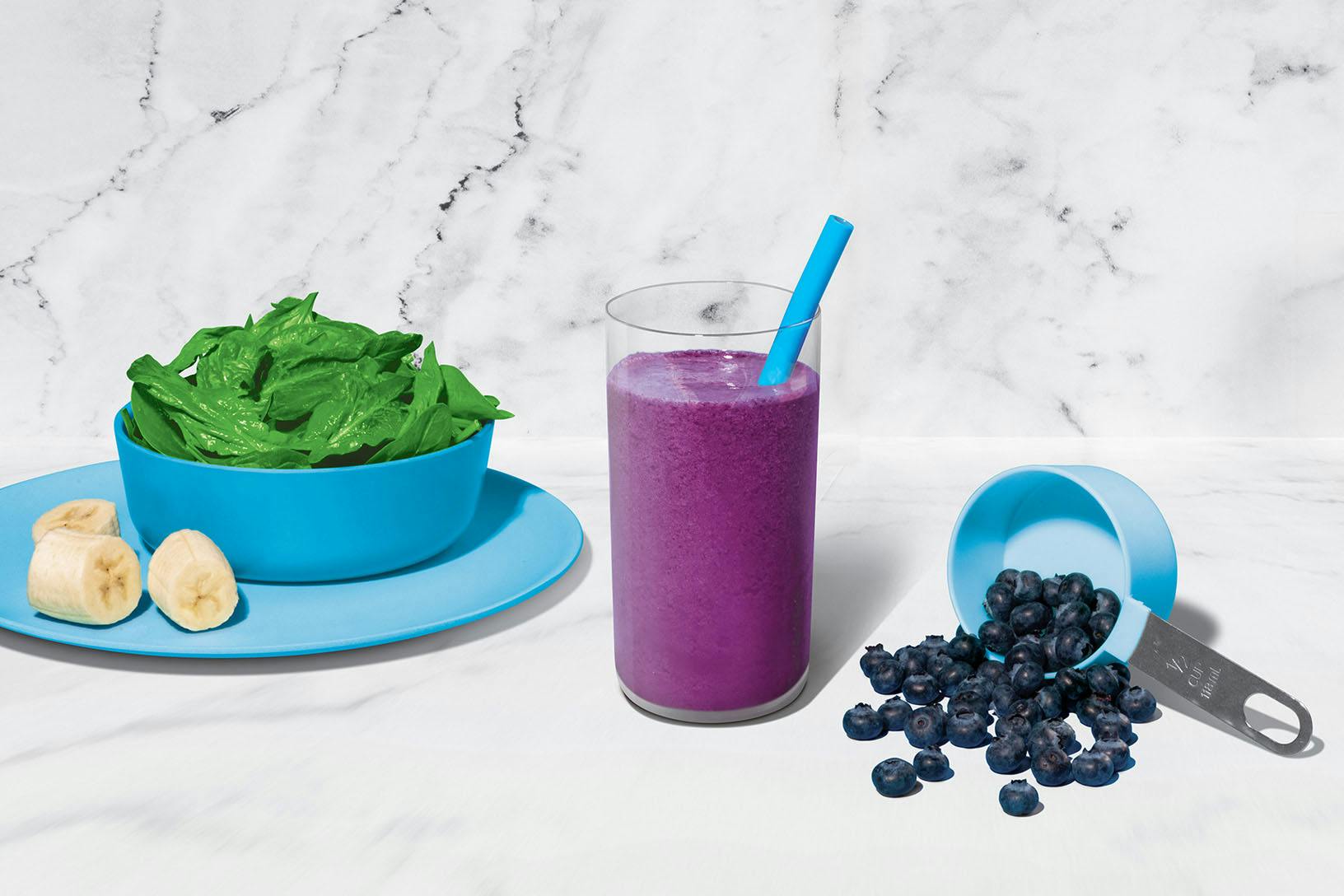
Is there such a thing as a perfect smoothie? This sweet medley certainly makes a strong case. With a classic combination of blueberries, banana, and spinach, this superstar smoothie provides a powerful nutrient boost!
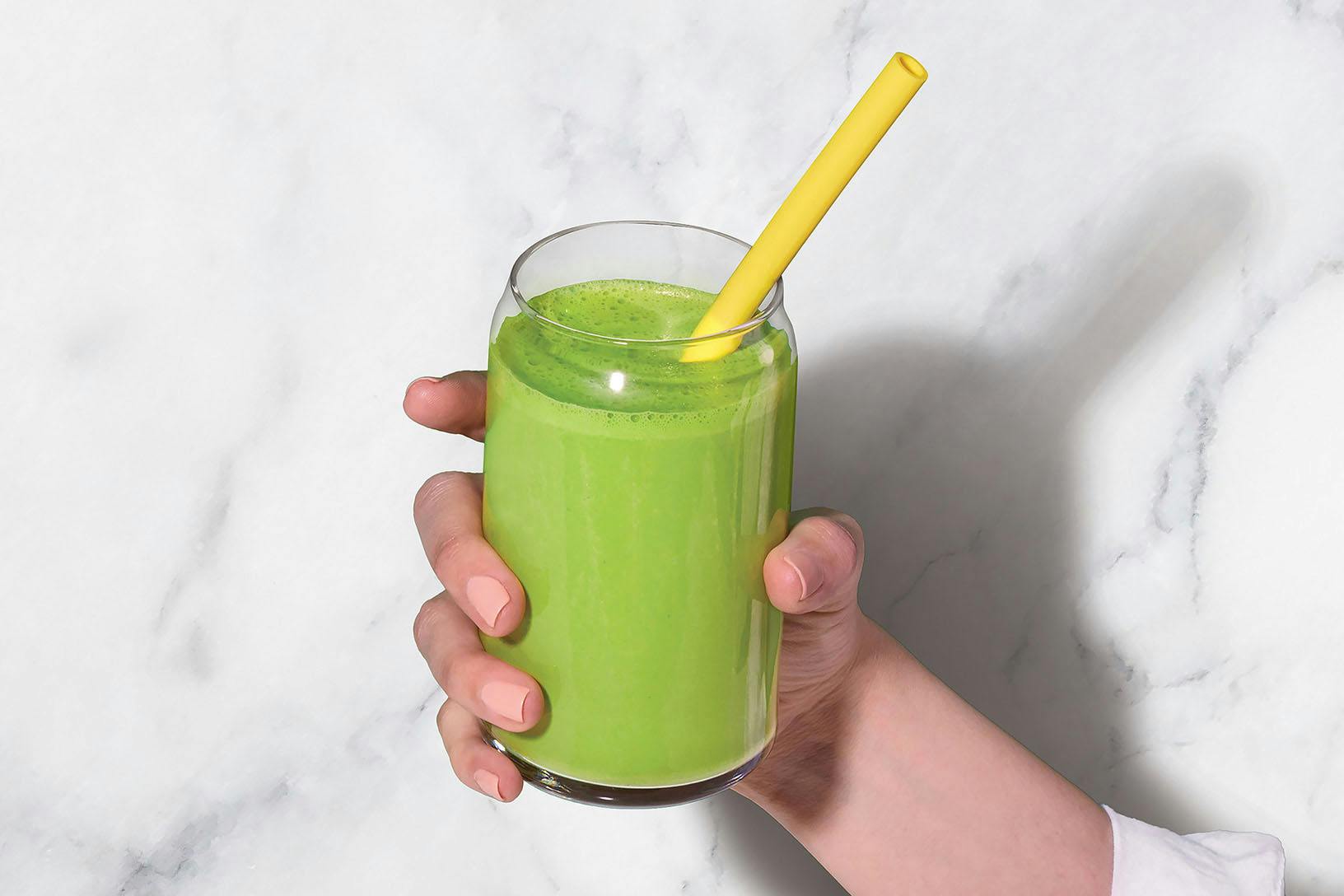
Consider this blend the little black dress of nutribullet smoothies: it never goes out of style. To help keep your energy stable throughout the day, aim to balance your meals and snacks with high-quality protein, healthy fats, and fiber-filled carbs – like this combo of Greek yogurt, peanut butter, fruit, and veggies. There’s a reason this one is always on-trend.
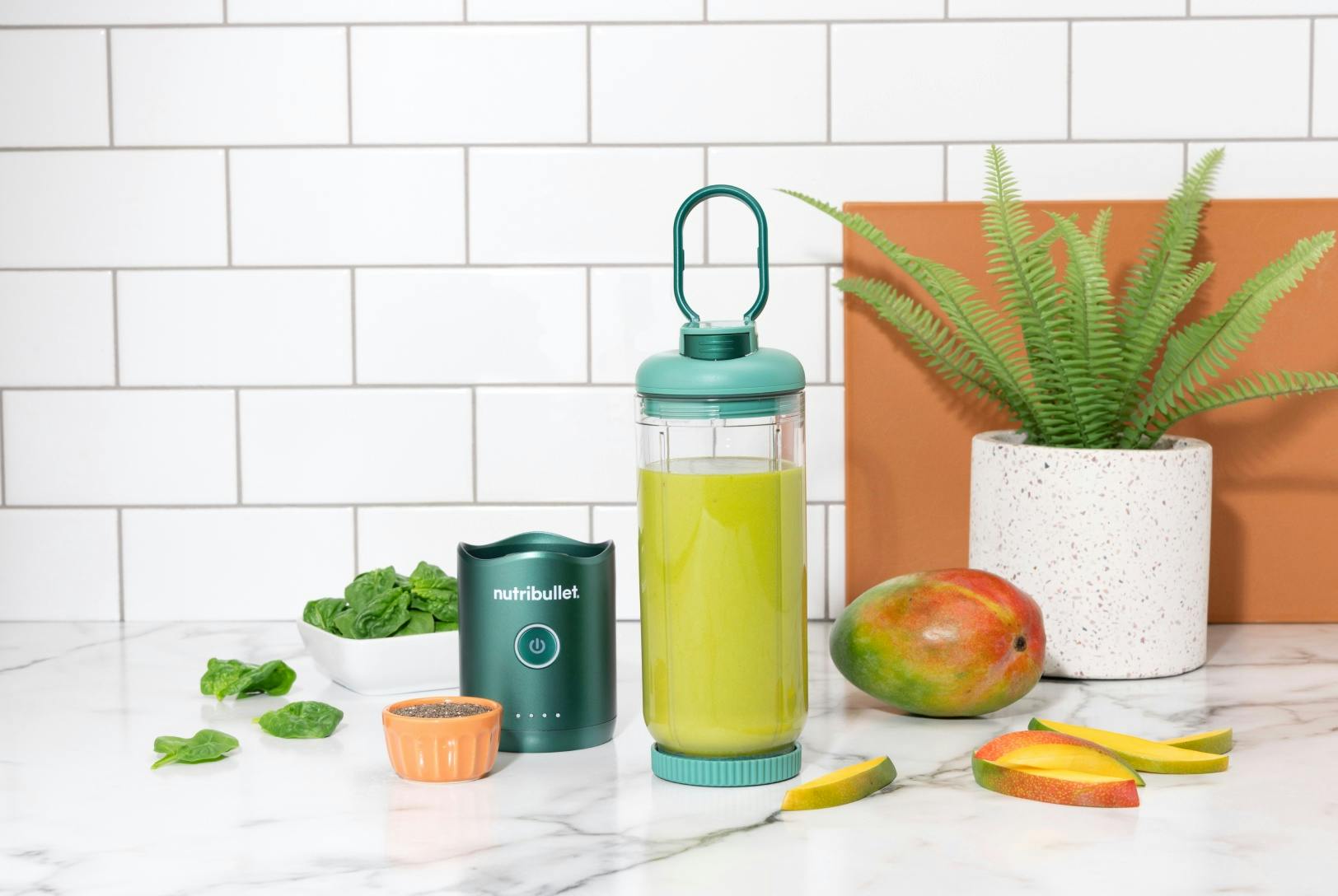
Start your day on a high note with this nutritiously cheerful blend of greens, mango, banana, and chia seeds.