FREE shipping on US orders over $45!
Your cart is empty!
FREE 1-year warranty on all blenders and juicers
More to Consider


Taxes and discounts calculated at checkout.


Free shipping on US orders over $45.
Free 1-year warranty on all blenders and juicers.

FREE shipping on US orders over $45!
FREE 1-year warranty on all blenders and juicers
More to Consider
Taxes and discounts calculated at checkout.
nutribullet
July 13, 2026

nutribullet
Nutrition made easy. At nutribullet, we believe that good nutrition has the power to transform lives. Our products, from our blenders to our blends, make nutrition fun and hassle-free for any lifestyle. So, if you're looking for a simple way to be healthy, we've got you covered.
If you’ve ever stood at the counter pulling chicken apart with two forks, you may have wondered if there’s a faster method available. The answer is yes: you can shred chicken in a full-size blender.
When done correctly, blender-shredded chicken can save time and effort, especially when you’re meal prepping for chicken recipes like tacos, soups, salads, grain bowls, or chicken salad sandwiches. The key is using the right technique. The difference between perfectly shredded chicken and, well, paste comes down to a few simple steps.
In this guide, we’ll cover everything you need to know about how to shred chicken in a blender, including how to prep the chicken, the best blending method, common mistakes to avoid, and when another tool might be the better option.
Yes, using a blender to shred cooked chicken works quickly and effectively.
The catch? Blender blades cut through food rather than pulling it apart the way your hands or forks would, so you have to be very precise with your blending technique.
The most important thing to remember is to use a pulse-based approach. Running a blender continuously on high speed is the fastest way to turn shredded chicken into an overprocessed mess.
For best results, use a full-size blender with variable speed and pulse controls. This gives you more control over texture and allows you to stop blending the moment the chicken reaches the ideal consistency. Single-speed, high-powered personal blenders can work too, but they leave less room for error and are more likely to overprocess the chicken.

The prep work is where many people skip steps, but it’s also what sets you up for success. A little preparation makes shredding easier, faster, and more consistent.
Shredding works best with fully cooked, tender chicken.
Baked, boiled, poached, or slow-cooked chicken breasts and thighs all work well, whether they come from a whole chicken or individual cuts. The more tender the meat, the easier it will separate into shreds without requiring excessive blending. This is also a great way to use up a store-bought rotisserie chicken.
If the chicken is dry or overcooked, it becomes more difficult to control and can quickly go from shredded to unappetizing.
Avoid adding hot chicken directly to the blender.
Allow the chicken to rest until it has cooled enough to handle comfortably. This helps the meat retain moisture and prevents steam from building pressure inside the blender container.
Cooling also gives the chicken a slightly firmer texture, which can make shredding more consistent.
Always remove bones before adding chicken to a blender.
Aside from the fact that no one wants shards of bone in their chicken noodle soup, this protects the blades and helps ensure even shredding throughout the batch.
Before blending, cut or chop the chicken into roughly 1- to 2-inch pieces. Smaller pieces allow the blades to make more consistent contact and reduce the chances of large chunks getting stuck together, making the whole process much easier.

Follow these simple steps for tender, evenly shredded chicken.
Avoid overloading the blender.
Work with about 1 to 2 cups of cooked chicken at a time. Smaller batches allow the chicken to move freely and help the blades reach all the pieces evenly.
Trying to shred too much at once often leads to uneven results, with some pieces getting overly processed while others remain in large chunks.
A little liquid goes a long way.
Add a small splash of chicken broth, cooking liquid, or water before blending. This helps the chicken move around the blade more easily and prevents it from compacting into a dense mass.
The added moisture also helps maintain a tender, moist texture. Just be careful not to add too much—you want the chicken to move, not swim.
This is the most important step if you want to shred the chicken properly.
Use short pulse bursts on a low to medium setting rather than running the blender continuously. Each pulse breaks the chicken down a little more.
After every few pulses, stop and check the texture. Once the chicken reaches your desired consistency, stop blending immediately.
Remember: continuous high-speed blending is the number one reason people end up with chicken paste instead of shredded chicken. With the right rhythm, you can shred chicken in seconds without turning it to paste.
Don’t be afraid to stop and inspect the batch.
Open the blender between pulses and remove any pieces where the chicken is shredded to your liking. Larger chunks can be returned for another pulse or two.
This simple step helps prevent perfectly shredded chicken from getting overprocessed while you’re trying to finish the remaining pieces.
Tip: leftover shredded chicken freezes well too—cool it completely and store it in an airtight container for up to three months, so you’ll always have an easy protein ready for future meals.
While a blender can be a surprisingly effective way to shred chicken, it isn’t always the best choice. Some recipes and situations call for a different approach.
Some dishes benefit from longer, more rustic strands of chicken.
For recipes like pulled chicken sandwiches, chicken tinga, or barbecue chicken, hand-pulling or using a stand mixer with a paddle attachment often creates a more traditional texture with greater variation in strand size.
A blender tends to produce a finer, more uniform shred.
Blender shredding works best in manageable batches.
If you’re preparing several pounds of chicken ahead of time for a party, weekly meal prep, or large family gathering, a stand mixer may be more efficient. It can handle larger quantities at once and requires less stopping, checking, and batch processing—one of the best ways to save time on a big cook.
Dry chicken requires extra care.
Because overcooked chicken can break down quickly, it often moves from shredded to overprocessed with very little warning. Adding broth can help restore moisture, but a fork or stand mixer generally offers more control when working with drier meat.
When it comes to shredding chicken in a blender, control matters just as much as power.
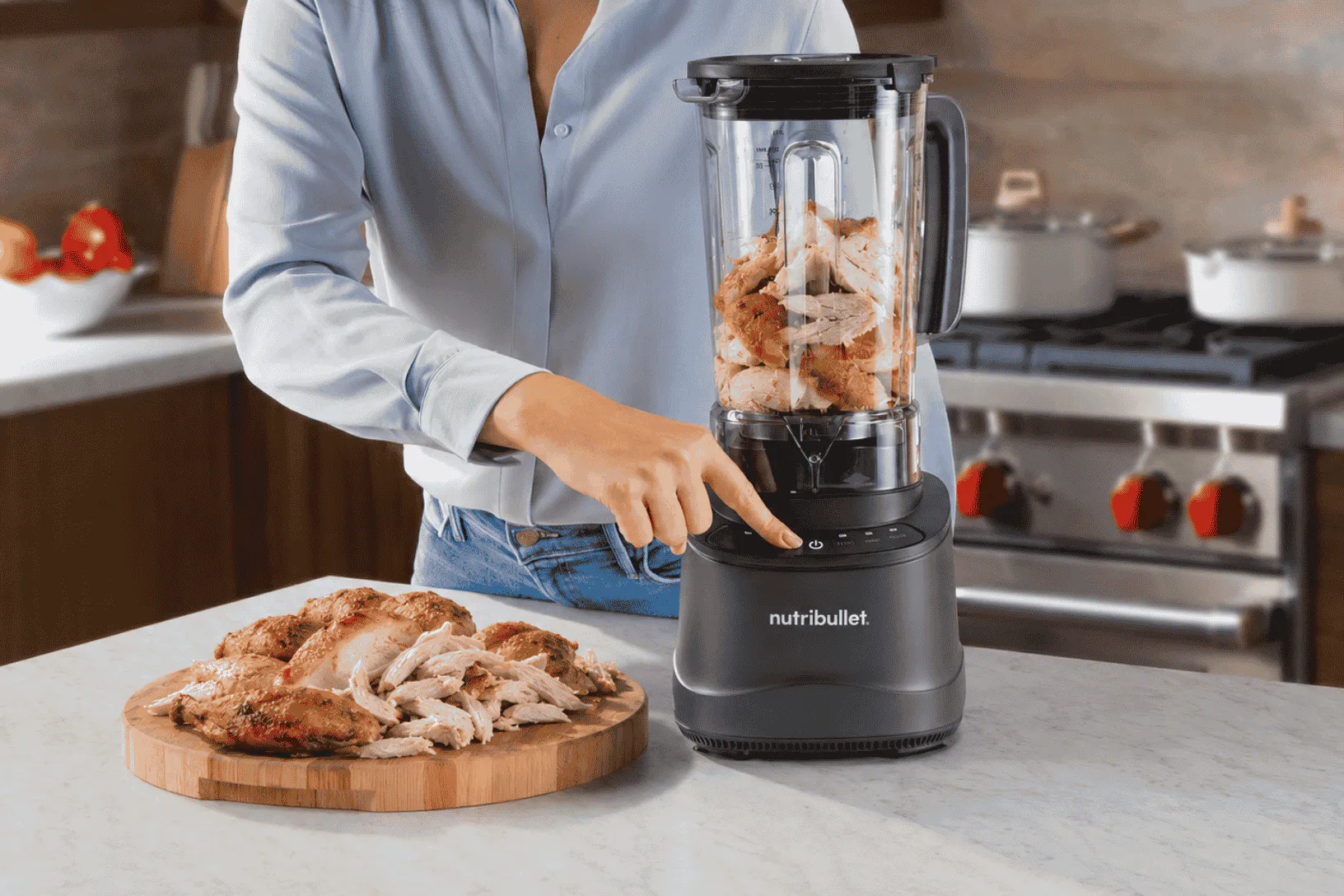
A full-size nutribullet blender gives you the variable speed settings, pulse controls, and pitcher capacity needed to achieve consistent results without overprocessing. Features like these allow you to work in small batches, monitor texture closely, and stop blending the moment your chicken reaches the perfect shred.
Whether you’re meal prepping lunches for the week or putting together a quick weeknight dinner or taco night, nutribullet’s full-size blender lineup—including the SmartSense, Power Core, 1200W, and Triple Prep models—offers the flexibility needed for jobs beyond smoothies.
Explore the full-size nutribullet blender collection to find a model that helps make everyday kitchen prep faster, easier, and more efficient.
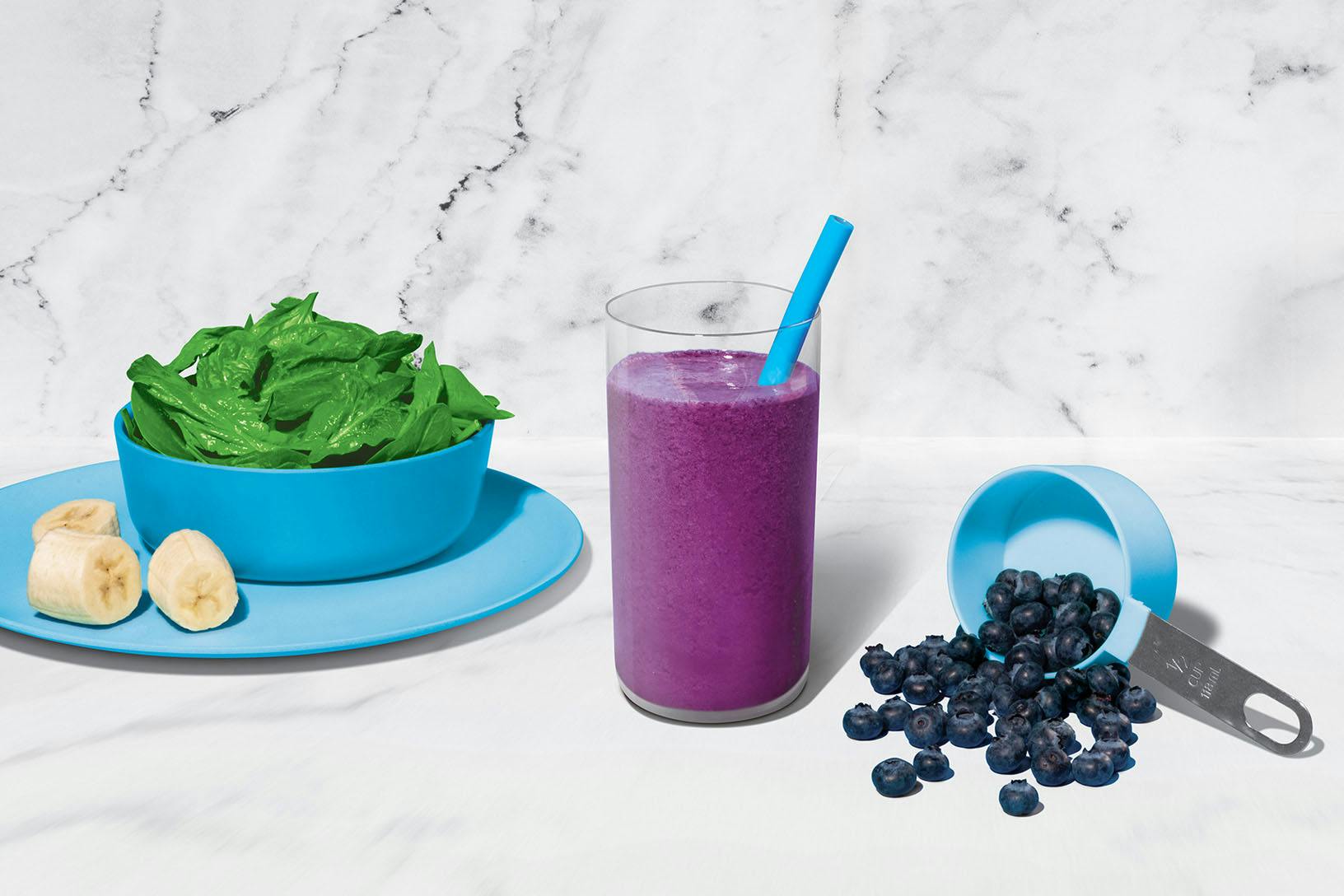
Is there such a thing as a perfect smoothie? This sweet medley certainly makes a strong case. With a classic combination of blueberries, banana, and spinach, this superstar smoothie provides a powerful nutrient boost!
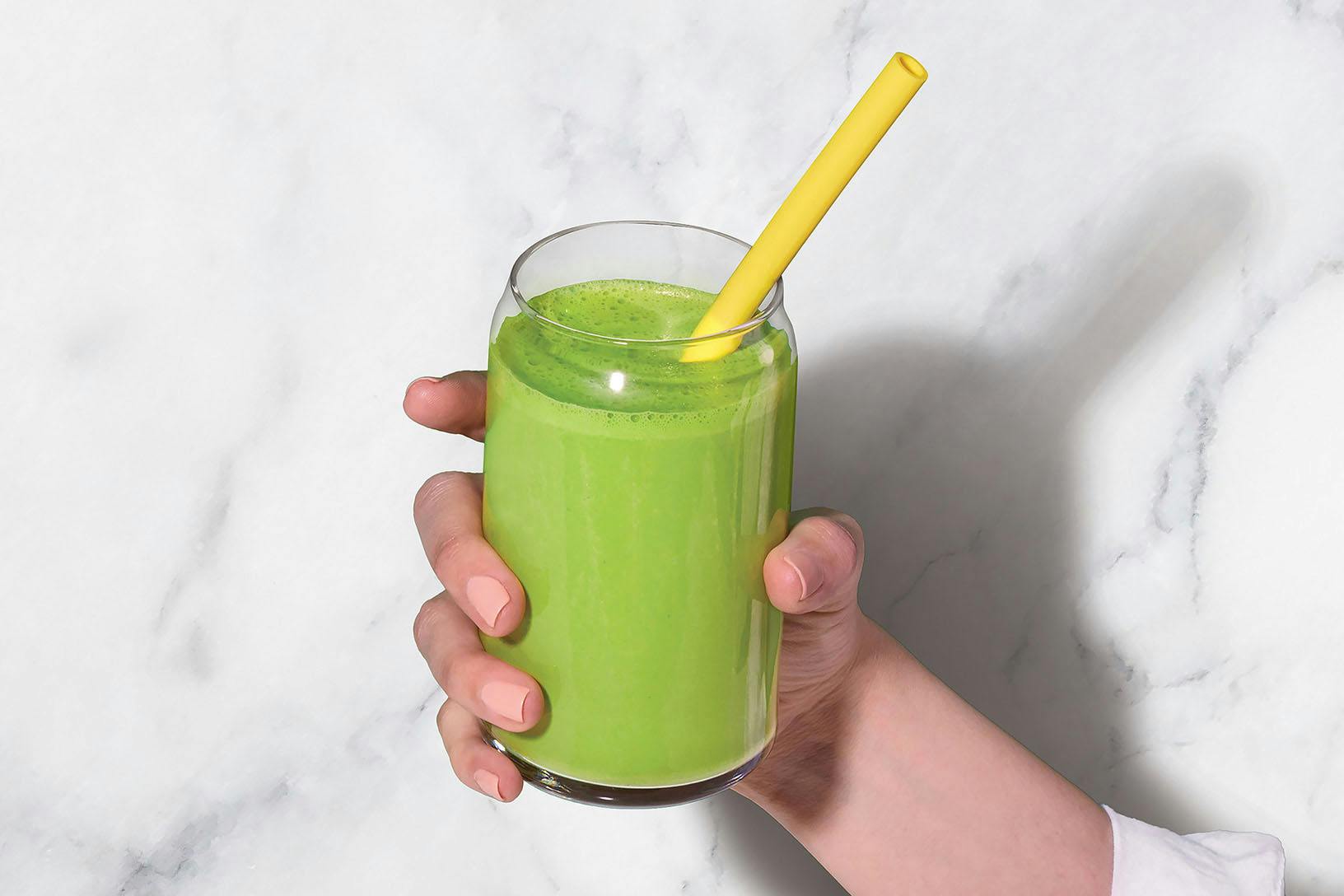
Consider this blend the little black dress of nutribullet smoothies: it never goes out of style. To help keep your energy stable throughout the day, aim to balance your meals and snacks with high-quality protein, healthy fats, and fiber-filled carbs – like this combo of Greek yogurt, peanut butter, fruit, and veggies. There’s a reason this one is always on-trend.
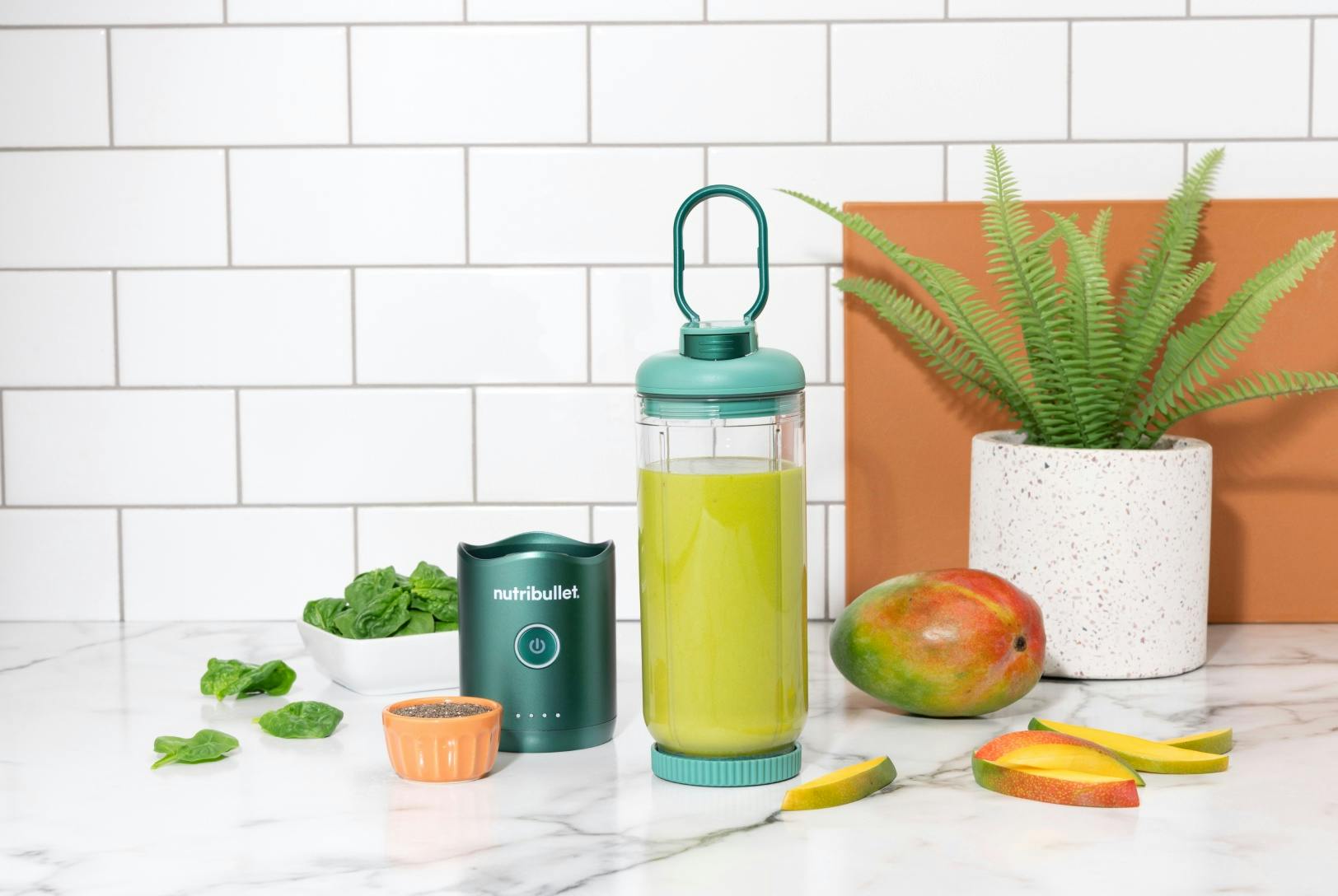
Start your day on a high note with this nutritiously cheerful blend of greens, mango, banana, and chia seeds.