FREE shipping on US orders over $45!
Your cart is empty!
FREE 1-year warranty on all blenders and juicers
More to Consider


Taxes and discounts calculated at checkout.


Free shipping on US orders over $45.
Free 1-year warranty on all blenders and juicers.

FREE shipping on US orders over $45!
FREE 1-year warranty on all blenders and juicers
More to Consider
Taxes and discounts calculated at checkout.
nutribullet
June 8, 2026

nutribullet
Nutrition made easy. At nutribullet, we believe that good nutrition has the power to transform lives. Our products, from our blenders to our blends, make nutrition fun and hassle-free for any lifestyle. So, if you're looking for a simple way to be healthy, we've got you covered.
It’s a uniquely frustrating scenario when you’re about to make your morning brew, only to realize you’re out of ground coffee — or that all you have is a bag of whole beans and no grinder in sight. Thankfully, it’s not the end of your coffee plans.
While a dedicated grinder is certainly convenient, there are several easy workarounds that can get the job done well when you’re in a pinch…and some that aren’t recommended.
In this guide, we’ll share which non-grinder methods to avoid and why, and offer 3 effective solutions, along with a few helpful tips for getting the best possible results based on how you like to brew your coffee.
To sum it up briefly, no. We do not recommend this method.
A quick online search gives you dozens of results suggesting that using a blender to grind coffee beans makes a suitable replacement for a designated coffee grinder, and it seems like a no-brainer. However, as an established kitchen appliance company, we at nutribullet® do not recommend this for two main reasons:
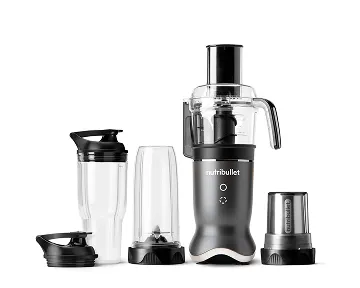
If you want a blender that works double duty as a coffee grinder, the nutribullet® Ultra Plus+ might be your perfect match. The 1200W personal blender system comes with a Coffee & Spice Grinder component that attaches directly to the motor base and is specifically designed to grind whole coffee beans, spices, and dried herbs. If you already have the nutribullet® Ultra personal blender, you can purchase the Coffee & Spice Grinder attachment as an accessory.
If you’re in dire need of a no-grinder workaround right now right now, these three manual methods are legitimate options — no motor required.

It may sound old-fashioned, and does require some effort, but a mortar and pestle is actually a great hands-on solution. Grinding your coffee beans this way gives you precise control over grind size while slowly and gently releasing oils that build into a rich, robust, and complex aroma.
In fact, this is one of the most flexible manual methods, allowing you to work anywhere from a coarser grind for drip coffee, all the way down to a super-fine grind for Turkish coffee or espresso-style brews, even without a dedicated espresso machine.
Start by filling the mortar about one-quarter full with coffee beans.
With the pestle, use a pounding motion to crack the beans into smaller pieces. Once the beans are broken down, switch to a circular grinding motion until you reach the desired grind size.
Continue working in small batches until your coffee reaches its desired texture.
Best for:

A rolling pin can actually work surprisingly well when you need to grind coffee beans without a coffee grinder.
To use this method, place the beans inside a sealed plastic freezer bag or between two sheets of parchment paper. Press down firmly at first to crack the beans, then continue rolling repeatedly with even pressure.
Shake or redistribute the beans occasionally to help create a more consistent grind size.
This method can often achieve a finer grind than people expect — sometimes even finer than a food processor, and provides a solid option for making coffee at home when you’re without your usual tools.
Best for:
If you truly have no other option, a hammer or heavy kitchen object can still help you grind beans without a grinder.
Place the beans inside a sealed plastic bag on top of a sturdy cutting board or towel-covered surface. Using moderate, controlled pressure, tap steadily until the beans break down to your desired texture.
Avoid aggressive pounding. Lighter, consistent taps help preserve more of the bean oils and flavor of coffee while producing a more even grind.
Best for:
No matter which method you use, a few simple techniques can improve your results significantly.
Using the wrong grind size can dramatically affect flavor, strength, and bitterness.

If you don’t have a standalone coffee grinder, a standard blender or food processor is not the answer. In a pinch, a common household tool can absolutely help you grind coffee without dedicated equipment, but if you regularly prepare coffee, spices, sauces, or ingredients at home, purpose-built tools make the process faster, easier, and far more consistent, delivering a truly great-tasting coffee every time.
The right solution is a dedicated grinder. If you want to combine blending, food processing, and coffee grinding capabilities, the nutribullet® Ultra Plus+ is the way to go. This 1200W personal blender comes with both a Coffee & Spice Grinder attachment, as well as a small Food Processor attachment for ultimate versatility.
And if you already own a nutribullet® Ultra, you can purchase the nutribullet® Ultra Plus+ Coffee & Spice Grinder attachment on its own. It offers a dedicated grinding solution that attaches seamlessly to your nutribullet® Ultra motor base, making it easy to grind coffee beans, spices, and more with better consistency and control.
And for readers looking for a compact, versatile prep appliance, the nutribullet Limitless™ Food Processor delivers powerful chopping, slicing, shredding, and pureeing functionality with dishwasher-safe parts and a space-saving storage design.
Explore nutribullet ® kitchen countertop appliances to upgrade your coffee routine and simplify everyday prep work.
It’s not recommended — even if it seems to work short-term, the friction generates heat that can affect flavor, and the abrasive nature of coffee beans will dull the blades and stress the motor over time.
The ideal grind depends on your brewing method:
Matching grind size to brew style helps improve flavor and extraction. Once you grind your beans, transfer them to an airtight container to slow oxidation and keep them as fresh as possible until you’re ready to brew a cup.
Yes. Coffee beans are hard and can dull blender blades and put unnecessary stress on the motor if ground frequently.
For daily grinding, a dedicated coffee grinder or blender attachment like the nutribullet® Ultra Plus+ Coffee & Spice Grinder is the better long-term investment.
Check the grounds frequently between pulses.
As a general guide:
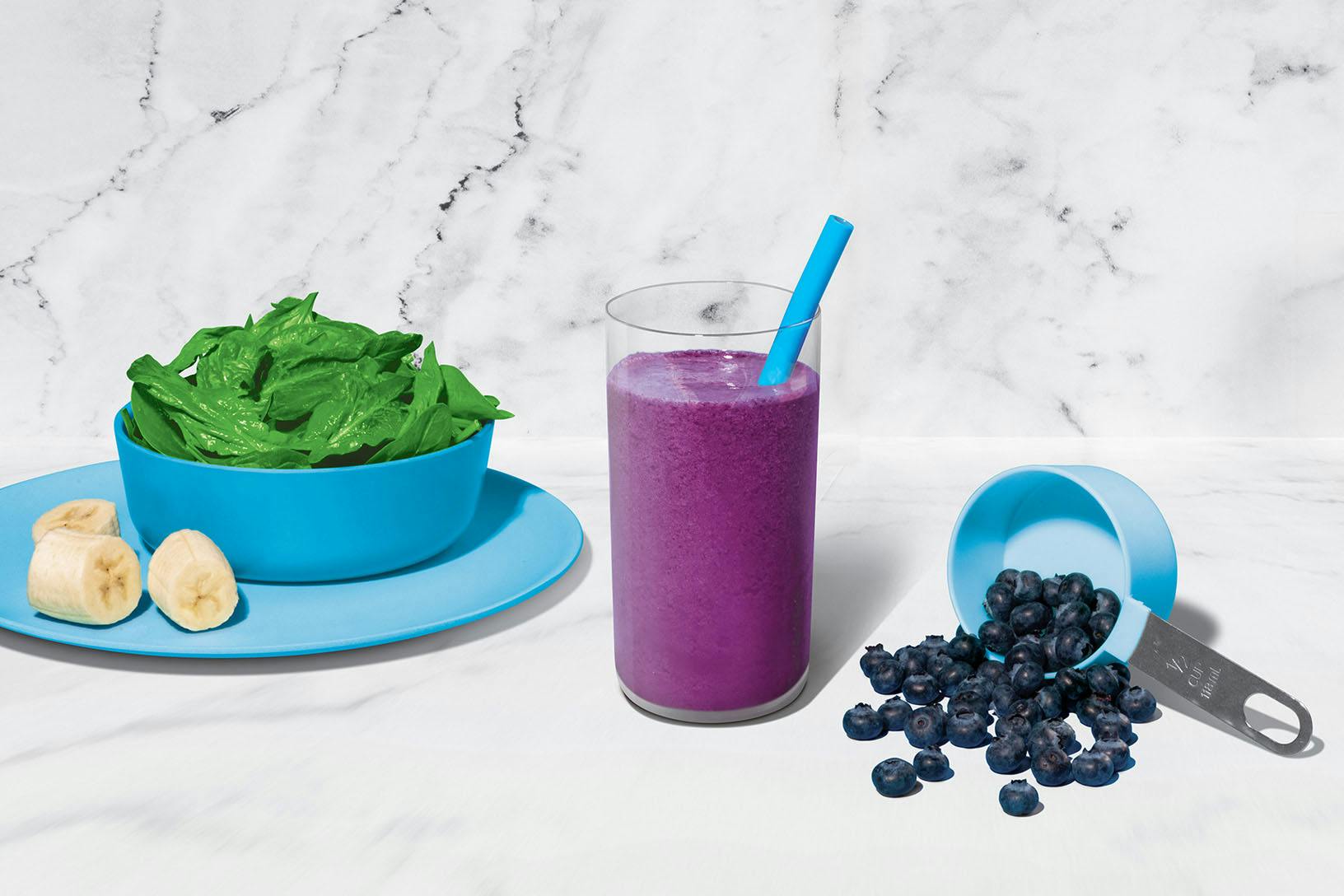
Is there such a thing as a perfect smoothie? This sweet medley certainly makes a strong case. With a classic combination of blueberries, banana, and spinach, this superstar smoothie provides a powerful nutrient boost!
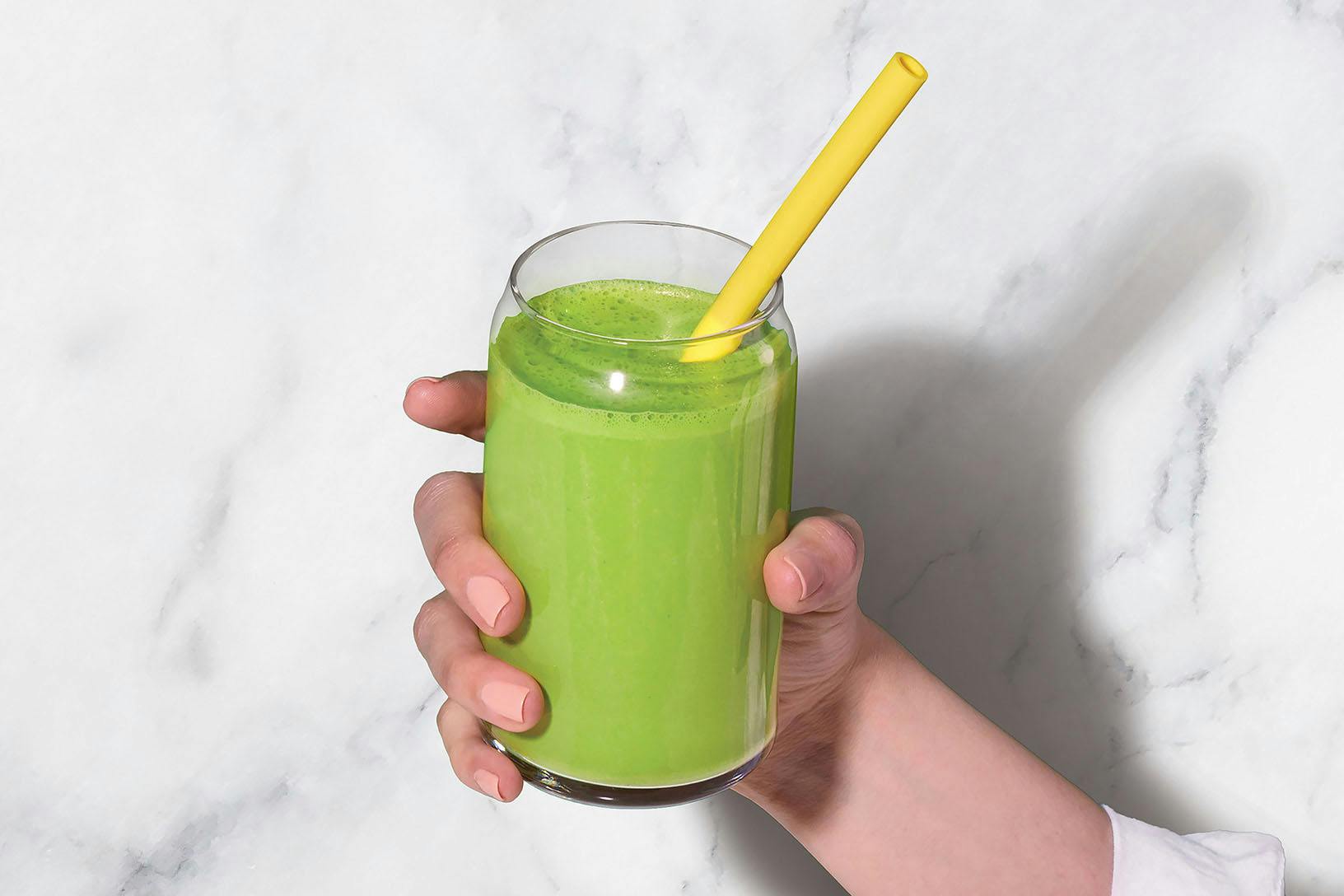
Consider this blend the little black dress of nutribullet smoothies: it never goes out of style. To help keep your energy stable throughout the day, aim to balance your meals and snacks with high-quality protein, healthy fats, and fiber-filled carbs – like this combo of Greek yogurt, peanut butter, fruit, and veggies. There’s a reason this one is always on-trend.
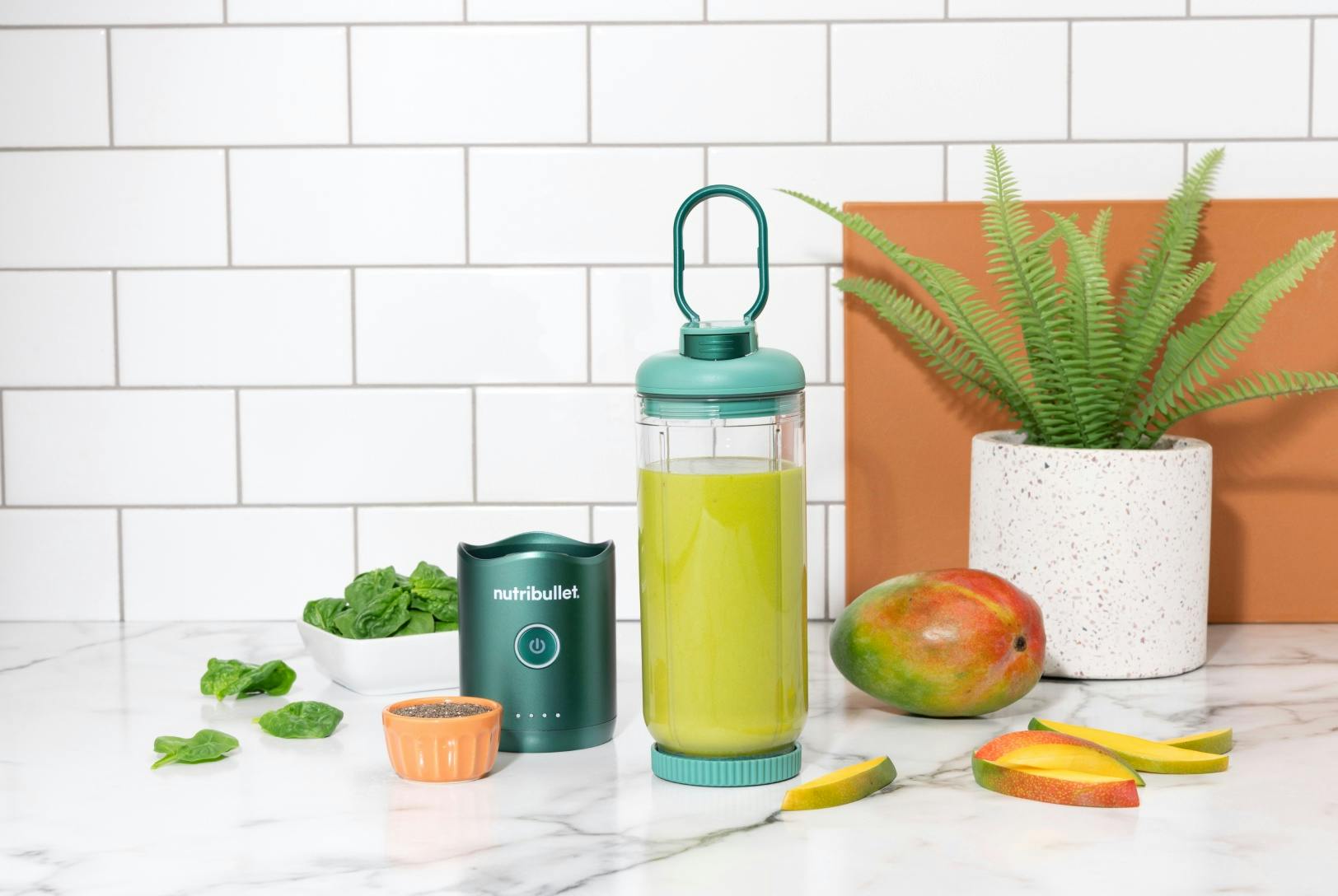
Start your day on a high note with this nutritiously cheerful blend of greens, mango, banana, and chia seeds.