FREE shipping on US orders over $45!
Your cart is empty!
FREE 1-year warranty on all blenders and juicers
More to Consider


Taxes and discounts calculated at checkout.


Free shipping on US orders over $45.
Free 1-year warranty on all blenders and juicers.

FREE shipping on US orders over $45!
FREE 1-year warranty on all blenders and juicers
More to Consider
Taxes and discounts calculated at checkout.
McKenzie and Sherene
May 20, 2026

McKenzie Jones
McKenzie is Registered Dietitian Nutritionist for nutribullet who aims to make the world a healthier, happier place. She believes that living a healthy lifestyle and eating for your health isn't meant to be complicated -- it's meant to be simple, enjoyable, and judgment-free (with room for dessert). When she’s not dishing out nutrition tidbits, you can find McKenzie visiting her local farmers market, hiking her favorite trails with her husband, and chasing after her daughters.
If you’ve ever found yourself standing in your kitchen (or scrolling online) wondering “juicer vs blender… which one do I actually need?”, you’re in very good company.
Both appliances are incredibly popular for similar reasons. They can both help you get more fruits and vegetables into your daily diet, support your health goals, and make quick, nourishing drinks at home. But they work in completely different ways, and that difference really matters when it comes to how they fit into your routine.
Let’s walk through it together so you can make a choice that feels simple, aligned, and useful in your day-to-day life.
At the heart of the juicer vs. blender decision is this one key difference:
That one distinction shapes everything else: how your drink feels, how filling it is, how your body processes it, how long cleanup takes, and even how much produce you’ll use.

These are the most common—and often the most approachable—entry point into juicing, often known as a juice extractor.
Centrifugal juicers or juice extractors use a fast-spinning blade to shred produce and separate the juice from the pulp. They’re quick, easy, and great for busy mornings when you want to use a juicer without a lot of prep time.
One thing to know: because they spin so fast, these juicers introduce more air and heat into the juicing process, which can lead to some nutrient loss through oxidation. Still, for many people, convenience alone makes them a favorite to start with.
Best for: Beginners or anyone who wants fast, simple juicing.
These juicers take a slower, more gentle approach.
Instead of shredding, they press and crush produce, which results in less heat and air exposure. This means more nutrients are retained during the process. Some estimates suggest cold-press juicers can preserve significantly more nutrients than centrifugal models.
Best for: Those who want to get the most out of every glass and don’t mind a little extra prep and cleanup.
This is the most powerful—and most specialized—type of juicer.
Triturating juicers use two interlocking gears to extract as much juice as possible, especially from leafy greens and tougher produce like wheatgrass.
They’re incredibly effective, but also larger and more of an investment.
Best for: Serious juicing enthusiasts who want top-tier performance.
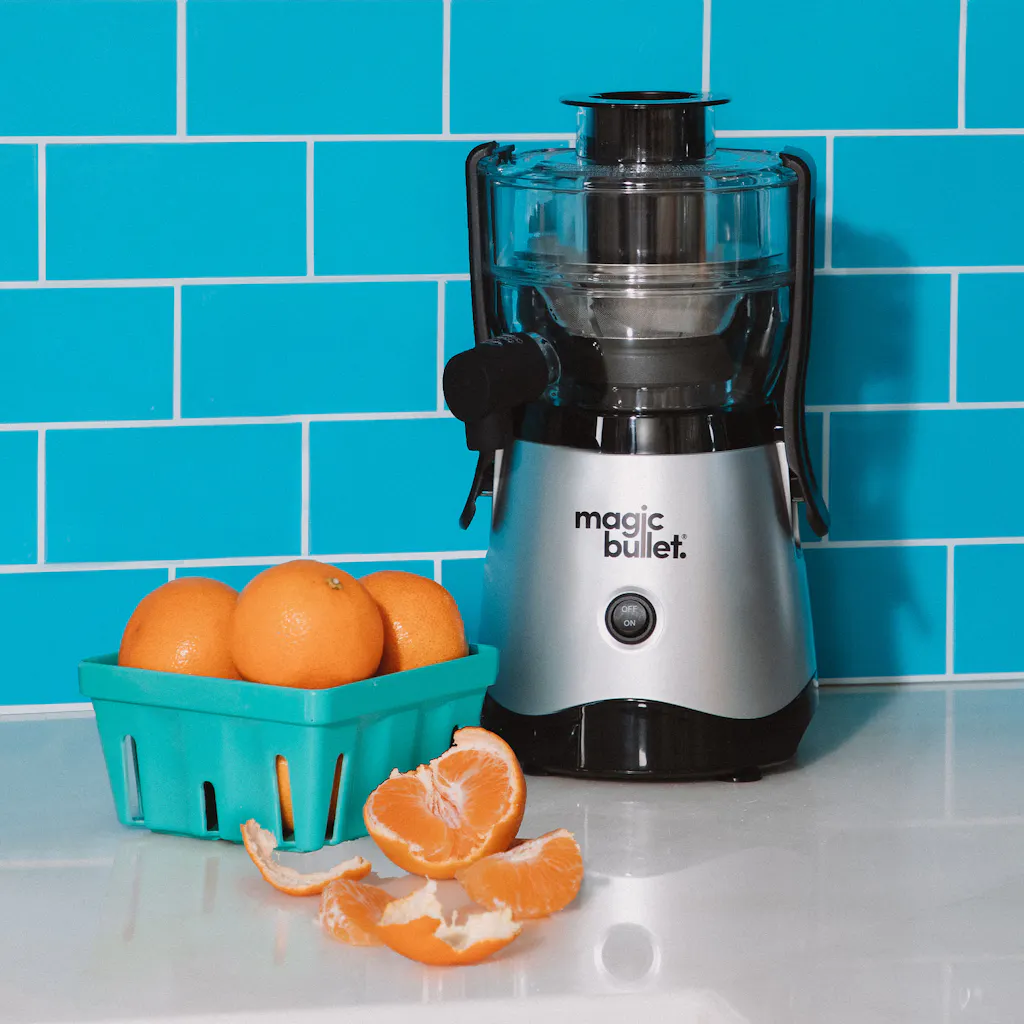
Simple, focused, and very satisfying to use for fresh citrus juice.
These are designed specifically for citrus fruits like oranges, lemons, and grapefruits. They’re affordable, easy to clean, and perfect for everyday use.
Best for: Anyone who mainly wants fresh citrus juice without a full-sized machine.
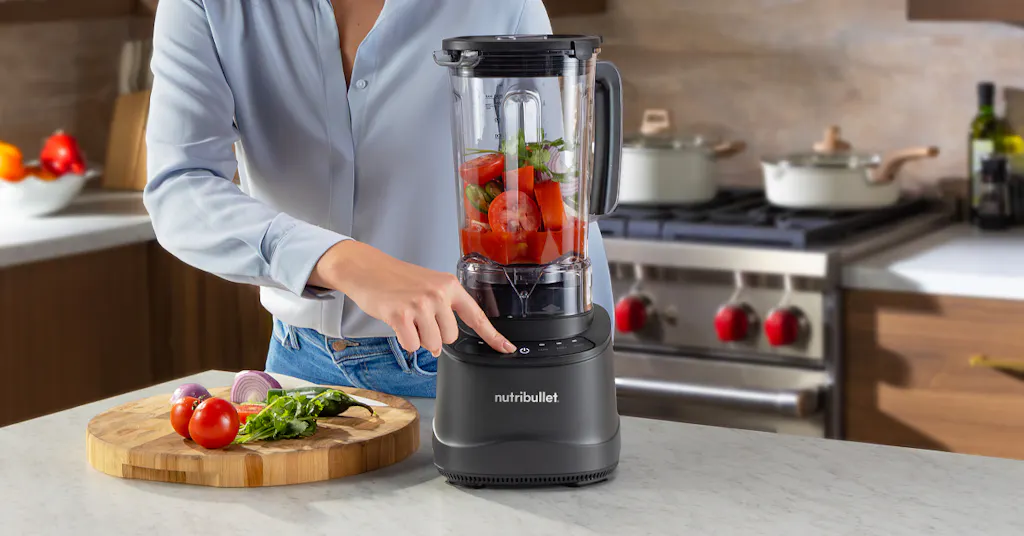
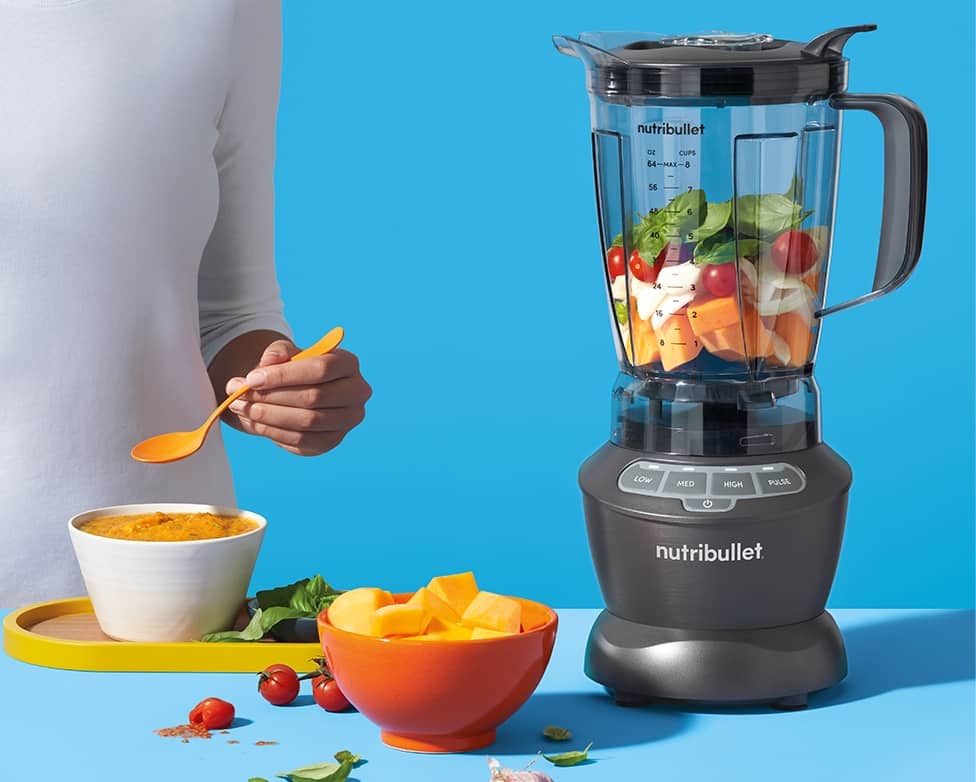
Your standard blender is a classic, do-it-all kitchen workhorse.
They can handle smoothies, soups, sauces, and more—and come in a wide range of price points and power levels.
Best for: Households looking for one versatile appliance.
This is where convenience really shines.
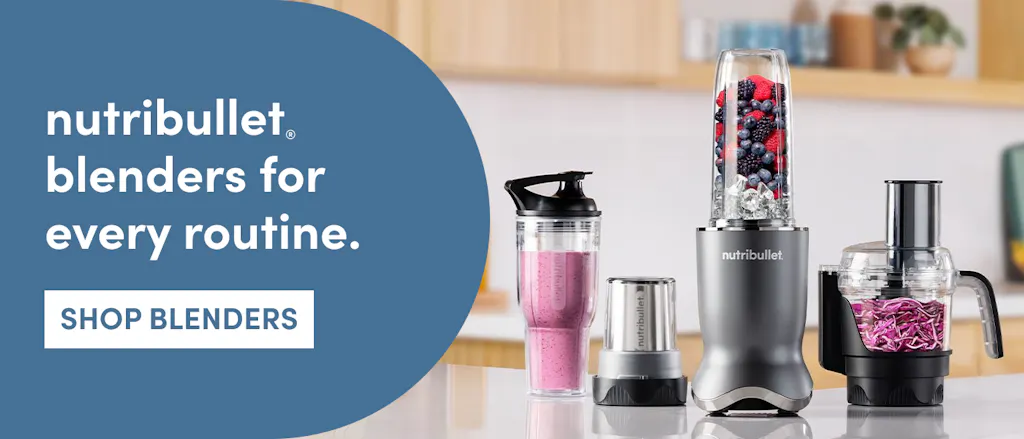
Compact and designed for single servings, personal blenders are perfect for quick smoothies. The blending cup often doubles as your to-go cup, which makes mornings feel a whole lot easier.
Best for: Busy routines and quick, no-fuss blending.
Compact and designed for mobility.
Portable blenders are typically battery-powered and intended for single servings. They’re useful for simple blends like smoothies or shakes when away from the kitchen. They have less power than full-size models, so they work best with softer ingredients and smaller quantities.
Best for: Travel, commuting, and light, single-serve use.
These handheld tools are incredibly handy.
You can blend directly in a pot or bowl, which makes them great for blending soups, sauces, and softer foods.
Best for: Small jobs and as a supplemental kitchen tool.
These are the powerhouses.
They have plenty of power and can break down tough ingredients like nuts, seeds, and ice into incredibly smooth results every time. They’re an investment, but built for frequent, heavy use.
Best for: Daily users who want maximum blending power.
For many people, this isn’t actually an either/or decision.
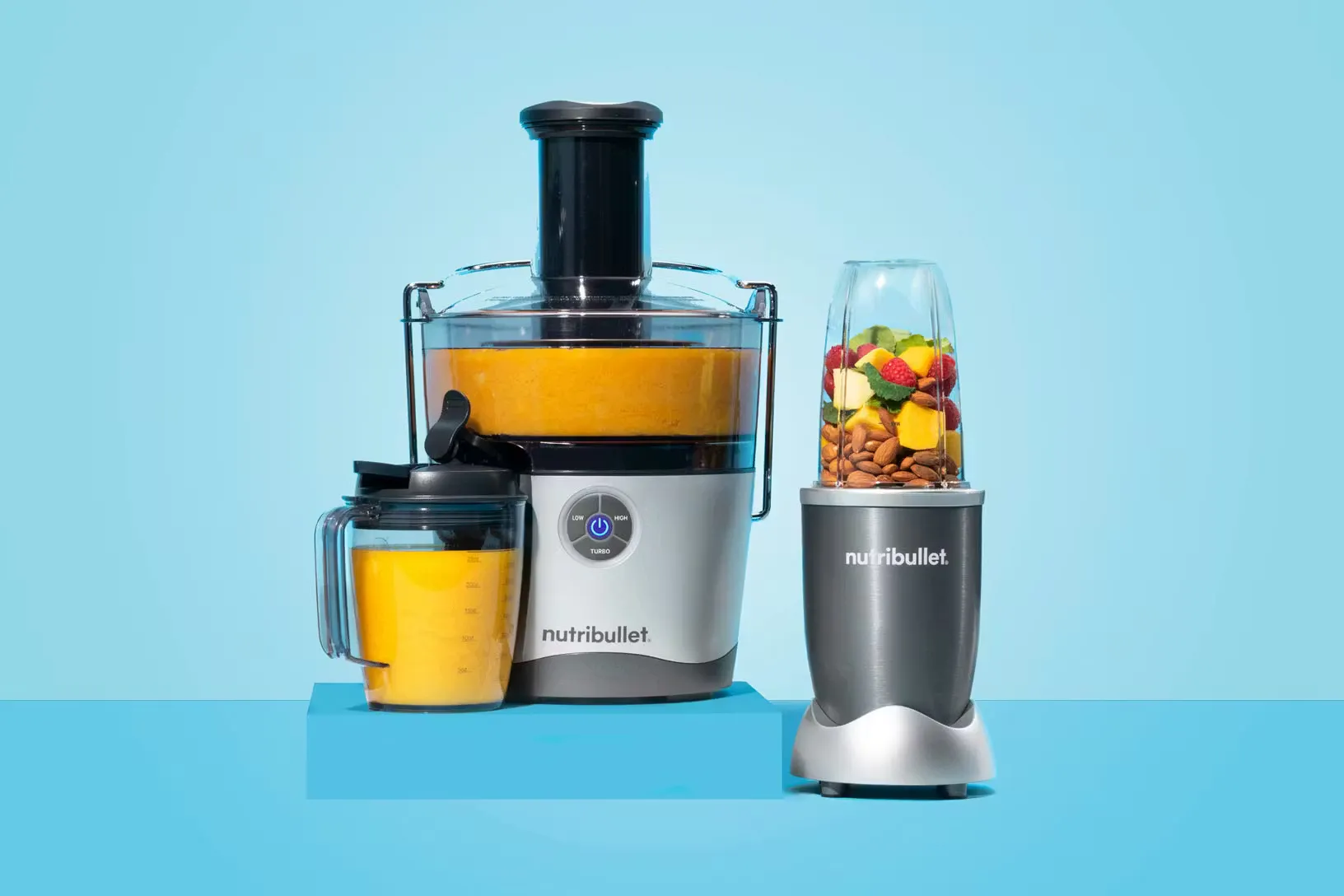
Blenders and juicers can complement each other beautifully. A personal blender is perfect for everyday smoothies, while a juicer can be something you reach for when you want a lighter, more concentrated boost.
You don’t have to start with both—just begin with what fits your routine right now.
At the end of the day, the juicer vs blender decision comes down to how you want to feel in your routine.
Do you want something quick, filling, and versatile?
Or something light, refreshing, and focused on concentrated nutrients?
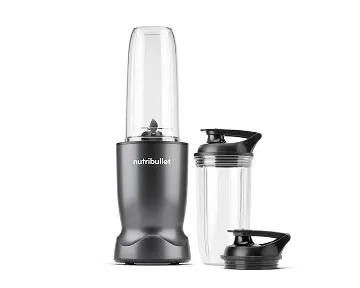
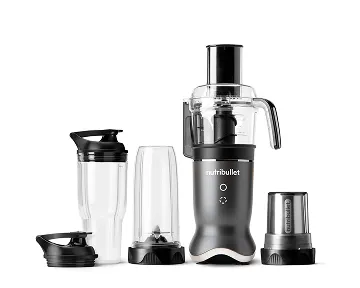
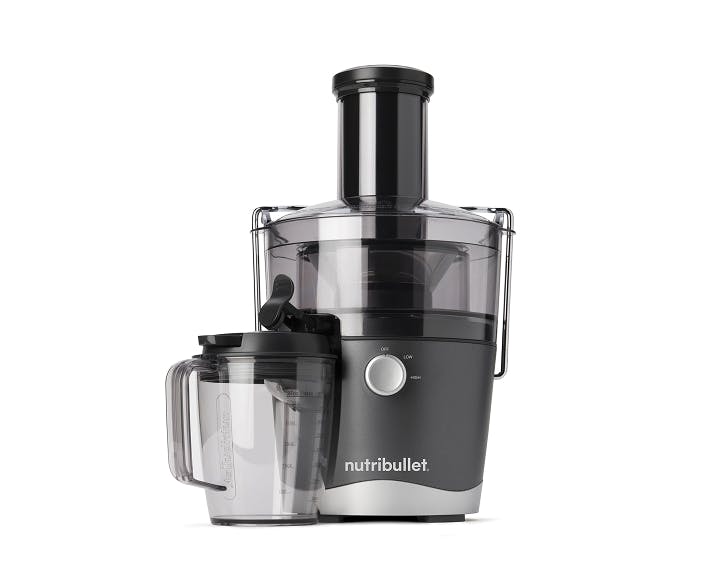
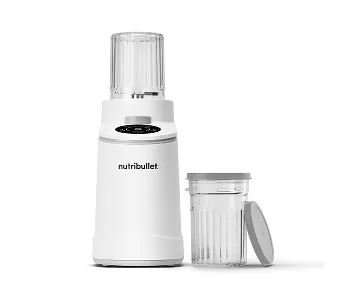
nutribullet® offers both appliances, and they’re designed to be simple, approachable, and easy to use every day.
Whether you’re starting with smoothies, juicing, or a little bit of both, there are multiple options to help you process fruits and vegetables with ease.
And that’s really the goal: not just buying the “right” appliance but choosing something you’ll truly enjoy using over and over again.
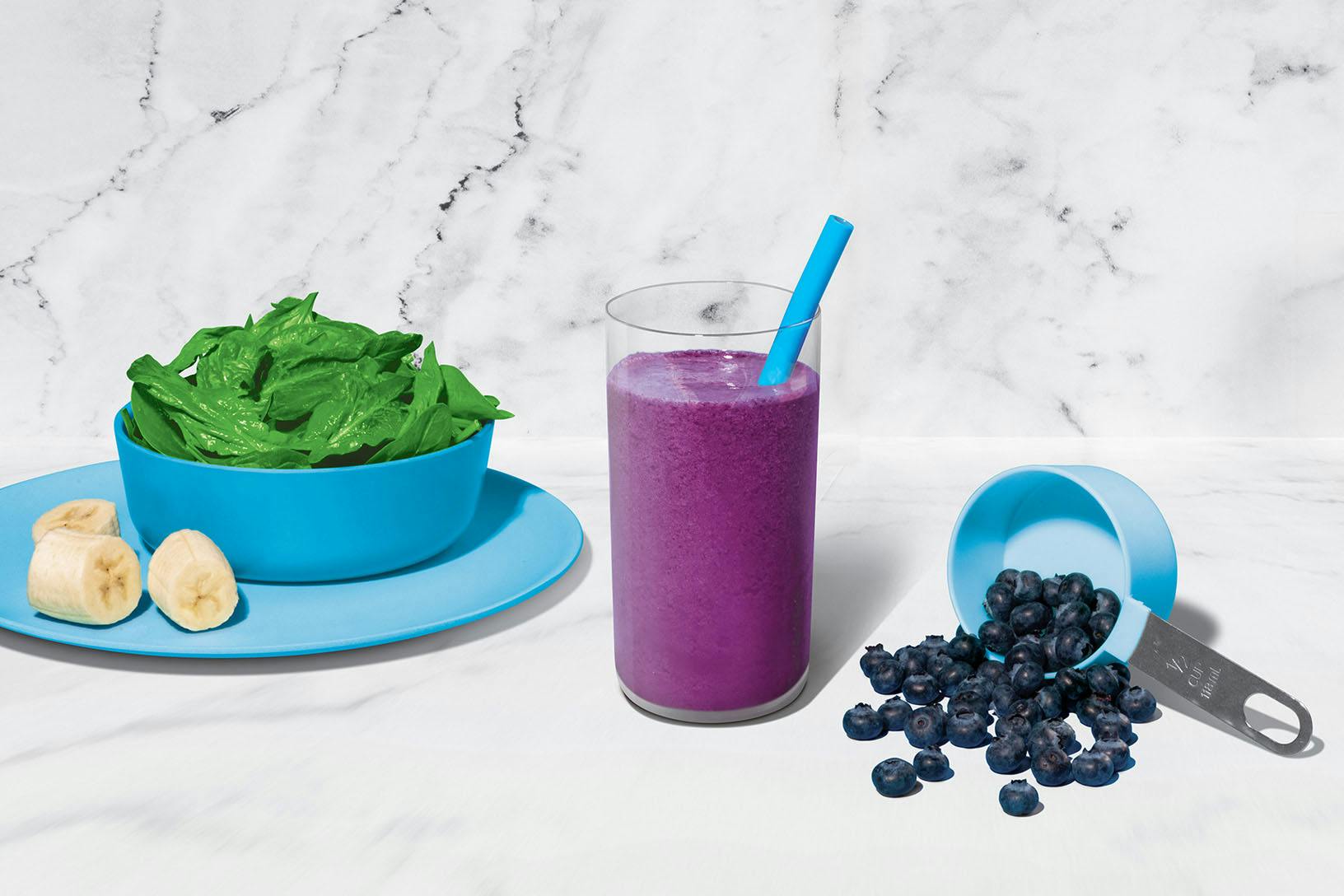
Is there such a thing as a perfect smoothie? This sweet medley certainly makes a strong case. With a classic combination of blueberries, banana, and spinach, this superstar smoothie provides a powerful nutrient boost!
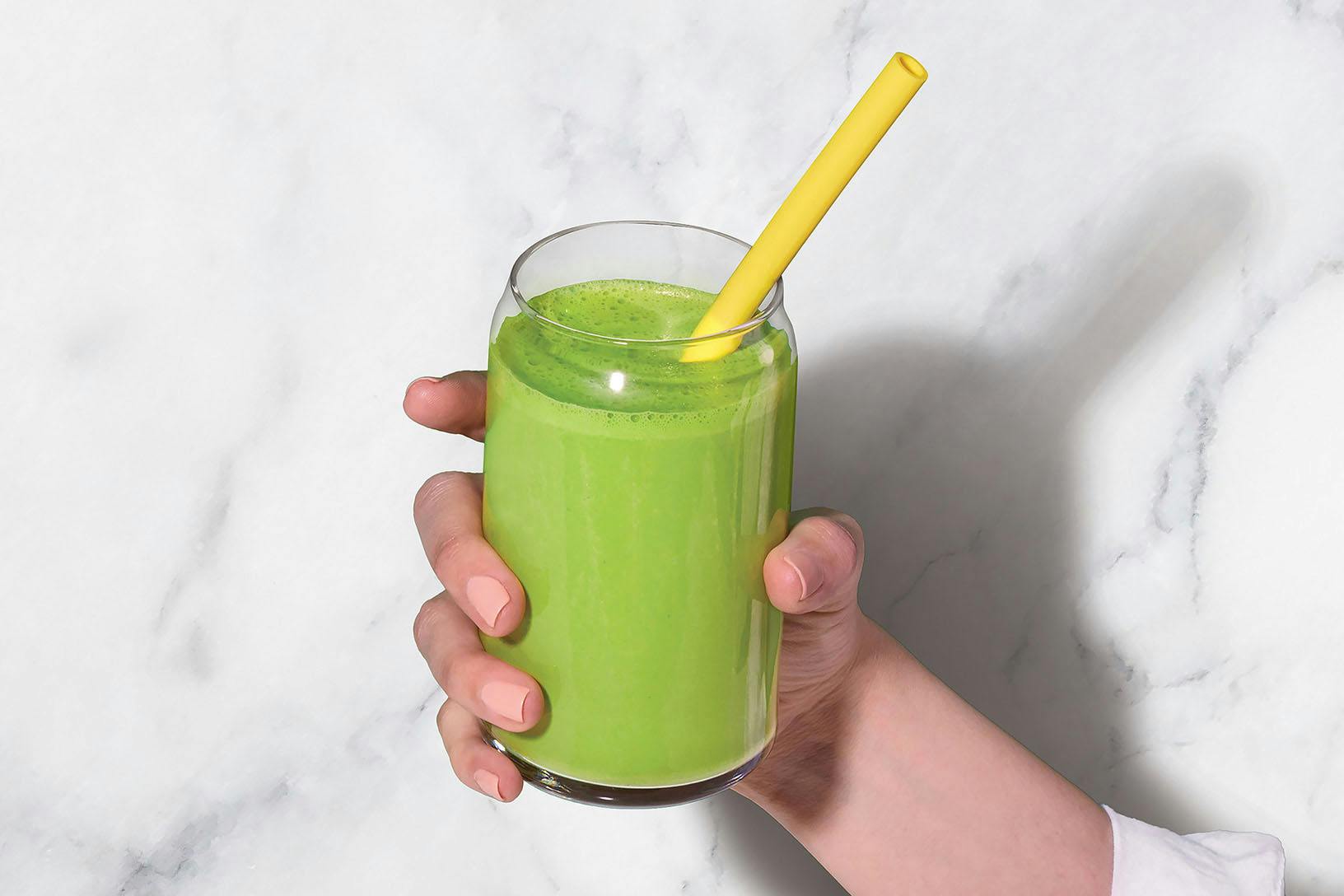
Consider this blend the little black dress of nutribullet smoothies: it never goes out of style. To help keep your energy stable throughout the day, aim to balance your meals and snacks with high-quality protein, healthy fats, and fiber-filled carbs – like this combo of Greek yogurt, peanut butter, fruit, and veggies. There’s a reason this one is always on-trend.
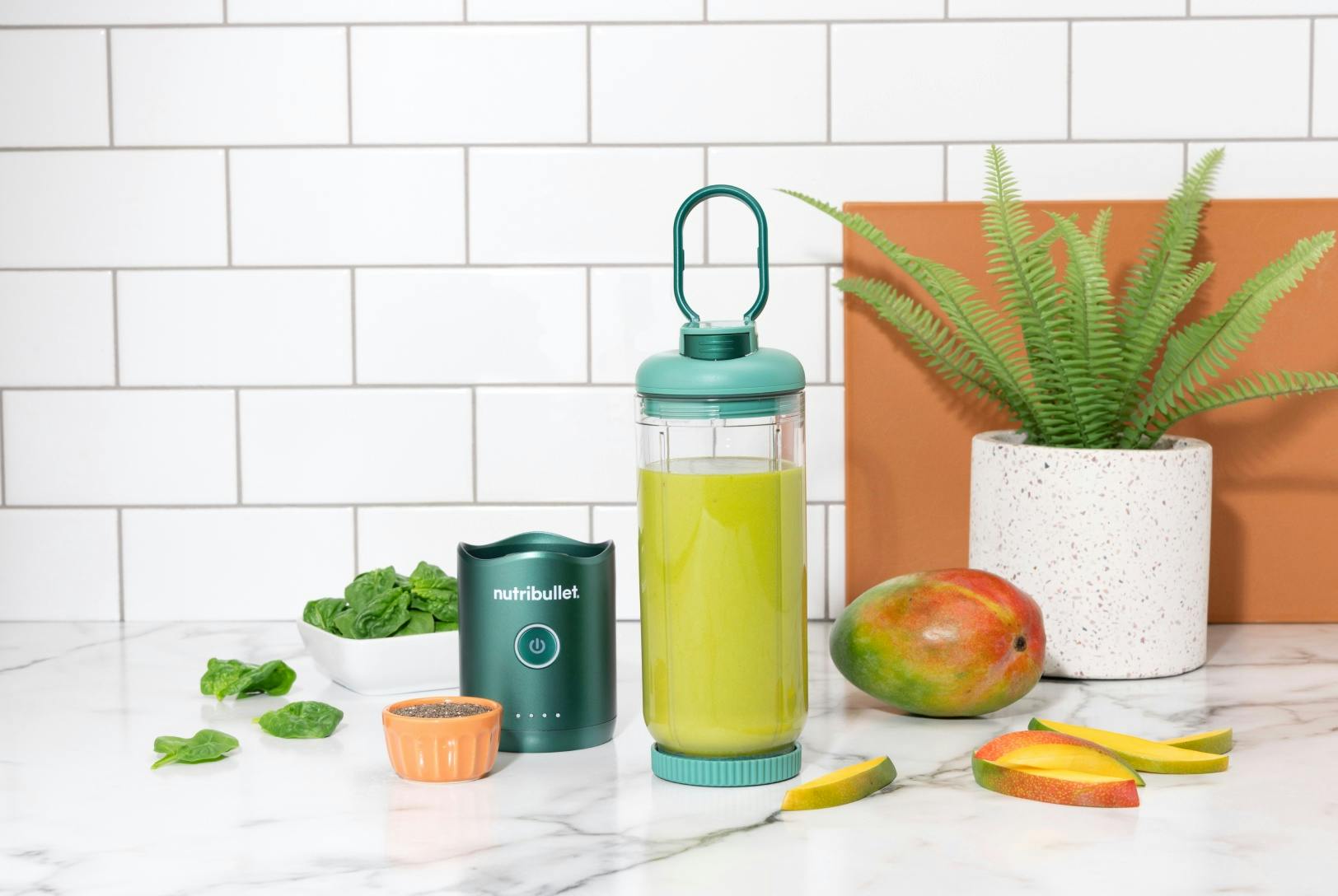
Start your day on a high note with this nutritiously cheerful blend of greens, mango, banana, and chia seeds.