FREE shipping on US orders over $45!
Your cart is empty!
FREE 1-year warranty on all blenders and juicers
More to Consider


Taxes and discounts calculated at checkout.


Free shipping on US orders over $45.
Free 1-year warranty on all blenders and juicers.

FREE shipping on US orders over $45!
FREE 1-year warranty on all blenders and juicers
More to Consider
Taxes and discounts calculated at checkout.
nutribullet
September 2, 2026

nutribullet
Nutrition made easy. At nutribullet, we believe that good nutrition has the power to transform lives. Our products, from our blenders to our blends, make nutrition fun and hassle-free for any lifestyle. So, if you're looking for a simple way to be healthy, we've got you covered.
Yes, you can make gelato with an ice cream maker, even if the appliance isn’t specifically marketed as a gelato maker. The right recipe, a thoroughly chilled base, proper machine preparation, and careful processing are the keys to creating the dense, smooth texture associated with homemade gelato. While different machines use different methods, the goal is the same: freeze and process the base efficiently while creating a smooth, creamy frozen dessert.
Yes. Most home ice cream makers can be used to make gelato, even if they don’t have a dedicated gelato setting.
The recipe and preparation method often matter more than the name printed on the appliance. A freezer-bowl machine, compressor machine, or frozen-container machine can all produce delicious homemade gelato, but each requires a slightly different process.
The biggest factors are starting with the right recipe, thoroughly chilling or freezing the base as required, following the machine’s instructions, and stopping the process when the gelato reaches the intended consistency.
No—but having one can make the process easier.
A dedicated gelato setting, like the one on the nutribullet Chill, is designed specifically for processing gelato and removes some of the guesswork from choosing the right program.
The nutribullet Chill has five preset frozen-dessert programs, including Ice Cream, Sorbet, Gelato, Smoothie Bowl, and Frozen Yogurt.
If your machine doesn’t have a gelato setting, use a recipe formulated specifically for gelato, chill the base completely, and follow your appliance’s instructions. With a traditional churn-style machine, you generally want to stop when the mixture is thick and soft rather than waiting for it to become completely frozen in the machine.
Gelato and ice cream share many of the same ingredients, but they aren’t exactly the same dessert.
Generally, gelato uses more milk and less cream, incorporates less air during processing, and is served somewhat softer than traditional American-style ice cream. Those differences contribute to the dense, silky texture commonly associated with authentic Italian gelato.
| Feature | Gelato | Traditional Ice Cream |
| Milk-to-cream ratio | Typically more milk and less cream | Typically more cream |
| Egg yolks | Optional; depends on recipe | Common in custard-style recipes |
| Air incorporated | Generally less | Generally more |
| Texture | Dense, smooth, silky | Creamy, often lighter |
| Serving consistency | Typically softer | Typically firmer |
These aren’t absolute rules. There are many styles of both gelato and ice cream, and each recipe variation can produce a different result.
The important takeaway is that you shouldn’t simply take an ice cream recipe, remove some cream, and call it gelato. A well-balanced base recipe accounts for milk, cream, sugar, eggs or thickeners (if using), and water, all of which affect how the finished dessert freezes and feels.
You can make gelato with several types of home ice cream makers. The main difference is how the machine freezes and processes the base.
| Machine Type | Advance Freezing | How the Base Is Processed | Main Benefit |
| Freezer-bowl | Bowl must be frozen ahead of time | Churns chilled base inside frozen bowl | Traditional, straightforward method |
| Compressor | No pre-freezing required | Machine freezes and churns simultaneously | Convenient for making multiple batches |
| Frozen-container | Prepared base is frozen in its container | Machine processes the frozen base | Compact, portion-controlled approach |
Whichever machine you use, follow its specific instructions because the freezing and processing technique can differ from one type of appliance to another.
With a freezer-bowl machine, the removable bowl needs to be completely frozen before you begin.
The gelato base should also be thoroughly chilled. Once both are ready, the liquid base is poured into the frozen bowl and churned until it becomes thick and soft.
The machine’s movement helps distribute the freezing mixture and develop the desired consistency.
Compressor ice cream machines have a built-in cooling system, so you don’t need to freeze a bowl in advance.
You can generally add your chilled base and let the machine freeze and churn it at the same time.
Even though a compressor machine doesn’t require a pre-frozen bowl, starting with a cold base is still helpful. A colder mixture can freeze more efficiently and can contribute to a smoother final texture.
Frozen-container machines use a different approach.
Instead of pouring a liquid base directly into a churning bowl, you prepare the mixture in a designated container and freeze it before processing.
The nutribullet Chill uses this type of process. You prepare the dessert base in its 16-ounce Pint Cup, cover it with the storage lid, and freeze it for at least 24 hours before processing.
Because the process is different from a traditional churn-style machine, follow the appliance’s fill line, freezing time, assembly instructions, and program settings rather than adapting instructions from a conventional ice cream maker.

There’s no single “best” gelato base. What you choose depends on the flavor you’re making, how rich you want the finished dessert to be, your dietary preferences, and how much preparation you’re willing to do.
Three common approaches are classic custard-based gelato, Sicilian-style eggless gelato, and dairy-free gelato.
| Gelato Base | Main Ingredients | Best For |
| Classic custard | Milk, sugar, egg yolks | Rich flavors such as vanilla, chocolate, coffee, caramel, and nuts |
| Sicilian-style | Milk, sugar, cornstarch or another thickener | Fruit, vanilla, and delicate flavors |
| Dairy-free | Plant-based milk, sugar, added fat, thickener/stabilizer | Vegan or dairy-free frozen desserts |
A classic custard-style gelato base uses milk, sugar, and egg yolks, sometimes with cream or other flavoring ingredients.
Egg yolks help create a rich, smooth base that works especially well with flavors such as:
If you’re making a cooked custard, it’s important to prepare it carefully and strain it if necessary strain it through a fine mesh strainer if necessary to remove any cooked egg particles before freezing.
Our Vanilla Gelato recipe, for example, uses whole milk, heavy cream, sugar, egg yolks, vanilla, and optional lemon zest. The mixture is blended, gently heated to dissolve the sugar, cooled, blended again, and then frozen for 24 hours before processing on the Gelato setting.
Sicilian-style gelato commonly uses cornstarch instead of egg yolks to thicken the base.
Because it doesn’t rely on egg yolks for richness and color, this style can have a more neutral appearance and flavor profile. That makes it particularly appealing for fruit, vanilla, and other delicate flavors.
It’s also a useful option if you prefer an eggless gelato recipe.
Dairy-free gelato requires a little more care because you can’t necessarily substitute plant-based milk for dairy milk on a one-to-one basis.
Different plant-based milks contain very different amounts of fat, protein, water, and solids. A successful dairy-free gelato recipe may therefore include a combination of nondairy milk, added fat, sugar, and an appropriate thickener or stabilizer.
For the best results, use a dairy-free gelato recipe, like this one for Cooling Strawberry Gelato, rather than simply replacing the dairy ingredients in a traditional recipe.
There’s no universal churning time for gelato.
The time depends on:
Follow your machine’s manufacturer guidance and, when appropriate, pay attention to the texture rather than watching the clock.
With the nutribullet Chill, for example, the frozen base is processed after a 24-hour freeze, and nutribullet says processing takes approximately 3 to 4½ minutes depending on the program.
Properly processed gelato should be thick, smooth, and scoopable, but generally softer than hard-packed ice cream.
With a traditional churn-style machine, you don’t want to keep churning until the mixture becomes completely frozen and solid. The goal is a thick, soft consistency that can be transferred or served according to the recipe.
If you’re using a frozen-container appliance such as the nutribullet Chill, use the dedicated Gelato program and let the machine determine the processing cycle.
Yes, continuing to process a frozen dessert longer than recommended isn’t necessarily better.
Excessive churning can incorporate more air than desired or cause the mixture to become overly firm in the machine.
The safest approach is to follow the tested recipe and appliance instructions and stop once the intended consistency has been reached.

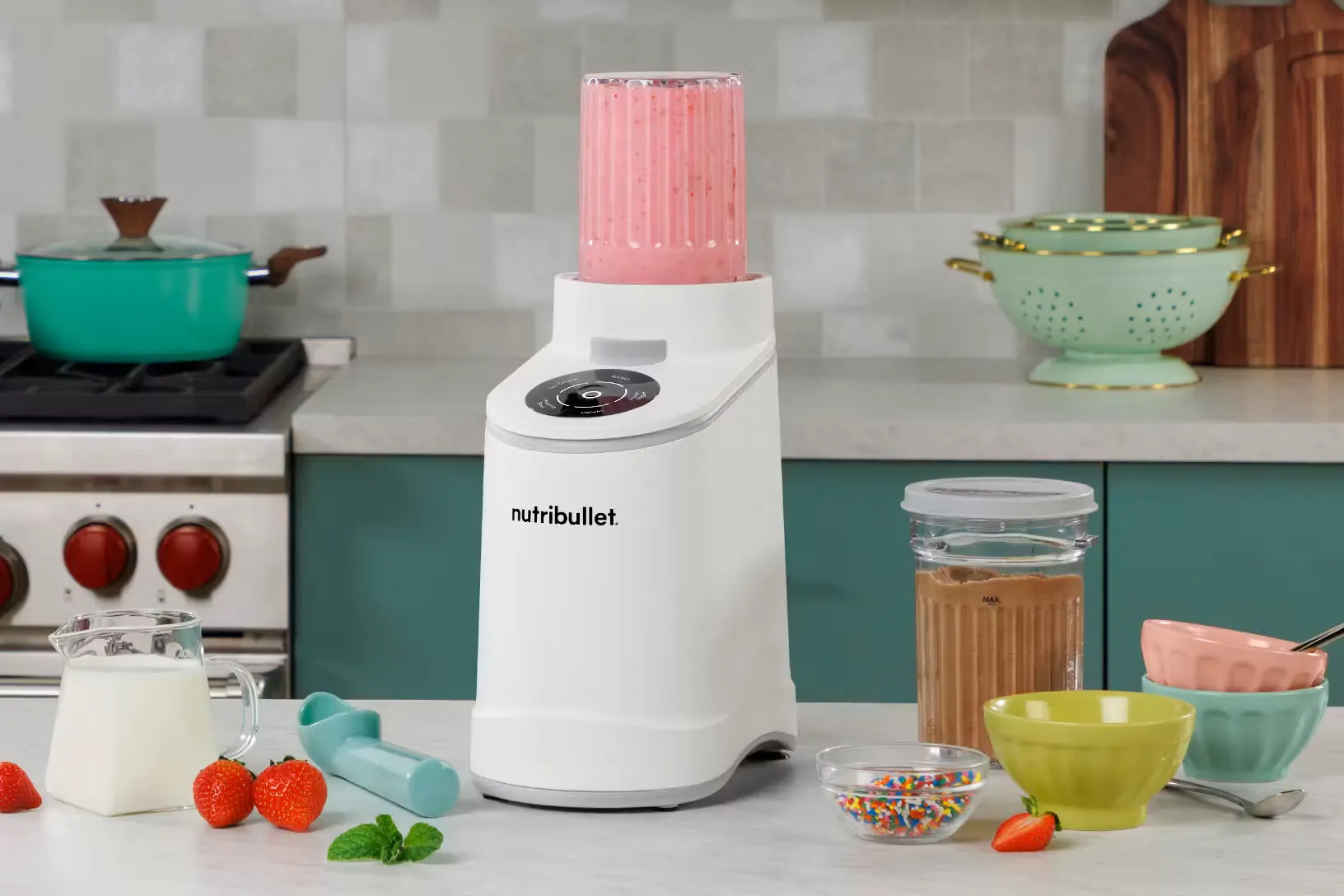
The nutribullet Chill Ice Cream Maker is designed specifically for individual batches of frozen desserts, including gelato.
The process is different from a traditional churn-style machine: you prepare the base, freeze it in a Pint Cup, and then process the frozen mixture using the machine’s dedicated Gelato setting.
Start by preparing your gelato base according to a tested recipe.
The mixture should be smooth and completely cooled before it goes into the Pint Cup.
Pour the prepared base into the Pint Cup, staying within the appliance’s recommended capacity. Cover the cup with its lid and freeze it for at least 24 hours. nutribullet recommends freezing the Pint Cup upright on a level surface.
The 24-hour freeze is important. The Chill is designed to process a fully frozen base rather than a chilled liquid mixture.
Once the base has been frozen for the required time, remove the storage lid and attach the Blade Block.
Place the Pint Cup into the Motor Base and twist it into position.
Select the GELATO setting and press the center Start button. The Chill’s illuminated interface and progress ring allow you to follow the processing cycle.
When the program finishes, release the cup, remove the Blade Block, and check the consistency.
The finished gelato should be smooth, dense, and scoopable. We generally recommend serving your gelato immediately or transferring the finished gelato to the freezer for later.
We recommend adding chocolate pieces, cookie crumbs, nuts, fruit, or other mix-ins after processing rather than putting them into the frozen base before running the machine.
You can also add toppings when serving, such as:
For better homemade gelato, keep these basics in mind:
Temperature is one of the most important variables in frozen desserts.
If you’re using a freezer-bowl machine, make sure the bowl is completely frozen. If you’re using a frozen-container machine, make sure the prepared base has been frozen for the full recommended time.
For the nutribullet Chill, that means freezing the Pint Cup for at least 24 hours before processing.
For cooked gelato bases, allow the mixture to cool completely before freezing it.
Your machine needs enough room to process the frozen dessert properly.
Follow the appliance’s maximum fill line rather than estimating how much mixture you can fit.
For frozen-container machines, the container is part of the processing system, so staying within its intended capacity is particularly important.
Converting an ice cream recipe into gelato requires more than simply reducing the amount of cream.
The balance of:
all affects the final texture.
Start with a tested gelato recipe and experiment with flavor combinations once you understand how the base behaves.
| Problem | Likely Cause | Immediate Fix | Prevention |
| Icy gelato | Warm base, insufficient freezing, excess water, or storage issues | Process correctly; if severely icy, adjust the recipe next time | Fully chill/freeze the base and use a balanced recipe |
| Gritty gelato | Undissolved sugar, poorly cooked custard, or ice crystals | Strain cooked bases; check processing | Dissolve ingredients completely and avoid temperature fluctuations |
| Too hard | Home freezer temperature or recipe composition | Let soften briefly before serving | Use a tested recipe and serve at the appropriate consistency |
| Too soft/runny | Base too warm, insufficient freezing, overfilling, or incorrect ratios | Check freezing and processing requirements | Follow fill lines and freezing times |
| Bland | Insufficient flavoring or an unbalanced recipe | Adjust flavor in the next batch | Start with a tested formula |
| Unevenly processed | Incorrect capacity, assembly, or preparation | Recheck machine instructions | Follow the appliance’s assembly and capacity guidelines |
Icy gelato can result from several problems.
The base may not have been cold enough or the recipe may contain too much water. Poor storage can also allow ice crystals to grow over time.
If the problem is severe, the best troubleshooting approach may be to adjust the recipe or preparation process for the next batch rather than trying to repeatedly reprocess the same dessert.
Homemade gelato stored in a standard home freezer can become firmer than gelato served at a gelato shop.
That’s because commercial gelato is typically held and served at a slightly warmer temperature than a household freezer.
If your gelato is smooth but difficult to scoop, allow it to soften briefly before serving.
Avoid randomly adding more sugar or liquid to the recipe simply because the finished gelato is hard. Those changes can alter the freezing behavior of the entire base.
If gelato is too soft or runny, check whether the base was properly frozen or chilled before processing.
Other potential causes include:
With a frozen-container machine such as the nutribullet Chill, make sure the base has been frozen for the required 24 hours and that you’re using the Gelato program.
Graininess can come from several sources.
In a cooked custard, eggs may have cooked unevenly or the base may not have been strained thoroughly. Undissolved sugar can also create an unpleasant texture.
If the graininess is actually caused by ice crystals, the issue may instead be excessive water, insufficient freezing, or repeated thawing and refreezing.
The best prevention is to prepare the base carefully, strain cooked mixtures when appropriate, freeze the equipment or container completely, and minimize temperature fluctuations during storage.
Even a perfectly processed gelato can lose its smooth texture if it isn’t stored properly.
Use a shallow, airtight, freezer-safe container if you’re transferring the finished gelato for storage. Minimize the amount of air in the container and keep it in a consistently cold area of your freezer.
Avoid storing it in the freezer door, where temperatures can fluctuate more frequently.
If you’re not eating your gelato immediately, transfer it to an airtight freezer-safe container and minimize the time it spends at room temperature.
For the nutribullet Chill recipes, leftovers can be condensed toward the bottom of the Pint Cup, refrozen for 24 hours, and then re-churned on the same program when there is enough mixture to reach the minimum fill line.
Always follow the storage instructions for your particular recipe and appliance.
If your homemade gelato has been sitting in a standard freezer, it may be firmer than the gelato you’re used to ordering at a shop.
Let it sit briefly on the counter before scooping until it reaches a smooth, scoopable consistency.
There’s no single softening time that works for every recipe because freezer temperature, container size, recipe composition, and storage time all affect firmness.
The goal is soft enough to scoop—not melted.

You don’t need a commercial gelato machine to make homemade gelato.
A standard ice cream maker can work beautifully when paired with an appropriate recipe and the correct preparation method. But if you want a more standardized, portion-controlled process, the nutribullet Chill is specifically designed for individual frozen desserts and includes a dedicated Gelato program.
The Chill uses 16-ounce Pint Cups and includes two cups, allowing you to keep another flavor frozen and ready to process. Each batch produces one pint, or roughly two to three servings depending on serving size.
It also offers dedicated programs for ice cream, sorbet, gelato, smoothie bowls, and frozen yogurt.
For home cooks who want to experiment with different frozen desserts without committing to a large batch, that combination can be especially convenient.
If you want to learn how to make homemade gelato, a tested recipe is a reliable way to get you started with consistent results.
The nutribullet Chill recipes collection includes gelato, ice cream, sorbet, frozen yogurt, and smoothie bowl recipes developed specifically for the appliance.
For a delicious starting point, try Mexican Hot Chocolate Gelato, which combines whole milk, cocoa, sugar, vanilla, cinnamon, cayenne, and heavy cream. The recipe takes 24 hours and 15 minutes total, including the required 24-hour freeze, and uses the Chill’s Gelato setting.
For something fruit-forward, Cooling Strawberry Gelato uses strawberries, milk, and sugar for a simple frozen fruit dessert.
You can also try nutribullet’s classic Vanilla Gelato or explore the full nutribullet Chill recipe collection for more flavors.
Starting with a tested recipe establishes the right ingredient proportions, freezing time, serving size, and machine program. Once you’ve mastered the process, you can start experimenting with your own flavors and mix-ins.
So, can you make gelato with an ice cream maker? Absolutely.
You don’t necessarily need a specialized gelato machine. What matters most is starting with a recipe designed for the texture you want, properly chilling or freezing the base, using the correct machine settings, and stopping at the right consistency.
Yes. You can make gelato in a regular ice cream maker as long as you use a recipe designed for gelato and follow the machine’s preparation and processing instructions. The recipe, temperature, and processing method generally matter more than whether the machine is specifically labeled a “gelato maker.”
No. Gelato recipes can vary widely—some use egg yolks for a custard-style base, while others rely on ingredients such as dairy, fruit, or plant-based alternatives to create their desired texture and creaminess.
Yes. Many gelato recipes are made with relatively little cream or without cream entirely. However, don’t simply remove the cream from an ice cream recipe; use a tested cream-free gelato recipe with the appropriate balance of milk, sugar, fat, and other ingredients.
The total time varies by recipe and machine, but the process can be broken down into a few simple steps can be broken down into a simple step-by-step process:
Not automatically. The nutritional profile depends on the specific recipe, ingredients, sugar and fat content, and serving size. Gelato may have a different composition from traditional ice cream, but it isn’t inherently a healthier dessert.
Yes, no-churn frozen desserts are possible. However, they may not achieve exactly the same dense, evenly processed texture as gelato made with a churn or dedicated frozen-dessert appliance.
A standard blender can help prepare a gelato base or make certain frozen desserts, but it doesn’t process frozen gelato in the same way as a dedicated ice cream maker.
If you’re deciding between the two appliances, check out our Ice Cream Maker vs. Blender comparison for a closer look at what each appliance can—and can’t—do.
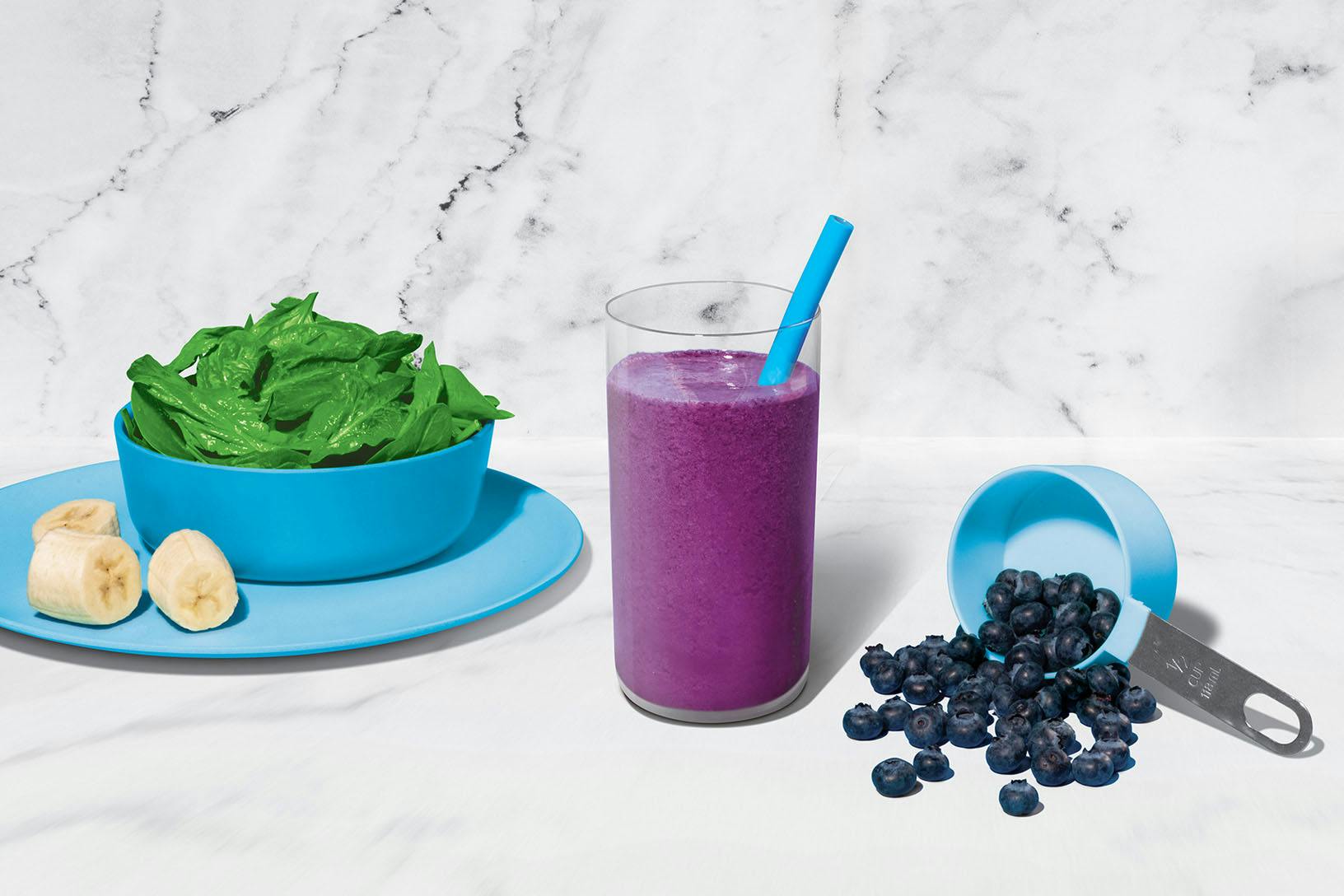
Is there such a thing as a perfect smoothie? This sweet medley certainly makes a strong case. With a classic combination of blueberries, banana, and spinach, this superstar smoothie provides a powerful nutrient boost!
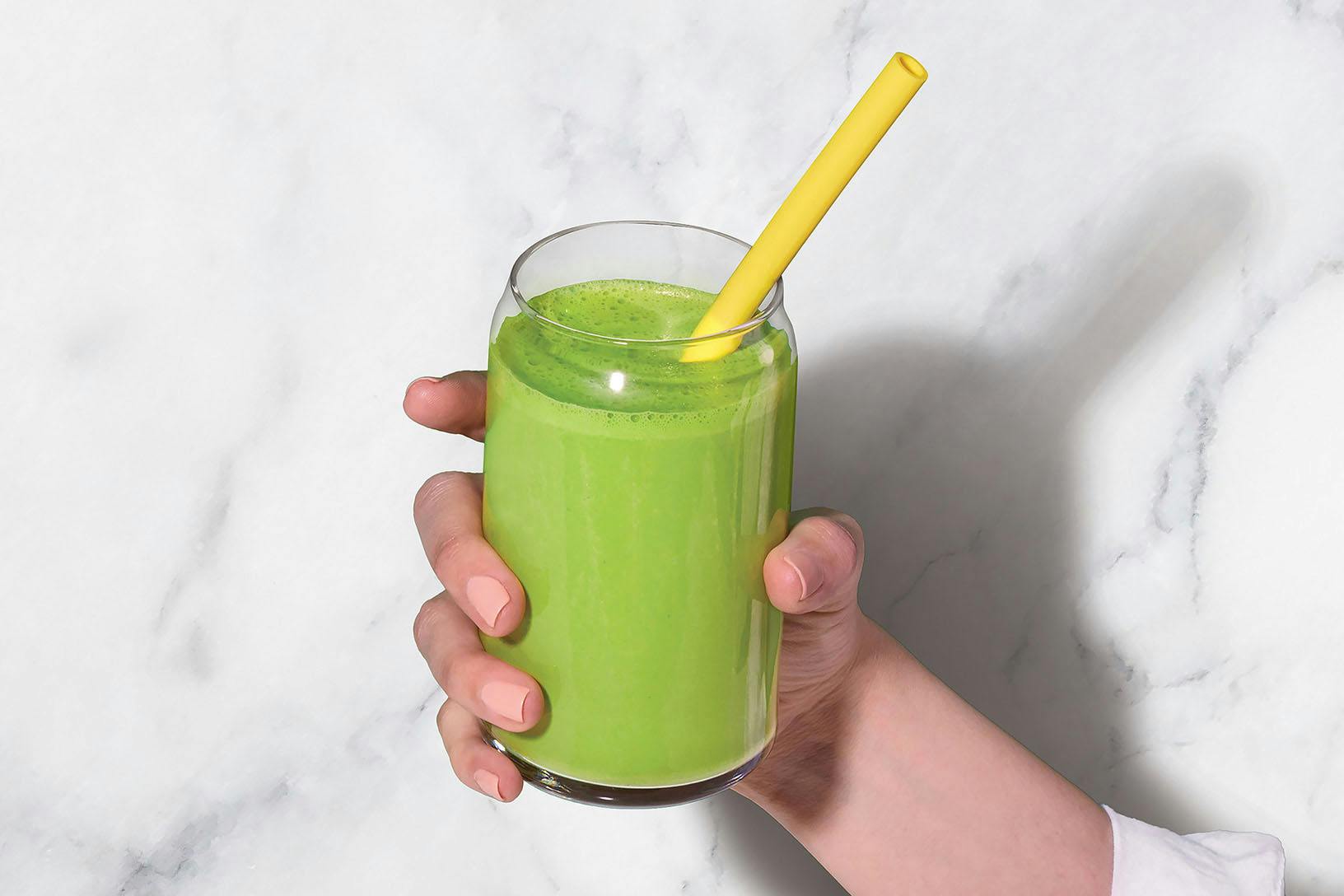
Consider this blend the little black dress of nutribullet smoothies: it never goes out of style. To help keep your energy stable throughout the day, aim to balance your meals and snacks with high-quality protein, healthy fats, and fiber-filled carbs – like this combo of Greek yogurt, peanut butter, fruit, and veggies. There’s a reason this one is always on-trend.
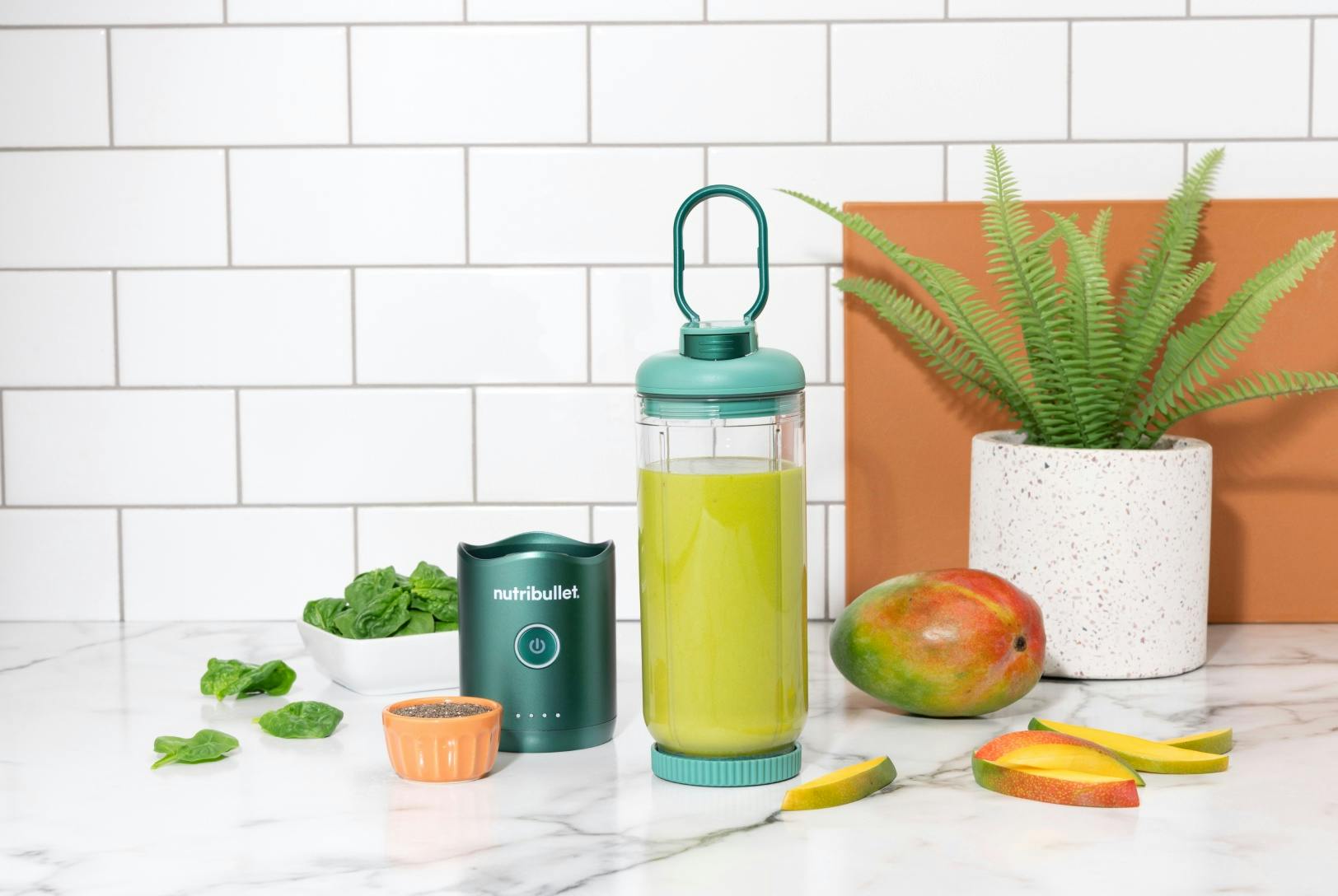
Start your day on a high note with this nutritiously cheerful blend of greens, mango, banana, and chia seeds.