FREE shipping on US orders over $45!
Your cart is empty!
FREE 1-year warranty on all blenders and juicers
More to Consider


Taxes and discounts calculated at checkout.


FREE shipping on US orders over $45!
FREE 1-year warranty on all blenders and juicers
More to Consider
Taxes and discounts calculated at checkout.

McKenzie Jones
November 3, 2025

McKenzie Jones
McKenzie is Registered Dietitian Nutritionist for nutribullet who aims to make the world a healthier, happier place. She believes that living a healthy lifestyle and eating for your health isn't meant to be complicated -- it's meant to be simple, enjoyable, and judgment-free (with room for dessert). When she’s not dishing out nutrition tidbits, you can find McKenzie visiting her local farmers market, hiking her favorite trails with her husband, and chasing after her daughters.
The holiday season kicks off with an entire day dedicated to food, and Thanksgiving is only the beginning. Between the peppermint chocolates lingering in the office, the festive cocktails out with friends, and the buffet line at family gatherings, food is on the forefront of everyone’s mind this time of year.
And no sooner do we polish off a slice of our favorite pie than we’re bombarded with ways to quickly drop the “holiday weight” in the new year. It’s easy to see why navigating holiday eating habits can feel fraught.
For mindful, nourishing holiday eating, here are our top tips, including insight from registered dietitian and intuitive eating expert Willow Jarosh.
If we enter the season with the anticipation of restricting ourselves when it’s over, we’re setting ourselves up for veering out of our hunger and fullness cues and into overeating. The focus on dieting “steals joy from the eating experience and creates stress around the holiday meals,” advises Jarosh. “This pulls us further from being able to listen to our body’s cues regarding what we actually want to eat and how much feels good.”
How many times have you anticipated a large meal and “saved up” all day just to end up wolfing down your plate and feeling overstuffed and uncomfortable? Or, how many times have you been so busy during the day you’ve forgotten breakfast, skipped lunch, and made up for it (and more) at dinner time? On days when you’re expecting an opportunity to enjoy a large holiday meal, aim to eat sensible, well-balanced meals and snacks throughout the day as you normally would.
When you arrive at a holiday dinner or party, make it a priority to eat what you really want first. If you try to “be good” and avoid the cheesy casserole, you’ll most often eat your way around it (first the salad, then the green beans, then the turkey…). Ultimately, you’ll end up eating the cheesy casserole anyway because it’s what you really wanted in the first place. So, eat what you really want. Sit down and intentionally enjoy every delicious bite.
Although food inevitably plays a starring role during the holidays, it doesn’t have to be the central focus of each event. Enjoy a walk with the family to look at the lights or have a game night with your friends. And when it comes to conversations, you can help to shift the focus on that, too. “I recommend my clients make two lists before heading into holiday get-togethers: one of the things they’re interested in or have done (travels, favorite books or shows, classes they are taking, fun pet stories, etc.) and one of non-appearance related things they can say to others,” says Jarosh.
Boundary setting can be challenging, and the holidays give us a good opportunity to hone in on this skill. Remind yourself that it’s okay to decline an invitation if you’re overly tired or to politely set boundaries around comments on your body or food choices. “It’s also okay to say, “No, thank you” if someone makes something special for the meal, but you are full or don’t want to eat it,” affirms Jarosh.
If you feel as though you overdid it one day or one meal, try not to sweat it. Your health is not determined by one meal – it’s the whole picture that counts. Some days, you’re probably going to eat too much. And some days, you may eat too little. It’s all part of life. Each eating experience gives you the opportunity to show yourself some kindness.
What’s in season? For starters: apples, pears, oranges, grapefruit, pomegranates, cranberries, beets, Brussels sprouts, squash (acorn and butternut), sweet potatoes, pumpkin, broccoli, and even garlic. All these delicious fruits and veggies give you a great excuse to turn up your favorite holiday music and get cooking in the kitchen!
In fact, these festive recipes below are the perfect ones for you to try:
Have a happy and healthy holiday!
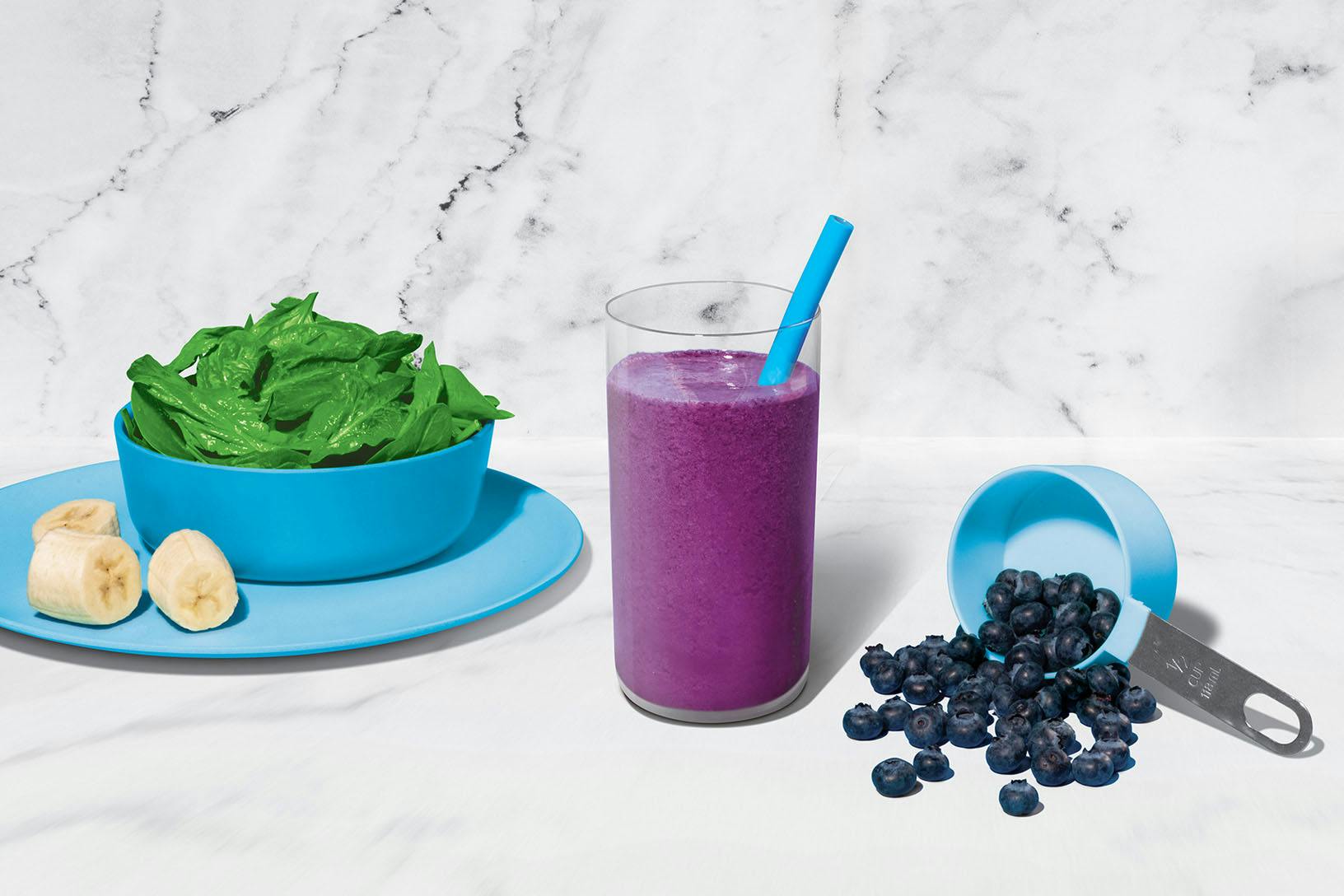
Is there such a thing as a perfect smoothie? This sweet medley certainly makes a strong case. With a classic combination of blueberries, banana, and spinach, this superstar smoothie provides a powerful nutrient boost!
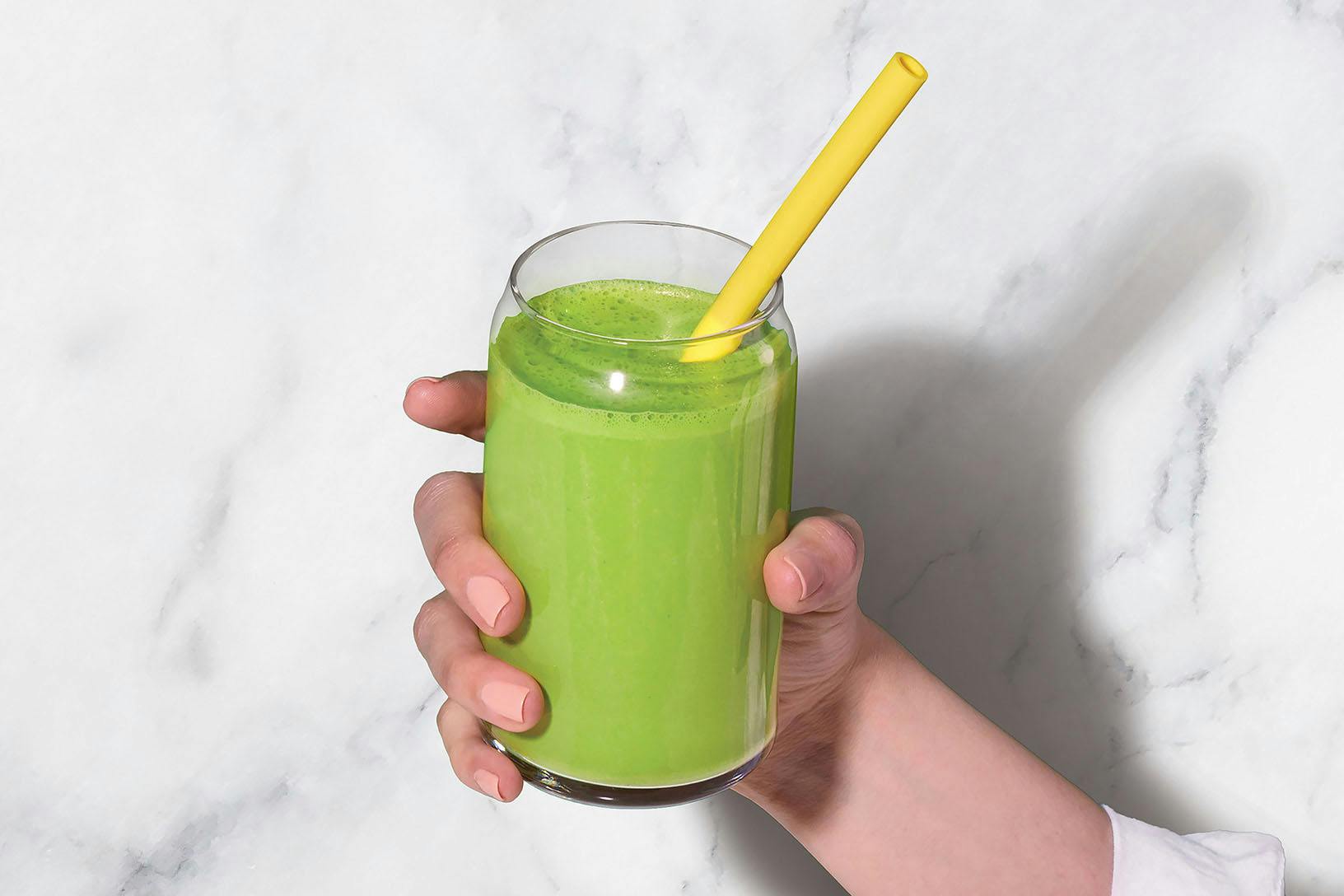
Consider this blend the little black dress of nutribullet smoothies: it never goes out of style. To help keep your energy stable throughout the day, aim to balance your meals and snacks with high-quality protein, healthy fats, and fiber-filled carbs – like this combo of Greek yogurt, peanut butter, fruit, and veggies. There’s a reason this one is always on-trend.
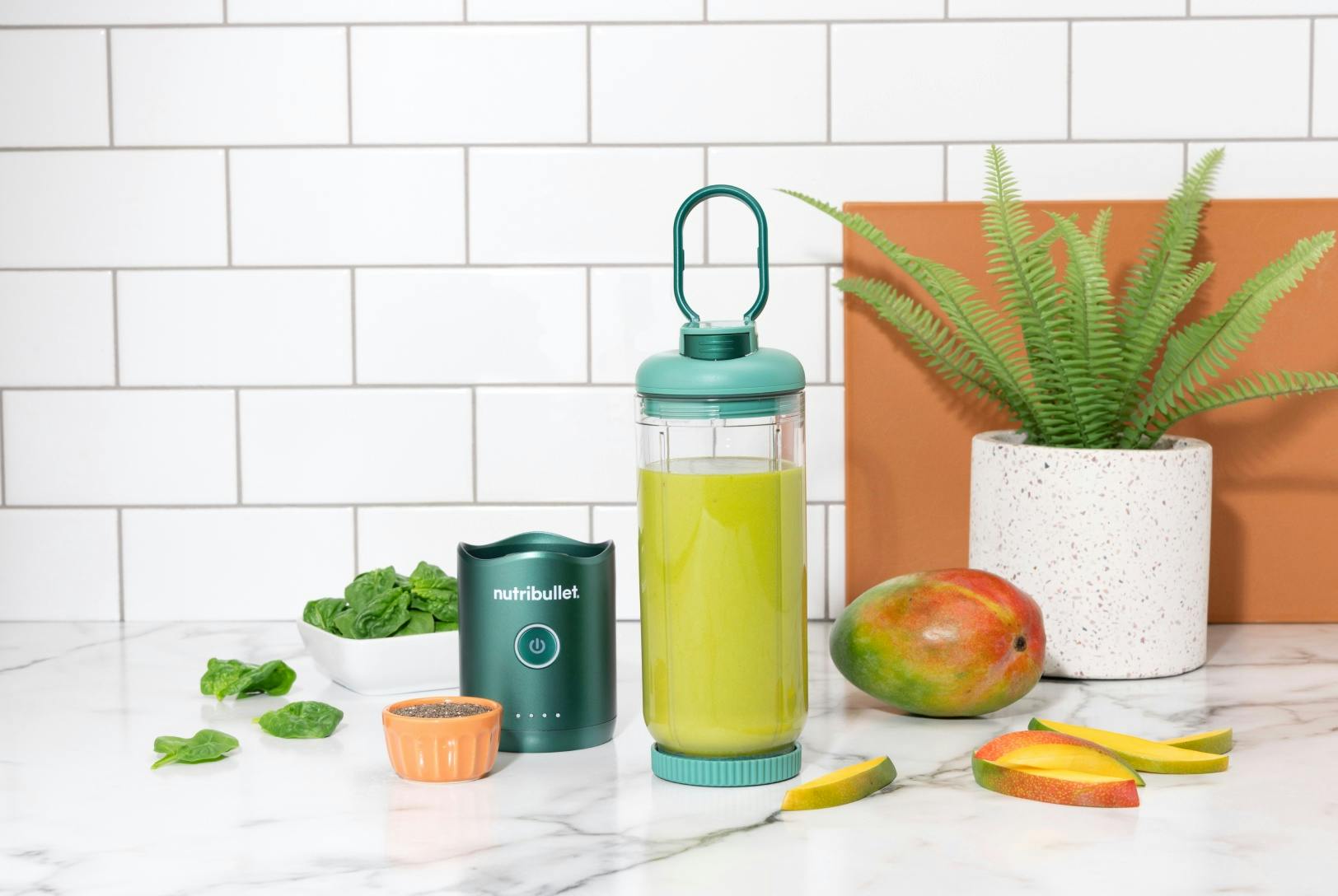
Start your day on a high note with this nutritiously cheerful blend of greens, mango, banana, and chia seeds.