FREE shipping on US orders over $45!
Your cart is empty!
FREE 1-year warranty on all blenders and juicers
More to Consider


Taxes and discounts calculated at checkout.


FREE shipping on US orders over $45!
FREE 1-year warranty on all blenders and juicers
More to Consider
Taxes and discounts calculated at checkout.
Lauren Salter
October 8, 2026

Lauren Salter
As Senior Director of Global Product Development, Lauren plays a major role in guiding research, development, manufacturing, and release for every nutribullet® product. She knows every nutribullet® appliance from the inside out and shares this knowledge as a blog contributor, providing expert insights on what our products do, how they work, and how to use them for maximum benefit in your own kitchen.
So, how long do blenders last? Blenders typically last 5–10 years, although the actual lifespan depends on several factors, including the quality of the appliance, the frequency of use, what you blend, and how well you maintain it.
But age alone isn’t a reason to replace a blender. A blender that’s several years old can still have plenty of life left if it’s safe, reliable, and delivering the results you want. On the other hand, a newer blender that develops a serious safety issue shouldn’t be kept simply because it hasn’t reached a certain age.
The better question is: Is your blender still safe and performing the way it should?
Here’s how to tell the difference between normal wear, a repairable problem, and a blender that’s reached the end of its useful life.
The average lifespan of a blender is around 5–10 years, but there’s a lot of variation within that range.
An inexpensive blender that’s used several times a day may wear out faster than a higher-quality, well-built model that’s used less frequently and maintained carefully. Hard ingredients like large ice or frozen fruit, oversized batches, continuous blending, and other heavy-duty usage can also put more stress on the motor and blade assembly.
That’s why there’s no magic expiration date for a blender.
Instead of replacing yours simply because it’s five, seven, or even 10 years old, pay attention to how it’s performing. If your blender is safe, consistent, leak-free, and still producing the texture you want, there’s no age-based reason to replace it.
Some problems aren’t normal wear and tear—they’re safety concerns.
Stop using the blender and unplug the blender immediately if you notice:
A burning smell isn’t necessarily a sign that your blender is simply old. It can come from an overheated motor, worn motor brushes, damaged seals, electrical problems, or blades that are binding or struggling to turn.
If you notice smoke or sparks, stop using the blender and unplug it rather than continuing to run it.

Not every performance problem means you need an entirely new blender.
Some of the components that wear out first may be replaceable. Depending on the model, a worn blade assembly, gasket, cup, pitcher, or drive coupling may be available separately.
We generally recommend replacing blades for our personal blenders approximately every six months to help maintain smooth blending performance. That means a personal blender that suddenly isn’t blending as smoothly as it used to may not need to be retired. A dull or worn-out blade could be the culprit.
We offer replacement blender parts and accessories for many models, including blades, cups, pitchers, and lids.
The Ultra Rapid Extractor Blade included with the nutribullet Ultra is covered by a five-year limited warranty, subject to the warranty’s terms and conditions.
A blender that stops while blending thick mixtures or heavy loads isn’t necessarily failing.
Many blenders use thermal protection to shut the motor down when it gets too hot. This is a protective feature specifically designed to help prevent motor damage rather than a sign that the appliance has reached the end of its life.
If your blender shuts off, turn it off and let the motor cool completely. Depending on the model and the circumstances, recovery can take up to about 45 minutes.
When you try again:
If the blender works normally after cooling down and adjusting the load, you may not have a replacement problem at all.
There are a few situations where replacing the entire appliance makes more sense than repairing it.
Consider replacing your blender when:
The important thing is that age shouldn’t be the deciding factor. If your blender is working safely and reliably, there’s no reason to replace it just because you’ve owned it for a certain number of years.
A blender’s lifespan comes down to more than the number on the calendar. How you use it, maintain it, and respond to early signs of wear can all significantly impact its longevity.
Most nutribullet® products are backed with a standard one-year limited warranty, with an optional three-year warranty extension available, as well as genuine replacement parts for many models.
So, if your blender isn’t performing quite like it used to, don’t automatically assume it’s time for a new appliance. Check the blade, seals, cup or pitcher, and other replaceable components first. Sometimes a relatively small replacement can bring an older blender back to the performance you expect.
And when you’re shopping for a new appliance, nutribullet® offers a range of blenders, from a compact personal blenders for everyday single-serve blends to a full-size blenders for larger recipes.
The bottom line? Don’t watch the calendar—watch your blender. A safe, well-maintained blender that still performs consistently can keep earning its spot on your kitchen countertop for years. When safety becomes a concern or performance problems become persistent, that’s when it’s time to consider a replacement.
For more ways to extend your blender’s lifespan, explore nutribullet’s blender maintenance tips and guidance and browse genuine replacement blender parts and accessories when a smaller fix is all you need.
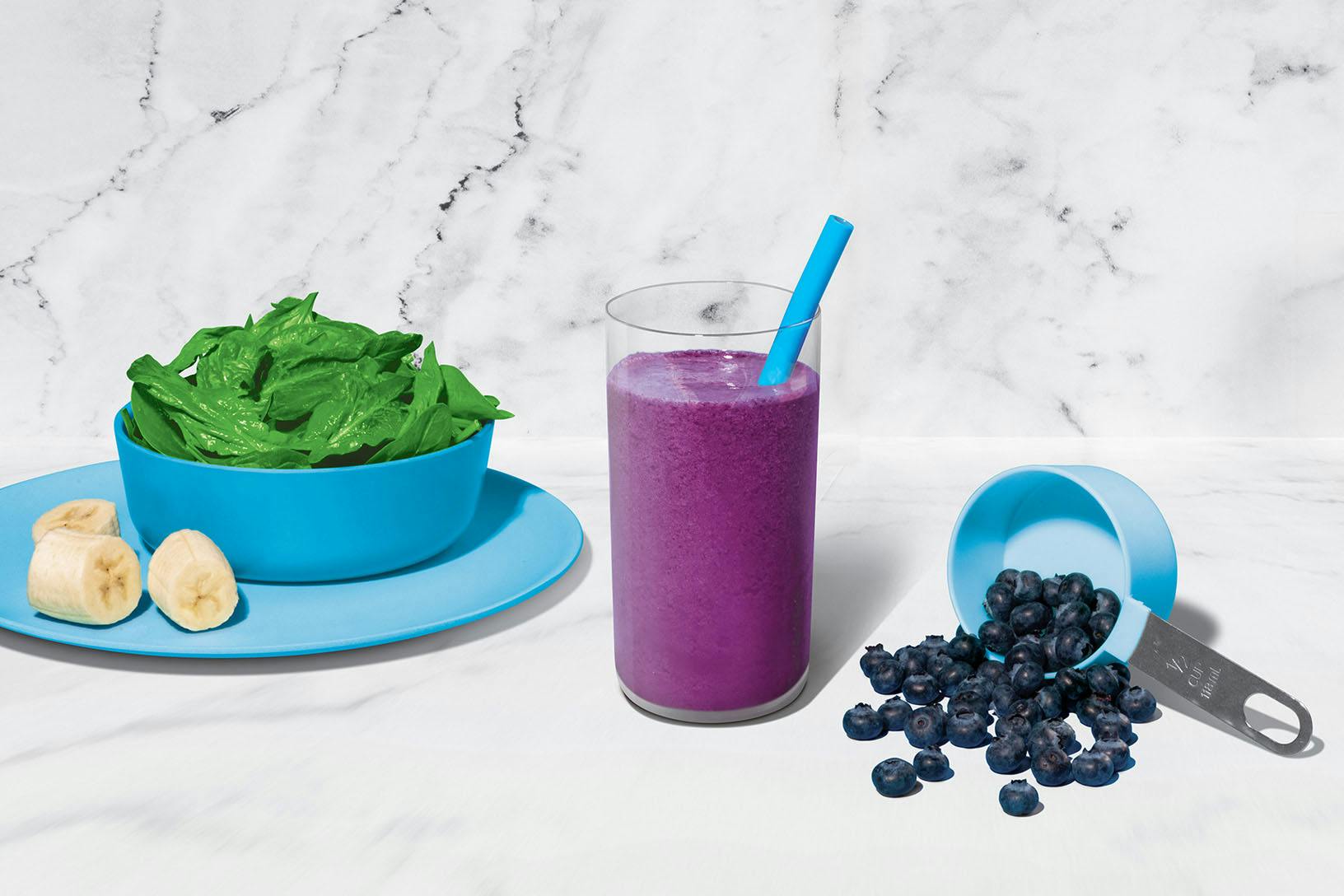
Is there such a thing as a perfect smoothie? This sweet medley certainly makes a strong case. With a classic combination of blueberries, banana, and spinach, this superstar smoothie provides a powerful nutrient boost!
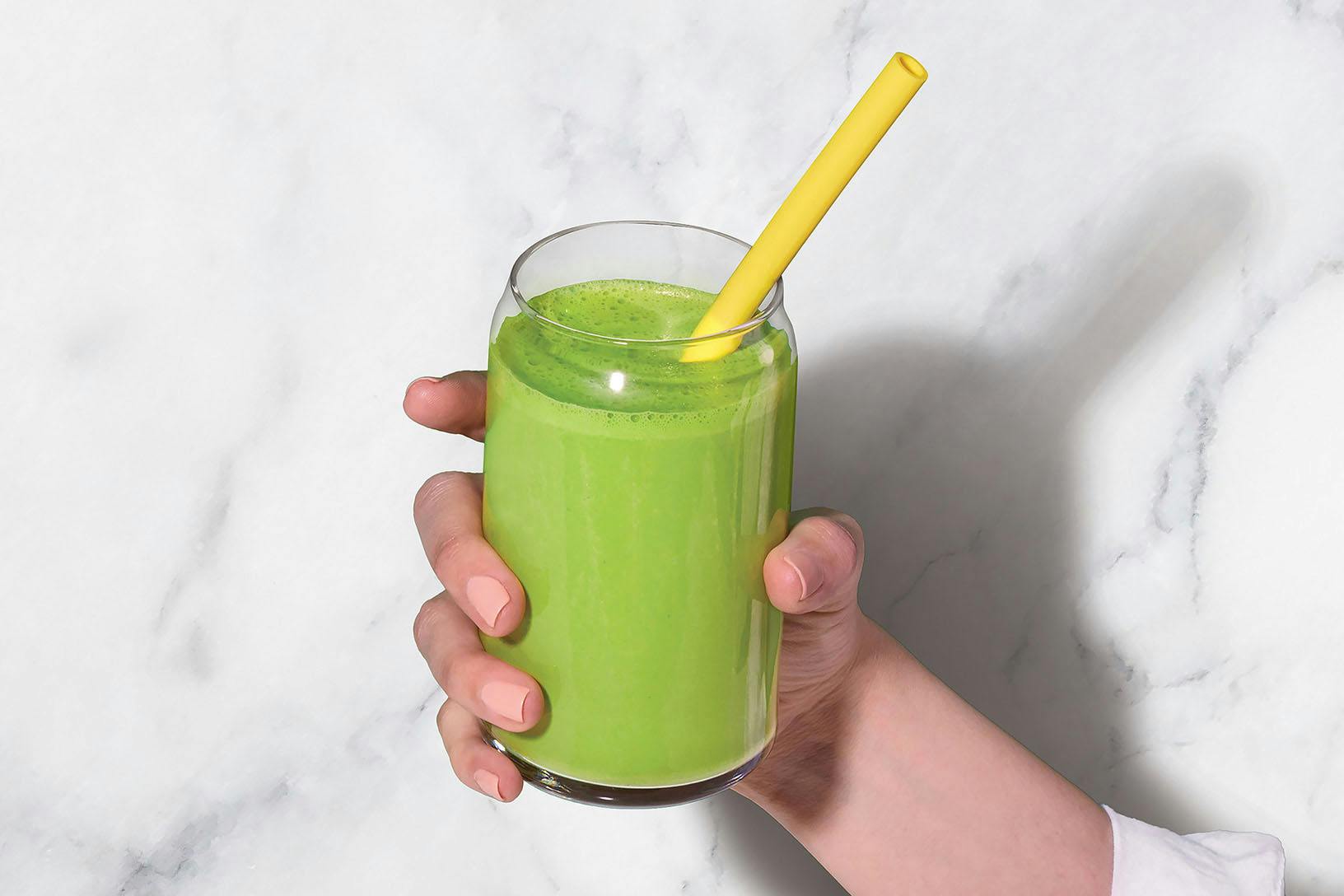
Consider this blend the little black dress of nutribullet smoothies: it never goes out of style. To help keep your energy stable throughout the day, aim to balance your meals and snacks with high-quality protein, healthy fats, and fiber-filled carbs – like this combo of Greek yogurt, peanut butter, fruit, and veggies. There’s a reason this one is always on-trend.
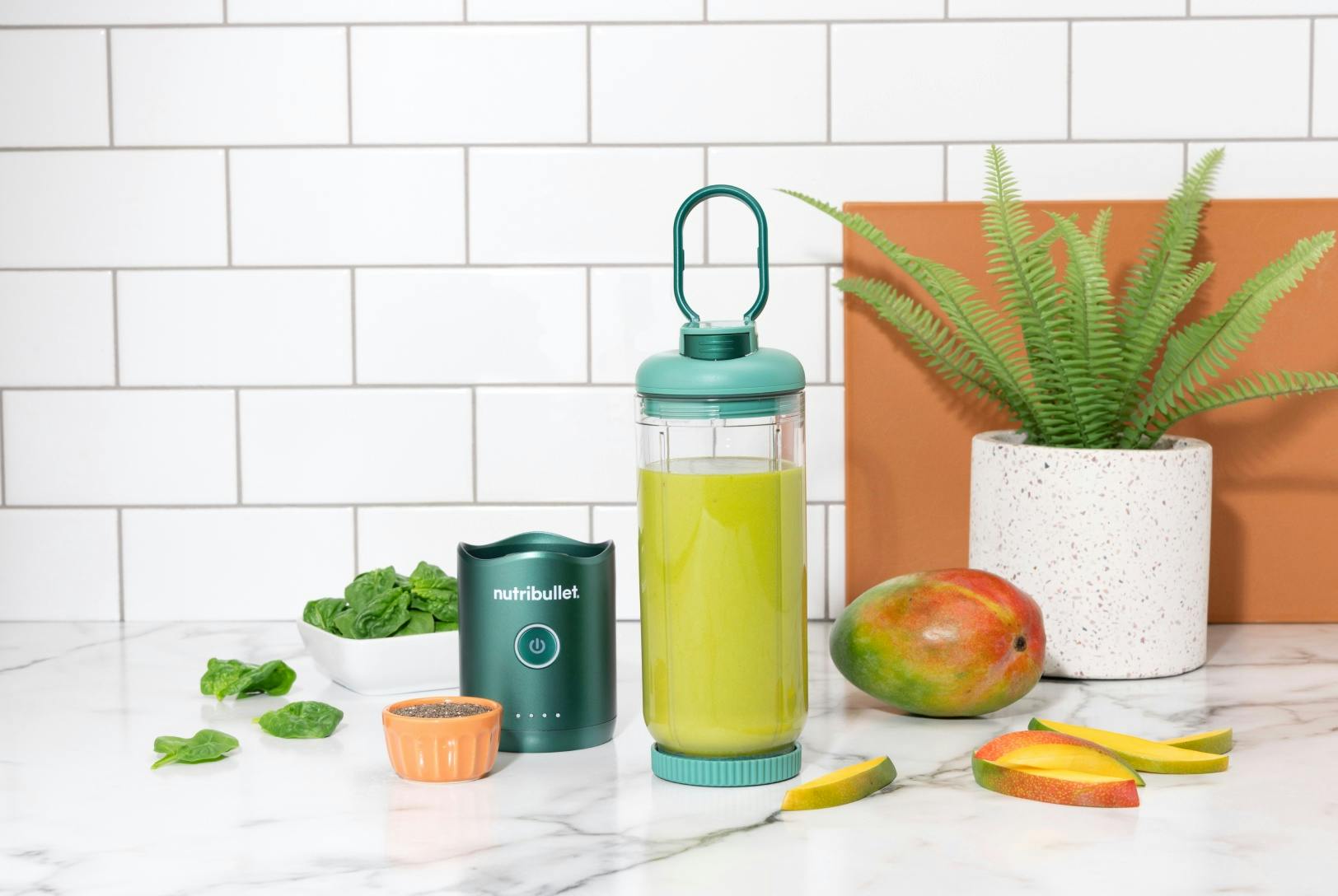
Start your day on a high note with this nutritiously cheerful blend of greens, mango, banana, and chia seeds.