FREE shipping on US orders over $45!
Your cart is empty!
FREE 1-year warranty on all blenders and juicers
More to Consider


Taxes and discounts calculated at checkout.


FREE shipping on US orders over $45!
FREE 1-year warranty on all blenders and juicers
More to Consider
Taxes and discounts calculated at checkout.
Lauren Salter
June 30, 2026

Lauren Salter
As Senior Director of Global Product Development, Lauren plays a major role in guiding research, development, manufacturing, and release for every nutribullet® product. She knows every nutribullet® appliance from the inside out and shares this knowledge as a blog contributor, providing expert insights on what our products do, how they work, and how to use them for maximum benefit in your own kitchen.
Shopping for a blender can feel surprisingly overwhelming. Once you start comparing models, it’s easy to get pulled into a sea of wattage numbers, blade designs, settings, and features. But the truth is, the best blender isn’t necessarily the one with the most power or the longest list of features. It’s the one that fits your routine.
Someone making a quick morning smoothie for one person may need something completely different than someone blending homemade soups, frozen drinks, sauces, or larger family-sized recipes. Before comparing specs, start with how you actually plan to use your blender most often.
The easiest way to narrow down your options is to think about your daily habits. What will you realistically be making in your blender week after week?
If smoothies and protein shakes are your main goal, both personal blenders and full-size blenders can work well.
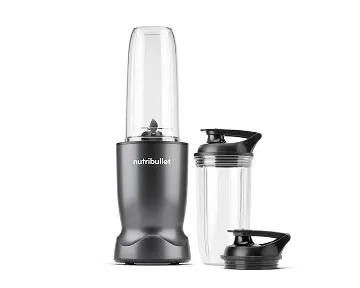
Personal blenders are ideal for quick, single-serving drinks. They’re compact, simple to use, and often let you blend and drink from the same cup.
Full-size blenders work better if you’re making multiple servings or sharing with family members.
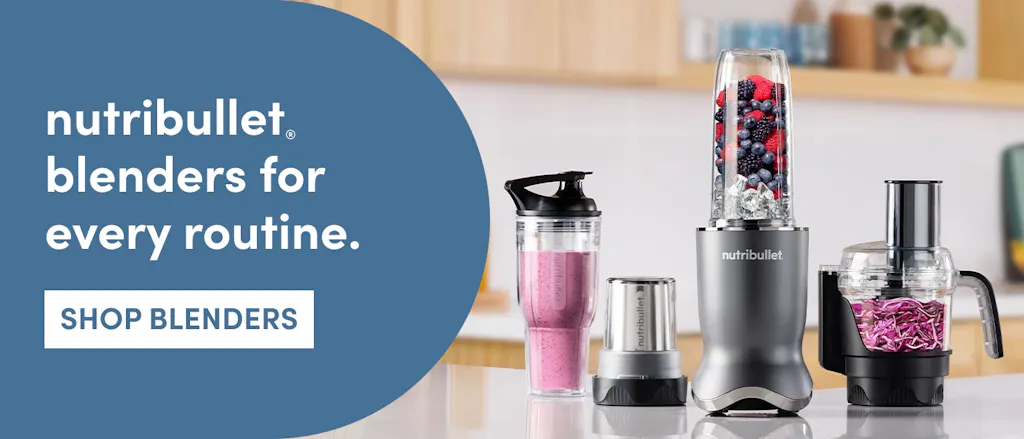
Frozen ingredients can be tougher to blend than many people expect. Ice, frozen fruit, nuts, and thick smoothie bowl ingredients usually require more power and stronger blade systems to process smoothly. If you regularly want to crush ice or make smoothies packed with frozen fruit, having a capable ice-crushing blender like one from nutribullet can make a noticeable difference.
Soups, sauces, and dips can work well with either a full-size blender or an immersion blender.
Full-size blenders are often better for creating smooth, consistent batches of soups or sauces.
Immersion blenders, also known as hand blenders, are convenient when you want to blend directly in a pot or bowl without transferring ingredients. Check out our blog to learn more about the differences between an immersion blender vs traditional blender.
For busy mornings, commuting, office lunches, or post-workout shakes, portability can make a big difference.
Portable and personal blenders are designed for people who want quick blends they can take with them without extra cleanup or transferring ingredients between containers.
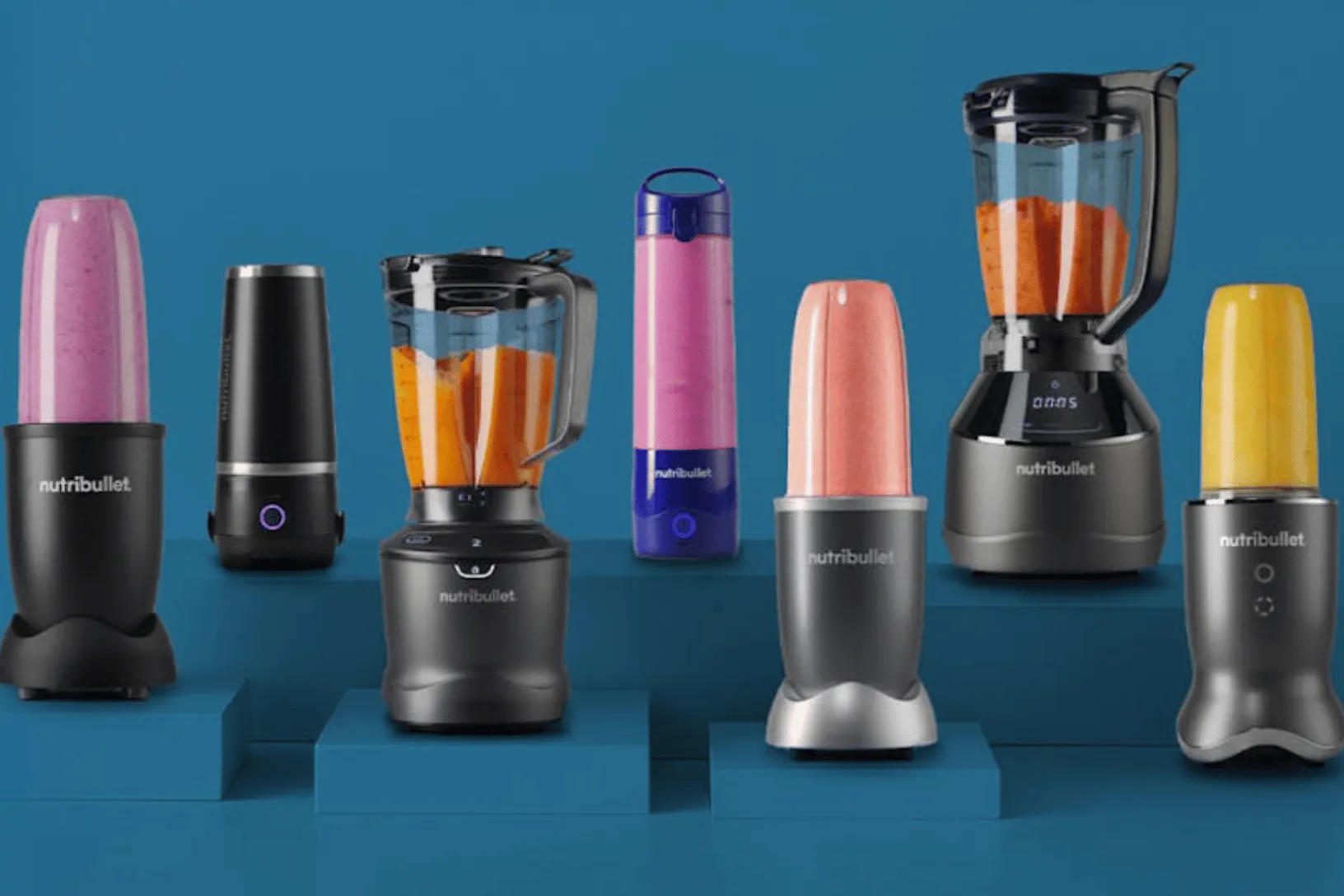
There are different types of blenders available, but understanding the basics makes comparison shopping much easier.

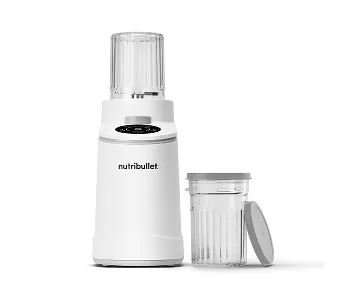
Personal blenders are compact, convenient, and ideal for single-serving smoothies, protein shakes, and smaller servings of dips and spreads.
nutribullet helped popularize the personal blender category and is especially known for creating compact blenders that make quick blending and grab-and-go, healthy routines easy and convenient.

Full-size blenders offer more versatility and capacity. They’re typically better for:
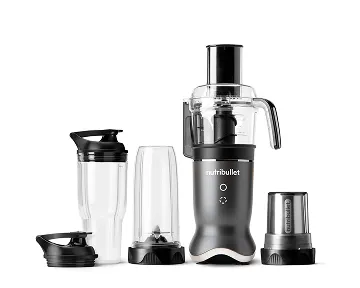
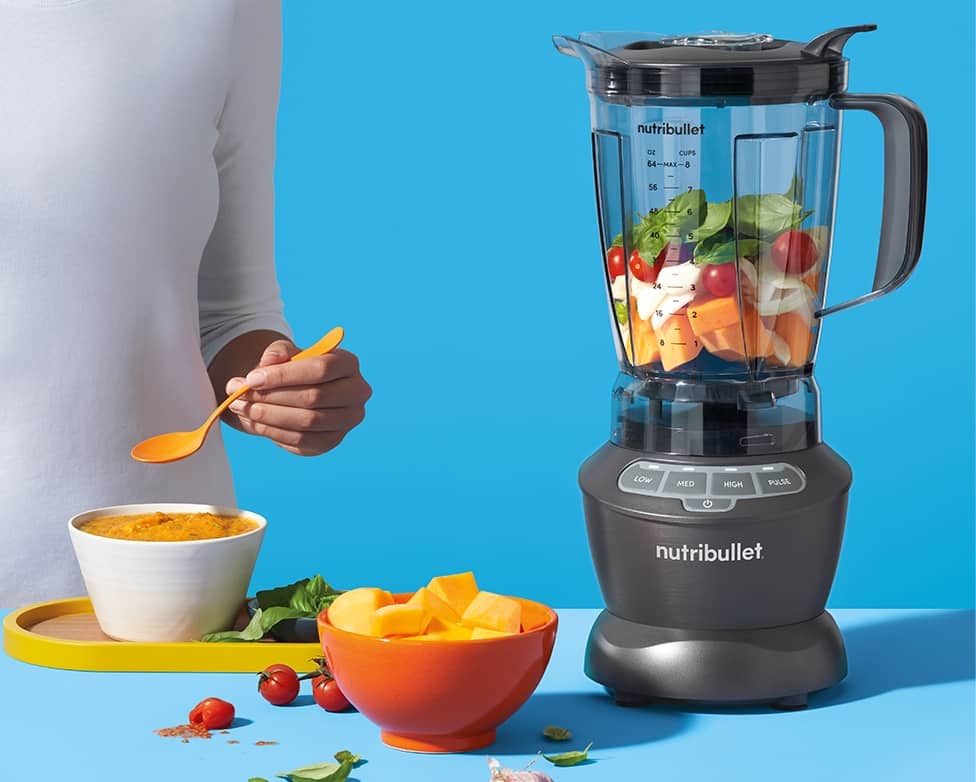
nutribullet’s full-size blenders are built for people who want to do more with their blender, offering larger capacity and versatile performance for everything from family smoothies to soups, sauces, and frozen recipes.
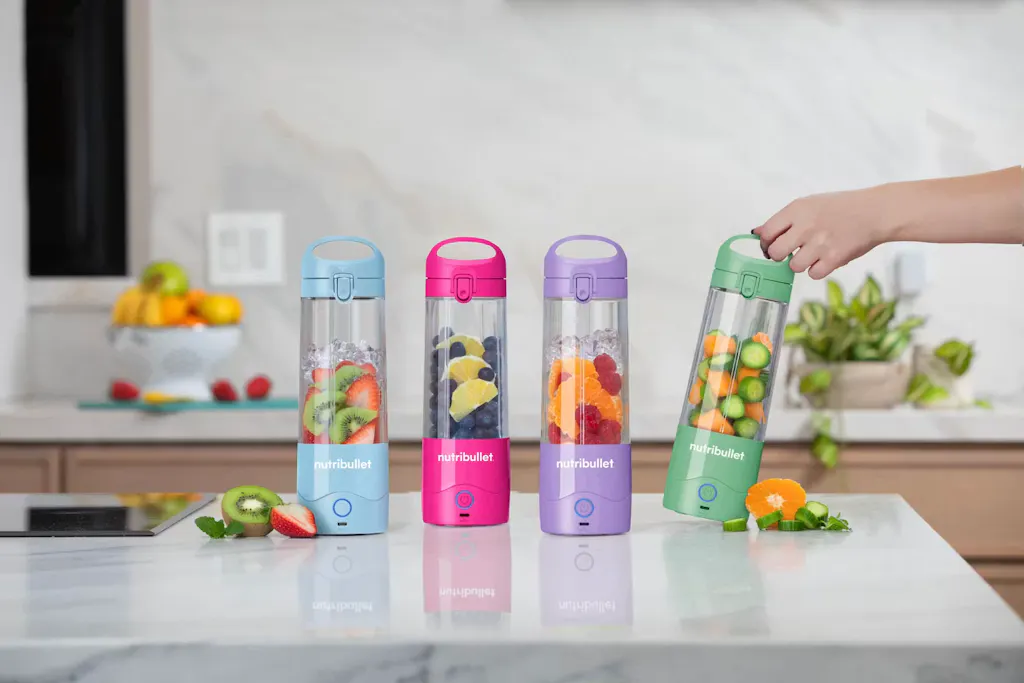
Portable blenders prioritize convenience. They’re designed for travel, offices, gyms, and quick blending away from the kitchen.
nutribullet’s portable blender options are designed for people with active lifestyles who want a convenient way to enjoy smoothies and protein shakes wherever the day takes them.
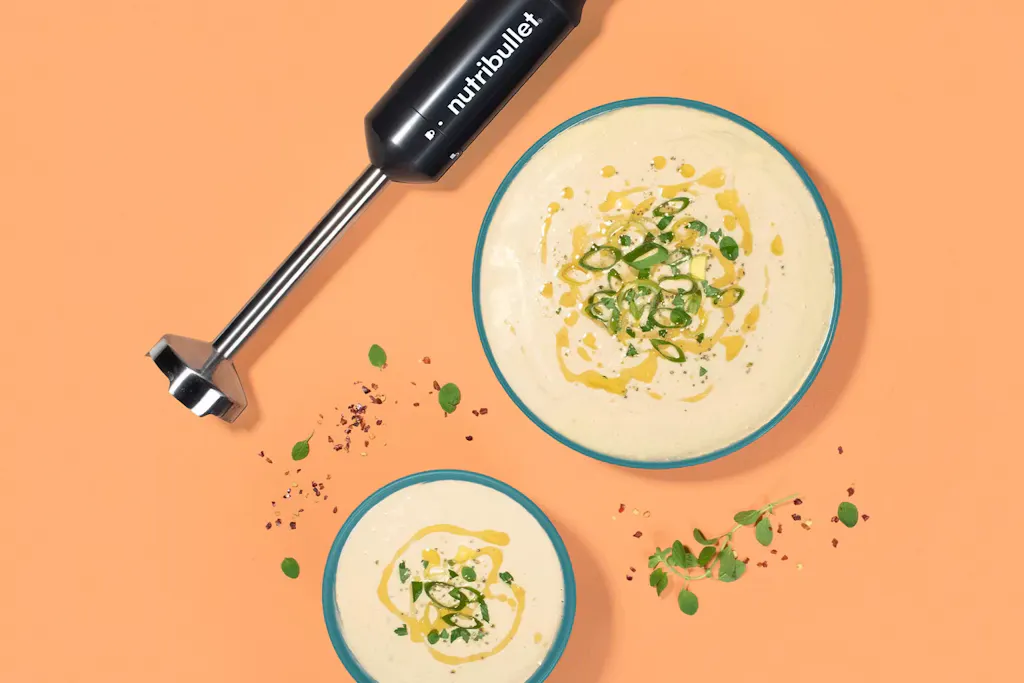
Immersion blenders are handheld tools designed for blending directly in a pot, bowl, or cup.
They’re especially useful for:
nutribullet also offers an immersion blender with a whisk attachment for people looking for a compact tool that works well for everyday cooking tasks.
Countertop and immersion blenders each have their strengths, so the better choice really depends on what you’re cooking most often.
Once you know how you’ll use your blender, these are the features that can help you make a smarter buying decision.
Power matters most when you’re working with tougher ingredients.
Higher wattage can help with:
A powerful blender rated at 900 watts or higher is generally a solid benchmark if your routine includes frozen ingredients, green smoothies, or making nut butters. You don’t necessarily need the highest number available, but if your routine includes frequent frozen ingredients, extra power can make blending easier and more consistent.
Think about how much you’re blending at one time. The size of your blender pitcher or cup system directly affects how much you can blend per session.
Smaller cups work well for:
Larger pitchers make more sense for:
Blade quality and design affect how efficiently ingredients break down. A well-engineered blade helps the blender create a vortex that pulls ingredients down toward the blades, resulting in smoother, more consistent blends.
Strong, durable blades can help create smoother blends and handle tougher ingredients more effectively over time.
More controls can give you more flexibility. Some models offer 5 speeds or more, giving you precise control over texture and consistency. Variable speed settings are particularly useful when working across different recipe types.
Multiple speeds and pulse functions are especially useful for:
If you only make simple smoothies, this may not be essential. But if you like more versatility, additional controls can be helpful.
A blender that feels annoying to clean often gets used less. Knowing how to clean a blender quickly can save you a lot of time.
Look for features like:
Your blender should fit your kitchen—not just your recipe goals. If you have a small kitchen, a countertop model with a smaller footprint or a personal blender may be a more practical fit than a larger unit.
Personal and immersion blenders generally take up less space and store easily.
Full-size blenders may be worth the extra room if you use them frequently or have a larger kitchen setup.
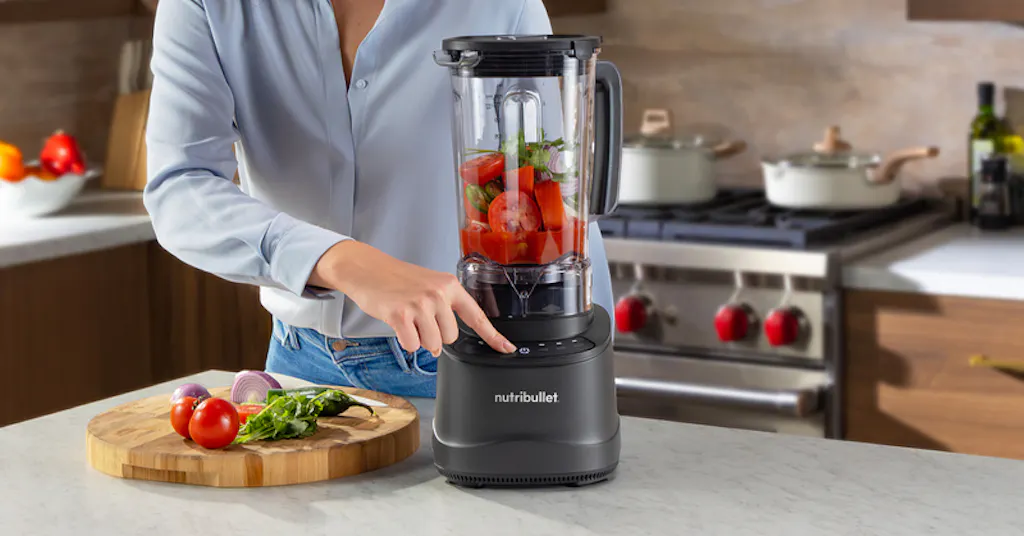
Some features aren’t essential, but they can make everyday use more convenient.
Preset programs automatically adjust time and speed for common recipes like:
They can simplify the process if you prefer a more hands-off experience.
Travel cups can make mornings easier if smoothies or protein shakes are already part of your routine.
Blend, twist on a lid, and head out the door.
Some blender systems include accessories such as:
If you want one appliance to do more, these can add versatility.
Before you buy, ask yourself:
The right blender ultimately comes down to how you blend most often.
nutribullet offers blender options across several categories, including personal, full-size, portable, and immersion blenders, so shoppers can choose based on their everyday needs. Whether you’re looking for a compact personal blender for morning smoothies, a full-size model for larger batches, a portable option for life on the go, or an immersion blender for soups and purees, having the right fit can make daily use easier and more enjoyable.
A good wattage depends on what you plan to blend. Lower wattage can work well for softer ingredients and simple protein shakes, while higher wattage is typically better for frozen fruit, ice, thick smoothies, and tougher ingredients.
A personal blender is usually better for single servings, quick smoothies, salad dressings, and lighter sauces.
A full-size blender is better for large batches, meal prep, soups, sauces, and more versatile blending.
A personal blender works great for everyday single-serving smoothies, while a full-size blender is often better for larger batches.
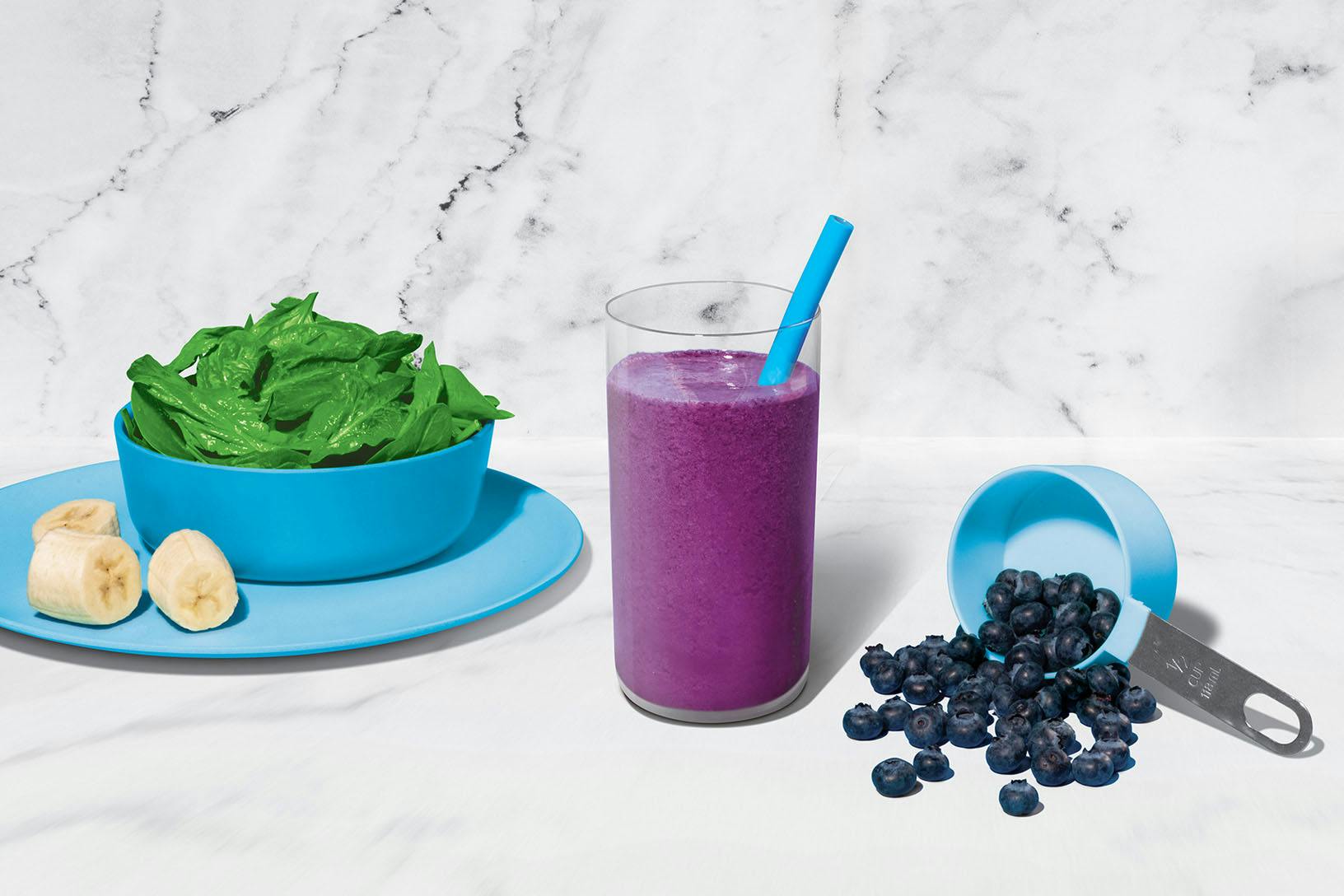
Is there such a thing as a perfect smoothie? This sweet medley certainly makes a strong case. With a classic combination of blueberries, banana, and spinach, this superstar smoothie provides a powerful nutrient boost!
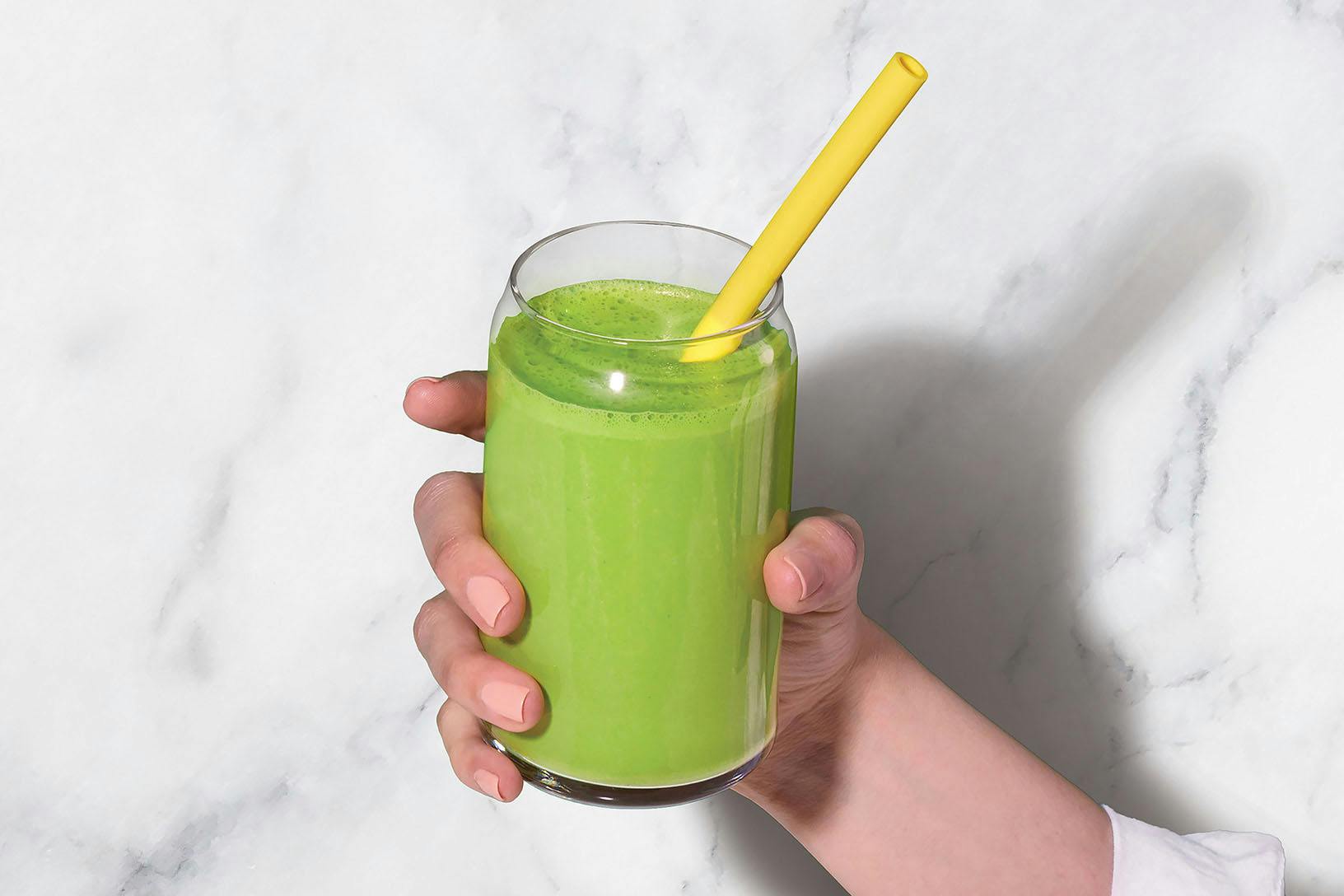
Consider this blend the little black dress of nutribullet smoothies: it never goes out of style. To help keep your energy stable throughout the day, aim to balance your meals and snacks with high-quality protein, healthy fats, and fiber-filled carbs – like this combo of Greek yogurt, peanut butter, fruit, and veggies. There’s a reason this one is always on-trend.
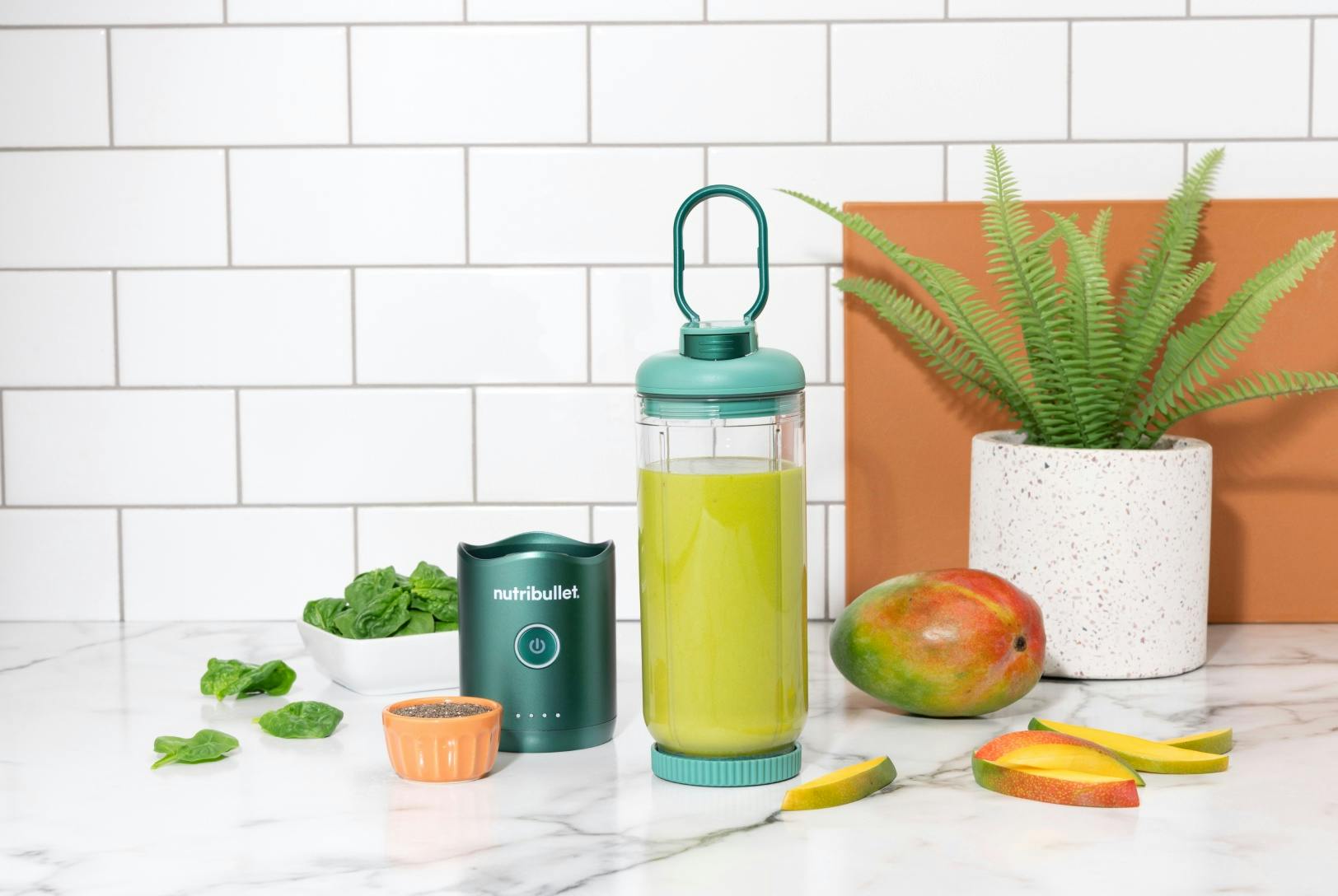
Start your day on a high note with this nutritiously cheerful blend of greens, mango, banana, and chia seeds.