FREE shipping on US orders over $45!
Your cart is empty!
FREE 1-year warranty on all blenders and juicers
More to Consider


Taxes and discounts calculated at checkout.


FREE shipping on US orders over $45!
FREE 1-year warranty on all blenders and juicers
More to Consider
Taxes and discounts calculated at checkout.
nutribullet
October 8, 2026

nutribullet
Nutrition made easy. At nutribullet, we believe that good nutrition has the power to transform lives. Our products, from our blenders to our blends, make nutrition fun and hassle-free for any lifestyle. So, if you're looking for a simple way to be healthy, we've got you covered.
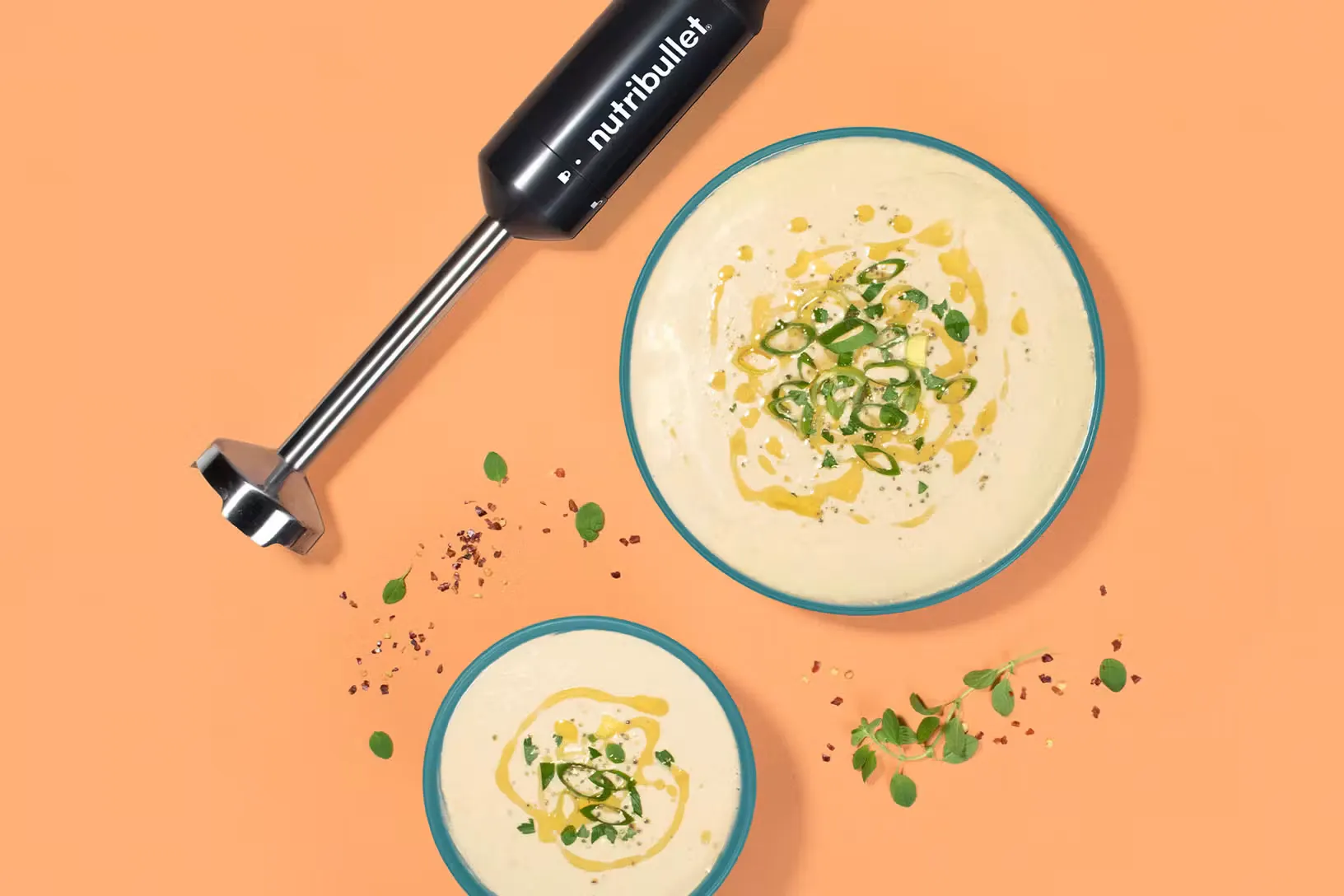
An immersion blender, also called a hand blender or stick blender, can do much more than blend a smoothie. This compact kitchen tool can puree, emulsify, whip, and blend directly in the pot, bowl, or cup you’re already using, making it a fast, low-cleanup alternative to a countertop blender for many everyday tasks.
If you already use an immersion blender, you may be surprised by how many jobs it can handle. And if you’re considering buying one, learn what an immersion blender is used for beyond soup and smoothies to get even more use out of it.

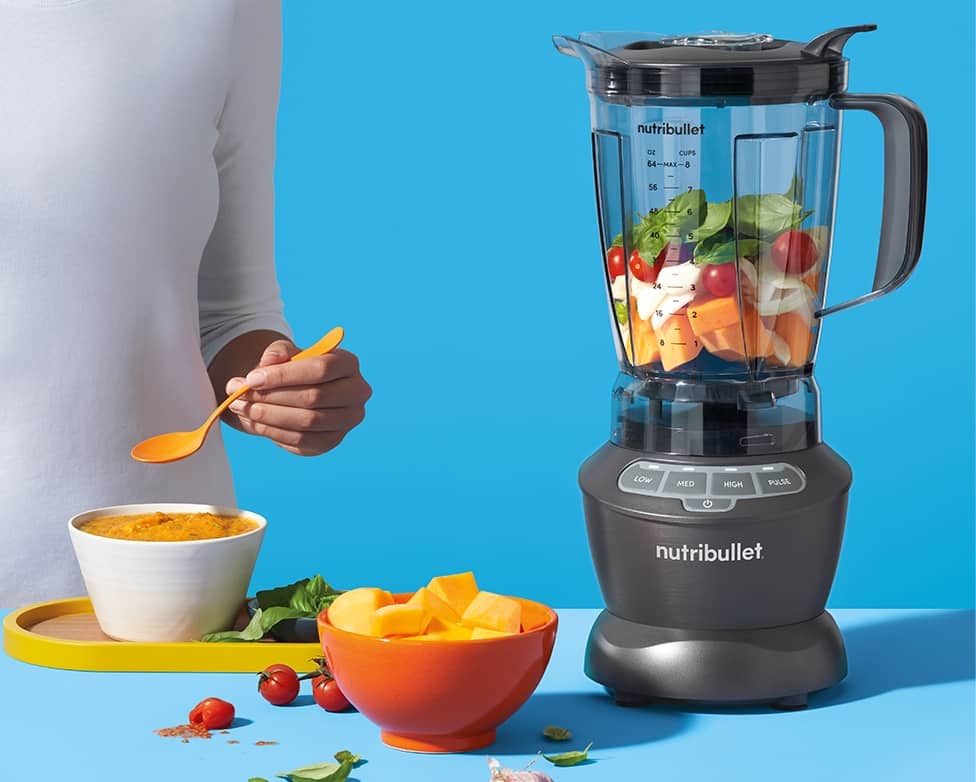
One of the most useful immersion blender uses is pureeing soup right in the pot. Instead of carefully transferring hot soup to a countertop blender in batches, you can blend it where it was cooked.
You can also control the texture. Blend longer for a silky-smooth soup or pulse briefly to leave some veggies and other ingredients intact for a heartier consistency.
Safety tip: Remove the pot from the heat and allow the soup to cool slightly before blending. Keep the blending head fully immersed while the blender is running to help prevent splashing.
For a quick, single-serve smoothie, an immersion blender can be a convenient alternative to pulling out a full-size blender. Blend directly in a nutribullet® Cup and you’ll have less equipment to wash afterward.
It’s also an easy way to add ingredients such as spinach or other leafy greens, chia seeds, or ground flaxseed to your smoothie.
For smoothies that regularly contain ice or frozen fruit, however, use a personal blender for the smoothest, most consistent results. An immersion blender is better suited for smaller batches and lighter smoothies with softer or fresh ingredients. For more, check out our in-depth article on the regular blender vs. an immersion blender.

Oil and vinegar don’t naturally stay mixed, but an immersion blender can quickly bring them together into a smooth emulsion.
Try it for homemade vinaigrettes, chicken marinades, or creamy salad dressings. You can customize the flavor with different oils, vinegars, citrus juices, herbs, mustard, garlic, and spices.Homemade dressings can also feel like an elevated alternative to store-bought versions, giving you fresher flavors and more control over the ingredients.
It’s a simple way to make a fresh, flavorful dressing in minutes instead of reaching for a bottle from the refrigerator.
Homemade mayonnaise might sound complicated, but an immersion blender makes the process surprisingly quick. Use the blending blade or whisk attachment to combine your ingredients into a creamy emulsion.
Once you’ve made a basic mayo, you can customize it with garlic for aioli, sriracha for a spicy spread, herbs for sandwiches, or other seasonings for dips and sauces.
It’s one of those simple immersion blender uses that can turn a handful of everyday ingredients into something that feels a little more special.
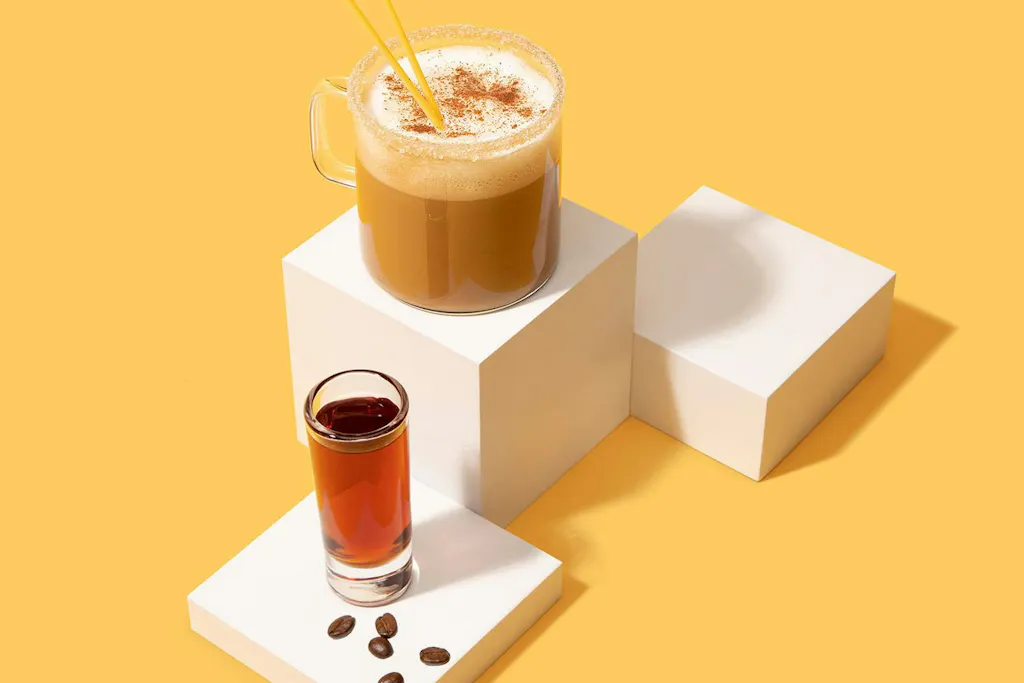
Here’s one job to leave to a dedicated appliance: grinding hard, dry ingredients.
Not every immersion blender is designed to grind coffee beans or whole spices, and attempting to do so can produce uneven results. For a consistent grind, a purpose-built grinder is the better choice.
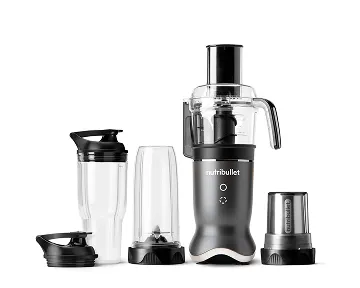
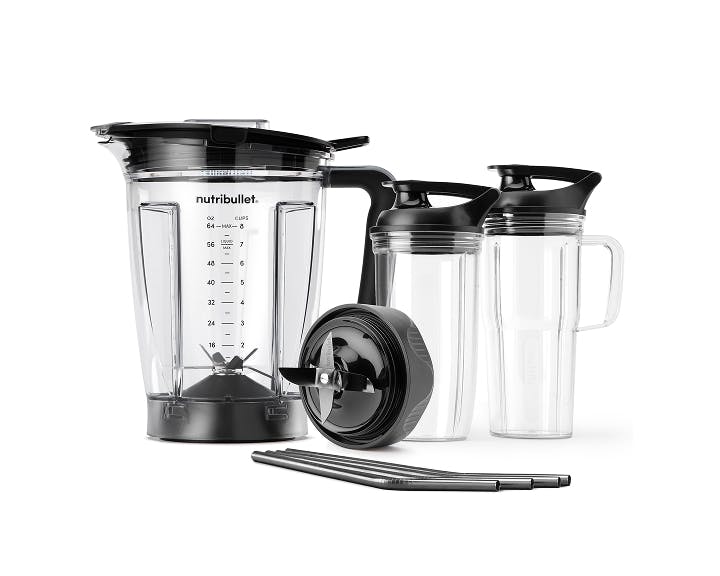
The nutribullet coffee and spice grinder as part of the nutribullet® Ultra Plus+ Compact Kitchen System is designed specifically for these ingredients, making it useful for everything from freshly ground coffee to whole spices.
An immersion blender can give homemade jams and chutneys the texture you want without transferring cooked fruit to another appliance.
Simmer your fruit until tender, then blend it directly in the pot. Berries are an easy starting point, while cranberries and pears can work beautifully in seasonal jams and chutneys.
Blend briefly for a chunkier texture or longer for a smoother result.
Making homemade baby food can be as simple as cooking ingredients until they’re tender and then blending them to the desired consistency.
An immersion blender can puree steamed fruits, vegetables, and tender cooked meats while giving you control over the final texture. Add more or less liquid depending on whether you want a thicker puree or a smoother consistency.
Because you’re blending directly in your cooking container, there’s also less equipment to clean afterward.
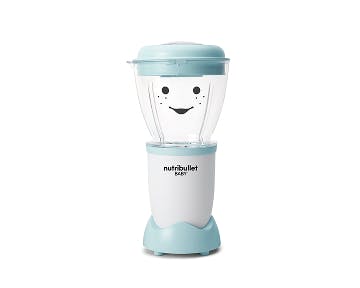
Making baby food regularly? Explore nutribullet Baby® food makers, designed to take the steaming and pureeing work off your plate so you can enjoy mealtime together.
An immersion blender can make quick work of avocado when you’re making guacamole or another creamy dip.
For chunky guacamole, blend briefly and stop while pieces of avocado remain. Blend for longer if you prefer a smoother texture.
The same approach can work for other dips, including bean dips, pesto, salsa, roasted vegetable dips, and creamy spreads. Just be careful not to overblend ingredients when texture is part of the dish.
Compound butter is an easy way to add flavor to everyday meals, and an immersion blender can help combine softened butter with your favorite mix-ins.
Try blending butter with finely chopped fresh herbs, citrus zest, honey, garlic, or spices. Once combined, compound butter is delicious on grilled meats, seafood, vegetables, or a baked potato.
It’s a small kitchen upgrade that can make a simple meal feel restaurant-worthy.
An immersion blender becomes even more versatile when it has a whisk attachment.
The whisk attachment on the nutribullet Lite™ immersion blender is designed for light mixing and incorporating air, making it useful for whipping heavy cream and egg whites. Try it for whipped cream, meringue, soufflé recipes, or angel-food-style desserts.
For best results, use a tall, narrow container and keep the whisk submerged before turning it on. This helps minimize splattering as you begin mixing.
Keep in mind that the whisk is designed for light mixtures—not heavy batters or dense doughs.

The whisk attachment can also handle a variety of light batters and sauces.
Use it for small batches of pancake, crepe, waffle, or cake batter, or for sauces that benefit from consistent stirring, such as cheese sauce, gravy, custard, or hollandaise.
Whole eggs are another easy task. Whisk them for scrambled eggs, omelets, or frittatas.
The key is to think light and small-batch. An immersion blender whisk isn’t intended to replace a stand mixer for thick mixtures or dense doughs.
Want to make your morning coffee feel a little more special? Use the whisk attachment to froth milk for lattes, cappuccinos, matcha, or hot cocoa.
As milk froths, its volume increases, so don’t fill your container more than halfway. A tall container also gives the milk room to expand while helping contain any splashes.
It’s a simple use for the whisk attachment that can turn an everyday drink into a coffee-shop-style treat.
One appliance rarely does everything—and that’s okay. The trick is choosing the right tool for the job.
The nutribullet Lite Immersion Blender, with both its blending arm and whisk attachment, can handle many of the everyday tasks on this list, including soups, sauces, dips, purees, whipped cream, light batters, and more.
For smoothies made regularly with ice or frozen fruit, a nutribullet personal blender is the better fit. And when you’re working with coffee beans or whole spices, reach for the purpose-built nutribullet coffee and spice grinder, compatible with the Ultra Plus+.
The right appliance can make everyday cooking faster, easier, and a little more enjoyable. Explore the full range of nutribullet blenders to find the tools that fit the way you cook—or take a closer look at the nutribullet Lite Immersion Blender to see just how much one compact tool can do.
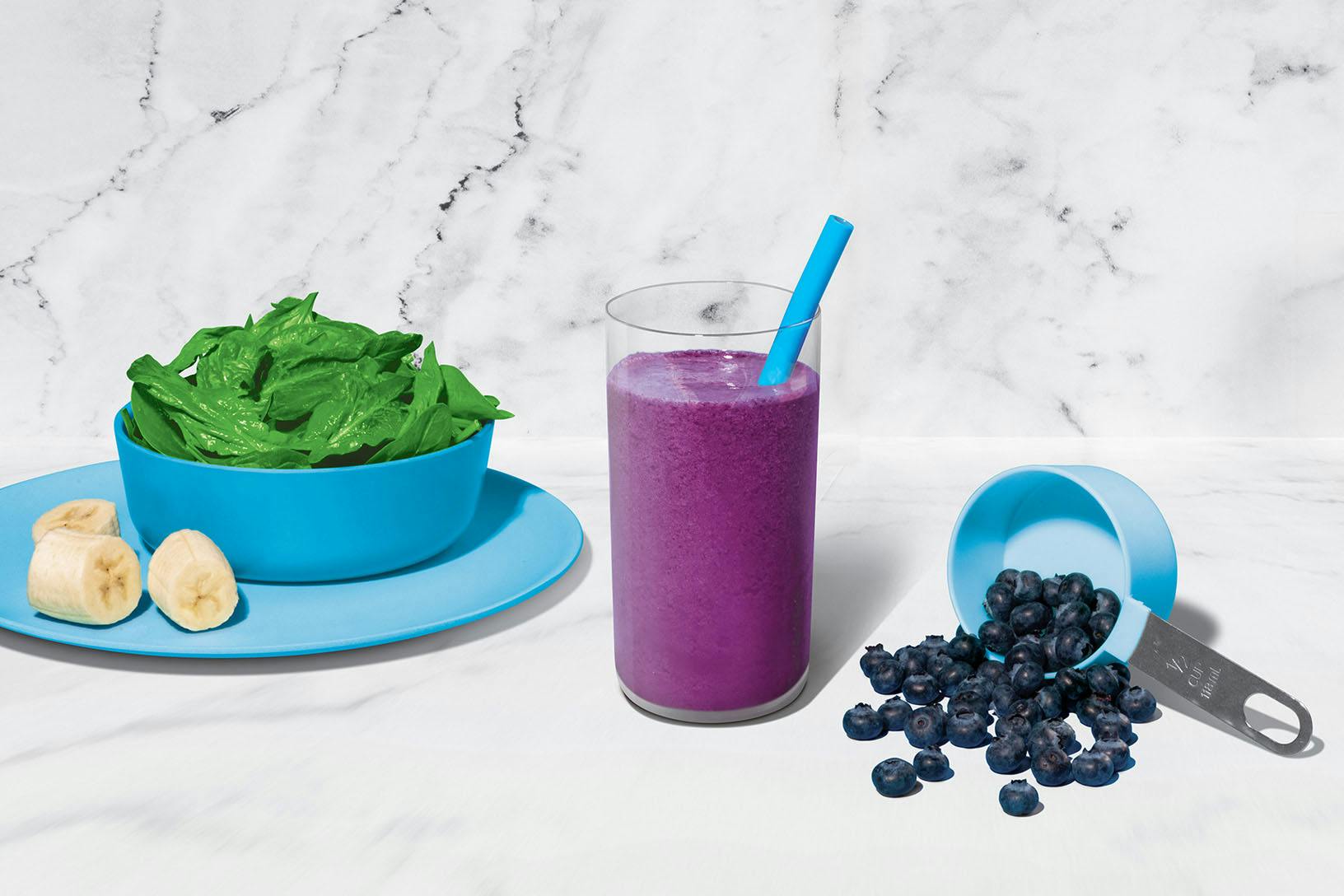
Is there such a thing as a perfect smoothie? This sweet medley certainly makes a strong case. With a classic combination of blueberries, banana, and spinach, this superstar smoothie provides a powerful nutrient boost!
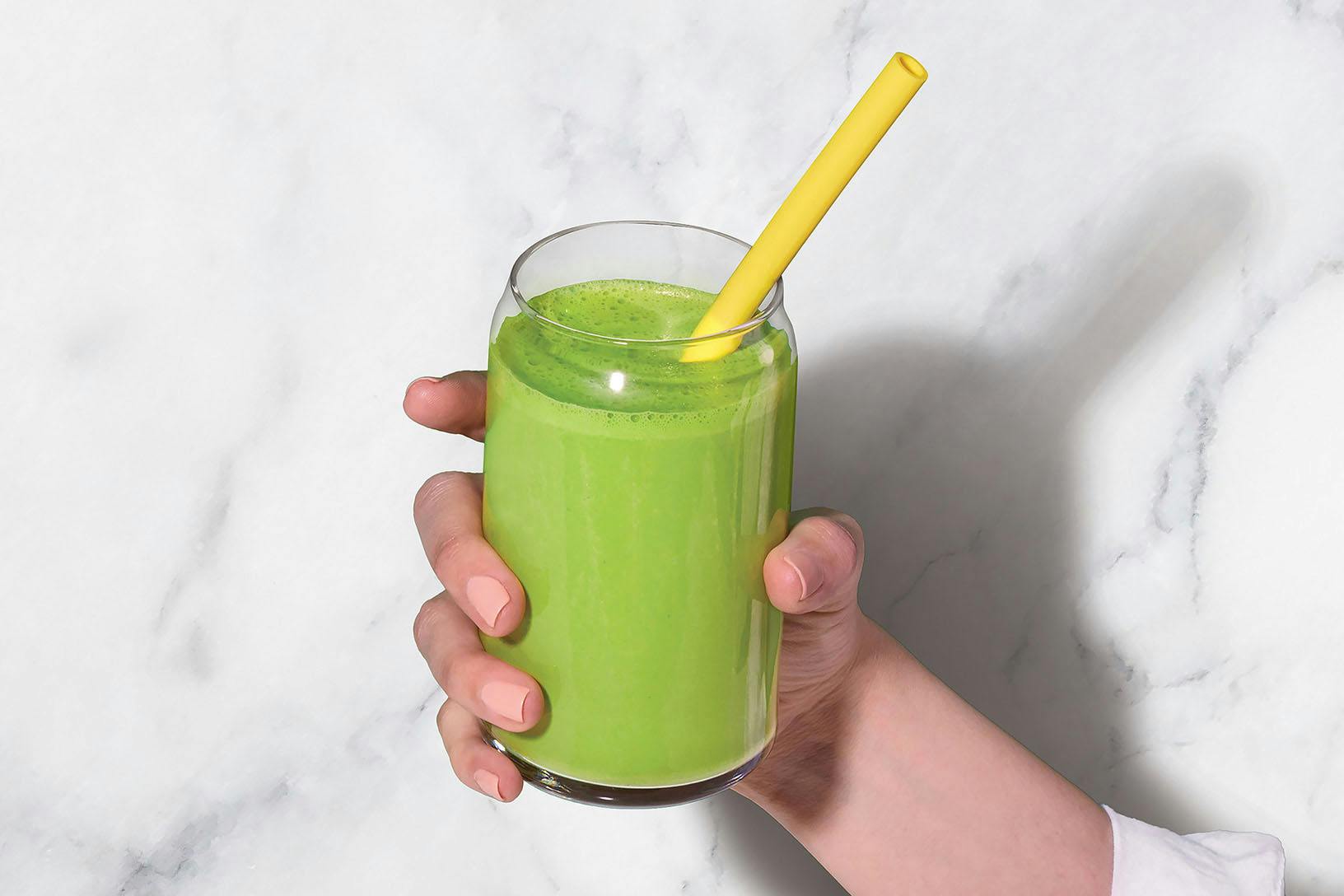
Consider this blend the little black dress of nutribullet smoothies: it never goes out of style. To help keep your energy stable throughout the day, aim to balance your meals and snacks with high-quality protein, healthy fats, and fiber-filled carbs – like this combo of Greek yogurt, peanut butter, fruit, and veggies. There’s a reason this one is always on-trend.
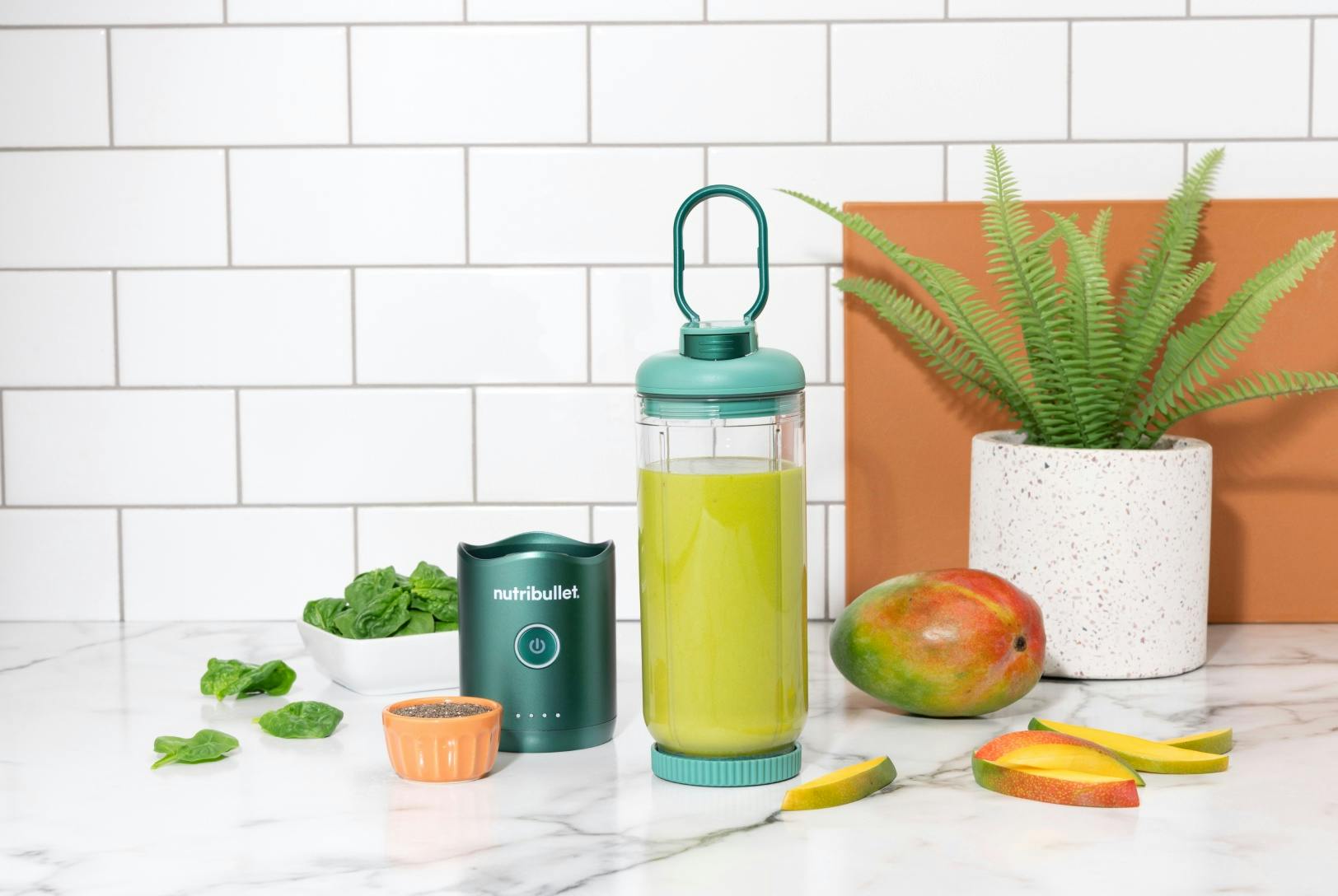
Start your day on a high note with this nutritiously cheerful blend of greens, mango, banana, and chia seeds.