FREE shipping on US orders over $45!
Your cart is empty!
FREE 1-year warranty on all blenders and juicers
More to Consider


Taxes and discounts calculated at checkout.


FREE shipping on US orders over $45!
FREE 1-year warranty on all blenders and juicers
More to Consider
Taxes and discounts calculated at checkout.
Lauren Salter
June 30, 2026

Lauren Salter
As Senior Director of Global Product Development, Lauren plays a major role in guiding research, development, manufacturing, and release for every nutribullet® product. She knows every nutribullet® appliance from the inside out and shares this knowledge as a blog contributor, providing expert insights on what our products do, how they work, and how to use them for maximum benefit in your own kitchen.
If you’re shopping for a new blender, you may be wondering whether you need a traditional blender or an immersion blender. While both appliances are designed to blend ingredients, they work in very different ways and excel at different kitchen tasks.
An immersion blender is a handheld tool that blends directly in a pot, bowl, or cup, while a traditional blender uses a blending vessel that sits on a motorized base. Neither option is inherently better—the right choice depends on what you plan to make most often.
For smoothies, frozen drinks, and larger batches, a traditional blender is typically the better fit. For soups, sauces, dressings, and smaller blending tasks, an immersion blender offers convenience and flexibility.
In this guide, we’ll break down the key differences between immersion blenders and traditional blenders, explore the pros and cons of each, and help you determine which option best suits your cooking style.
While both appliances are designed to blend ingredients, they work in different ways and tend to shine in different situations.
An immersion blender, also known as a hand blender or stick blender, is a compact handheld tool that allows you to blend ingredients directly in a pot, bowl, or cup. Because blending happens in the same container the ingredients are already in, there’s no need to transfer them to a separate blender pitcher.
Because of its compact size and versatility, an immersion blender is often used for:
Many people appreciate immersion blenders because they tend to simplify prep and reduce the number of dishes to wash afterward. You can simply clean with dish soap and rinse the blade under running water; there’s no pitcher to disassemble.
A traditional blender uses a blending vessel (either a cup or pitcher) that locks onto a motorized base. Depending on the model, blenders can range from compact personal blenders to larger full-size blenders that sit on your counter, designed for family-sized batches.
Traditional blenders are often the better choice for:
Because they typically offer more blending power and capacity, traditional blenders are often the go-to appliance for everyday smoothie making.

An immersion blender can be a surprisingly useful kitchen tool, especially for quick tasks and smaller recipes.
One of the biggest advantages of an immersion blender is that it allows you to blend directly in the pot.
Instead of transferring soup ingredients to a blender pitcher, you can simply immerse the blender and blend until you reach your desired consistency. This can help reduce both mess and cleanup while making the process feel a bit more streamlined.
Immersion blenders are also well suited for smaller-volume recipes.
Whether you need to emulsify a homemade mayonnaise or aioli, whip up a vinaigrette, or blend a quick sauce, dip, or vegetable puree, an immersion blender can handle the job perfectly without requiring a full-size blender.
Sometimes you don’t need to pull out a larger appliance.
For quick blending tasks, small portions, or simple recipes, an immersion blender can feel more convenient and easier to store than a countertop blender.
Some immersion blenders, like the nutribullet Lite™ Immersion Blender, come with a whisk attachment, which you can use to make whipped cream, meringue, or whisk eggs for omelets and frittatas.

For certain recipes, a traditional blender is often the more capable and efficient option.
If smoothies are a regular part of your routine, a traditional blender is usually the better choice.
Whether you’re blending frozen fruit or tougher fruits and veggies, nuts, seeds, nut butters, or ice, a traditional blender is typically better equipped to handle tougher ingredients and create a smooth, consistent texture.
Traditional blenders are generally better equipped to handle ice and frozen ingredients.
While some immersion blenders can blend softer frozen foods, they may struggle with large ice cubes or heavily frozen ingredients. For frozen drinks, smoothie bowls, and icy beverages, a traditional blender is typically the stronger option.
If you’re preparing multiple servings at once, a traditional blender, specifically a full-size blender, is generally the best tool for the job.
A larger pitcher allows you to blend enough for the whole family, meal prep for the week, or prepare bigger batches of soups, sauces, and beverages.
For hot soups, always use a full-size blender that is specifically designed with a vented lid.
Personal blenders offer another advantage: convenience.
Many, like those from nutribullet, include travel-ready cups that double as drink containers. Blend your smoothie, swap on a lid, and head out the door without needing to dirty an additional glass.
| Comparison Factor | Immersion Blender | Traditional Blender | |
| Best For | Soups, sauces, dressings, purees, small blending tasks | Smoothies, frozen drinks, nut butters, larger recipes | |
| Blending Power | Moderate | High | |
| Texture Smoothness | Good for soft ingredients | Usually smoother and more consistent | |
| Hot Foods | Blend directly in pots and containers | Full-size models work well for hot foods, but contents must be transferred to a vented pitcher. Hot foods should never be blended in an enclosed blender cup. | |
| Smoothies & Protein Shakes | Good for simple shakes and soft fruits | Excellent, especially with frozen ingredients | |
| Ice & Frozen Fruit | Limited capability | Typically excels at crushing and blending | |
| Batch Capacity | Small to medium batches | Medium to large batches | |
| Convenience During Cooking
Cleanup Storage Space Noise Level Price Range |
Very high; blend where food is prepared
Usually quick; often only the blending shaft needs washing Compact and easy to store Generally quieter Usually lower cost |
Requires transferring ingredients to the blender vessel
Varies by model; pitcher and lid typically require cleaning Requires more countertop or cabinet space Often louder
|

Not sure how to choose a blender that’s right for you? Start by thinking about the recipes you make most often.
For hot soups, be sure to use a full-size blender with a vented lid rather than a personal blender.
For many households, these appliances aren’t direct replacements for one another.
A traditional blender can serve as your everyday smoothie and frozen-drink machine, while an immersion blender becomes your go-to tool for quick soups, sauces, dressings, and smaller blending tasks.
If you regularly prepare both types of recipes, having both tools can provide the most flexibility.
Different kitchens have different needs, which is why nutribullet offers several types of blending solutions.
For quick soups, purees, sauces, and dressings, the nutribullet® Lite Immersion Blender features a stainless steel blending arm and whisk attachment, making it easy to blend directly in bowls, pots, and cups.
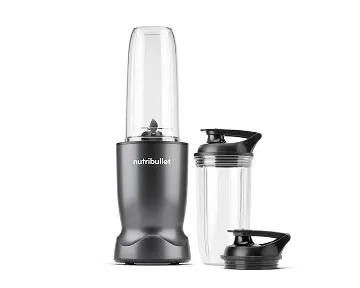
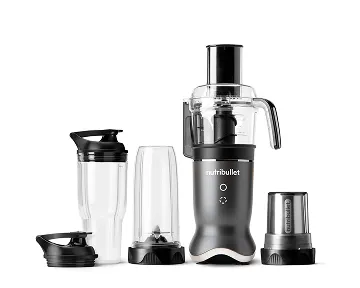
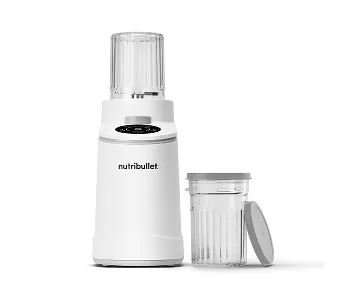
For smoothies, frozen blends, protein shakes, and everyday drinks, a personal or full-size nutribullet blender may be the better fit. If you regularly prepare larger batches of soup, a full-size blender with a vented lid can also help you achieve a smooth consistency safely and efficiently.
Whether you’re looking for something compact, portable, or powerful enough for daily smoothie making, there’s a nutribullet blender designed to fit your routine.
Sometimes, but not always.
An immersion blender can handle soups, sauces, purees, dressings, and some softer blends. However, a traditional blender is usually the better choice for smoothies, frozen ingredients, ice, and larger batches.
Yes, but it works best with soft ingredients or powders and enough liquid.
For frozen fruit, ice, thick smoothies, or tougher ingredients, a traditional blender is usually the better option because it can create a smoother blend with less effort.
Yes. In fact, soup is one of the best uses for an immersion blender.
Because it allows you to blend directly in the pot, you can create smooth, creamy soups without transferring hot ingredients to another container.
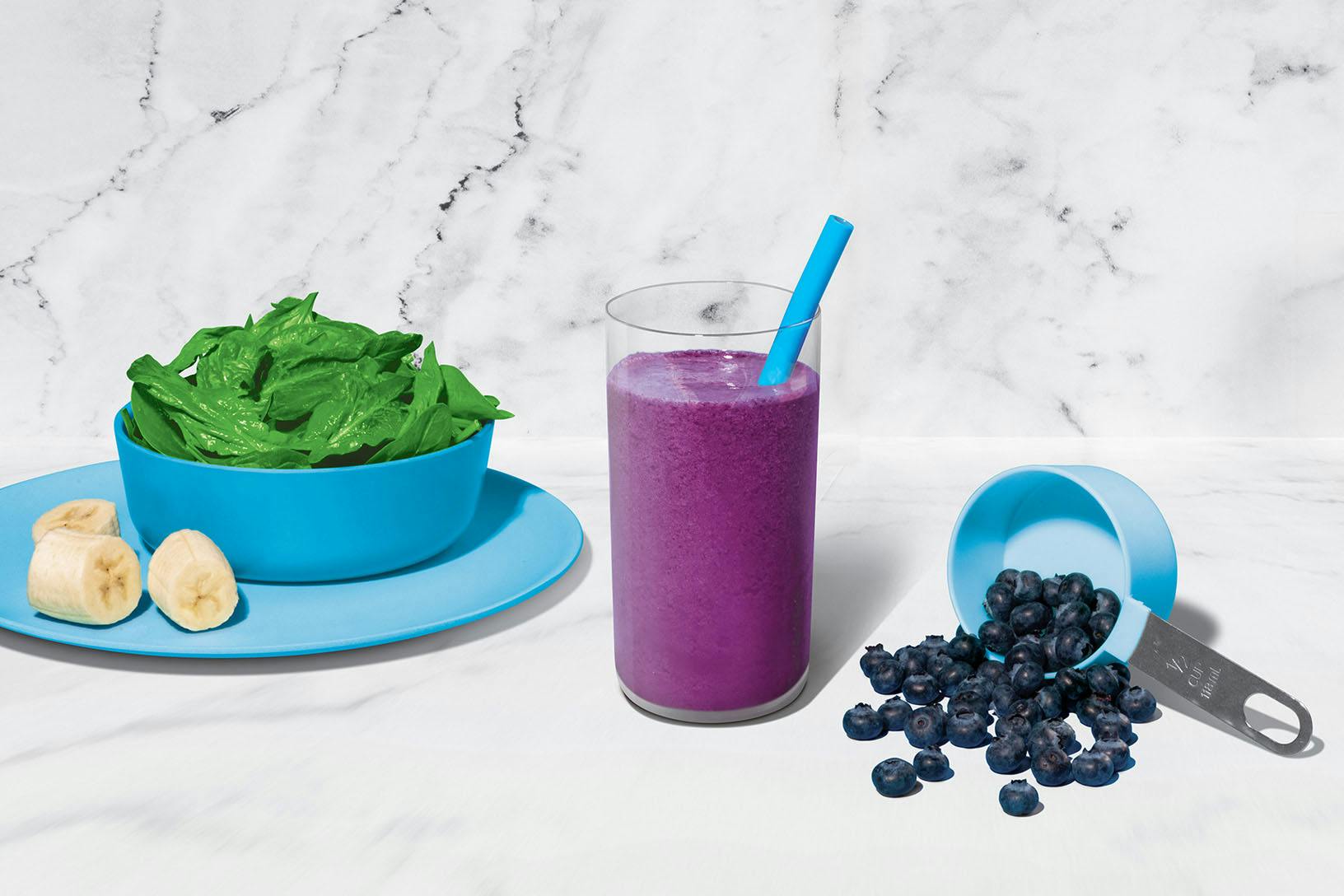
Is there such a thing as a perfect smoothie? This sweet medley certainly makes a strong case. With a classic combination of blueberries, banana, and spinach, this superstar smoothie provides a powerful nutrient boost!
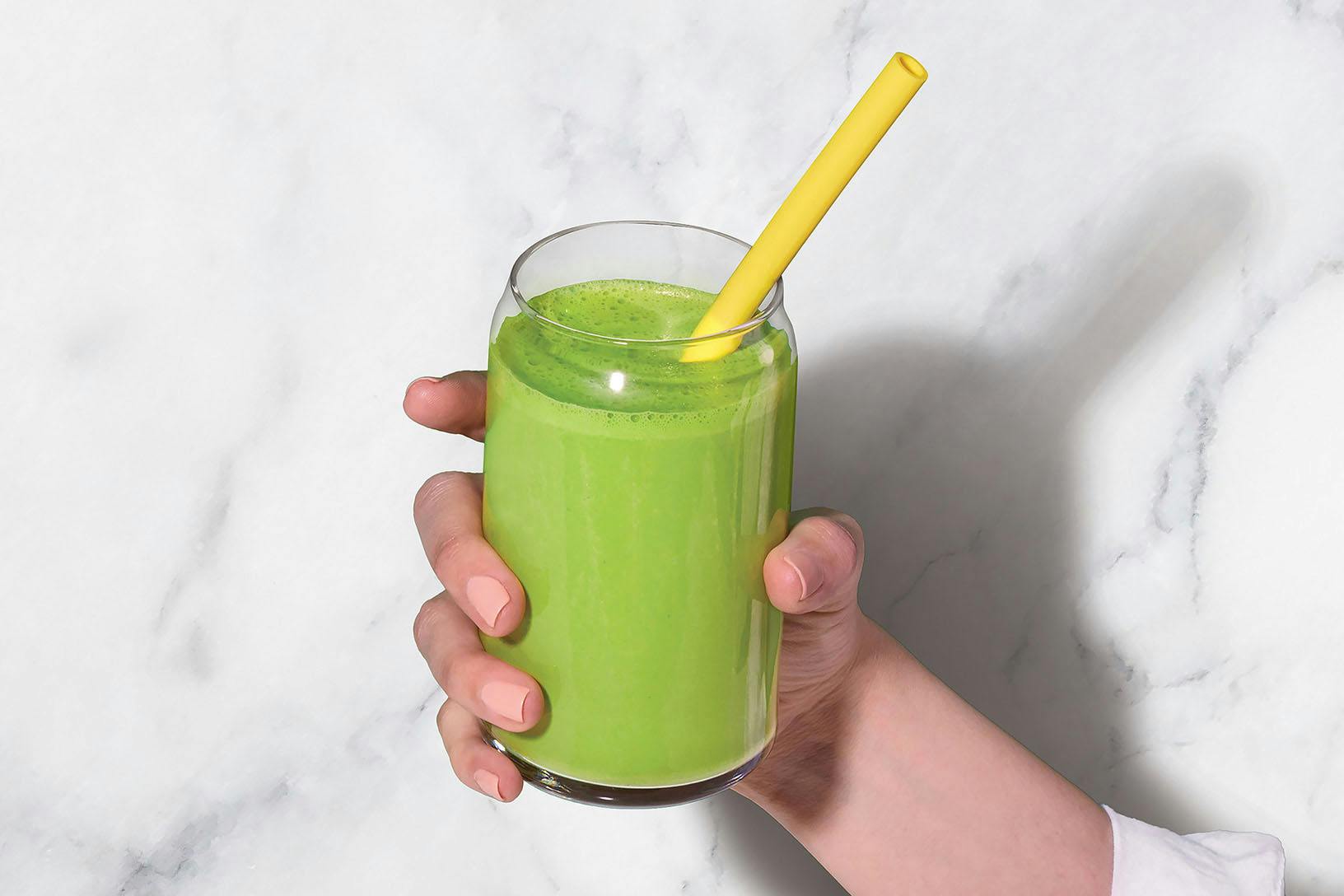
Consider this blend the little black dress of nutribullet smoothies: it never goes out of style. To help keep your energy stable throughout the day, aim to balance your meals and snacks with high-quality protein, healthy fats, and fiber-filled carbs – like this combo of Greek yogurt, peanut butter, fruit, and veggies. There’s a reason this one is always on-trend.
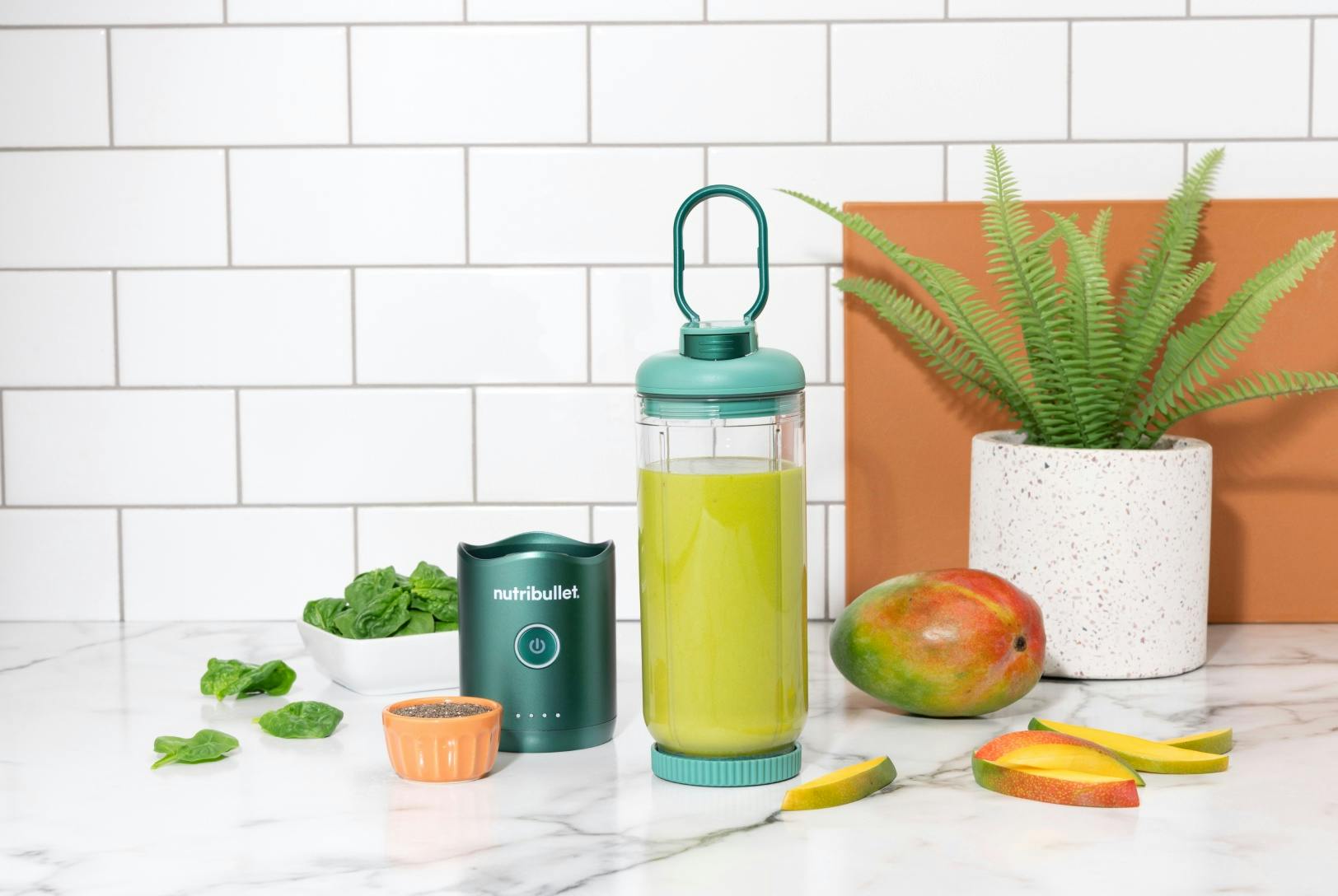
Start your day on a high note with this nutritiously cheerful blend of greens, mango, banana, and chia seeds.