FREE shipping on US orders over $45!
Your cart is empty!
FREE 1-year warranty on all blenders and juicers
More to Consider


Taxes and discounts calculated at checkout.


Free shipping on US orders over $45.
Free 1-year warranty on all blenders and juicers.

FREE shipping on US orders over $45!
FREE 1-year warranty on all blenders and juicers
More to Consider
Taxes and discounts calculated at checkout.
McKenzie Jones
May 20, 2026

McKenzie Jones
McKenzie is Registered Dietitian Nutritionist for nutribullet who aims to make the world a healthier, happier place. She believes that living a healthy lifestyle and eating for your health isn't meant to be complicated -- it's meant to be simple, enjoyable, and judgment-free (with room for dessert). When she’s not dishing out nutrition tidbits, you can find McKenzie visiting her local farmers market, hiking her favorite trails with her husband, and chasing after her daughters.
There’s nothing more refreshing than a glass of fresh juice. Whether you’re into classic OJ or prefer a mean, green elixir, sipping a nourishing mélange of your favorite fruits and veggies always hits the spot.
If you frequently find yourself in line at the juice bar, you might start to wonder if it’s time to buy a juicer and invest in your own machine. The answer to the question, “is a juicer worth it?” ultimately comes down to three things to consider before buying: your health goals, your daily habits, and how much time and money you’re willing to invest.
This guide gives you a clear, honest breakdown of the pros and cons—so you can decide if a juicer belongs on your kitchen counter (and in your routine).
So, is a juicer worth it?
Yes—if you’ll actually use it consistently.
A juicer can definitely help you work more vegetables and fruits into your diet, and it can save you money if you’re used to grabbing juices on the go. But it also comes with a bit of a tradeoff. Before you get a juicer, consider the cost upfront, the extra produce, and the cleanup. And from a nutritional perspective, there is the fact that when you consume fruits and veggies as juice, you don’t get the same amount of fiber that you would from enjoying them whole.
Overall, it’s best to approach juicing at home as more of a small lifestyle shift than a quick kitchen upgrade. If that sounds appealing or inspiring to you, a juicer can absolutely be worth the investment.
Below, we’ll break down the real pros and cons so you can decide whether or not a home juicer is a good fit for your routine.

Juicing allows you to consume a lot of fruits and vegetables in one sitting. A single green juice might include kale, cucumber, celery, lemon, and ginger—all in one glass. Fruits and vegetables are essential for reducing chronic disease risk, and juicing can help increase intake for those who struggle to eat a sufficient amount. For many, it’s worth the investment because it simplifies hitting your daily nutritional targets.
If you have a sensitive digestive system, a good juice can feel gentler than eating whole raw vegetables.
The juicing process essentially “pre-digests” the produce by removing fiber. While this doesn’t replace the need for fiber (more on that below), it can be helpful for people easing into increasing their vegetable intake.
Let’s be honest—juice bar habits add up quickly.
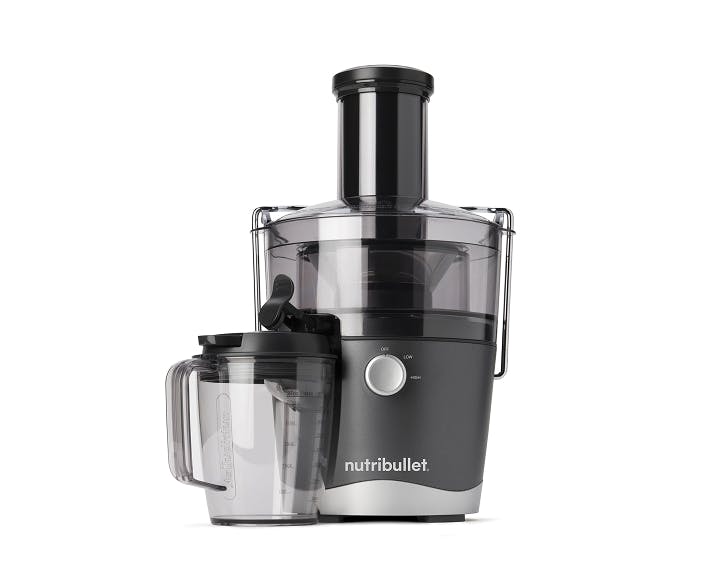
A single cold-pressed juice can cost $8–$12 or more. If you’re buying a few per week, a kitchen juicer can pay for itself surprisingly quickly. We make home juicing more accessible without a luxury price tag with the nutribullet Juicer® and magic bullet® Mini Juicer.
Blenders are a staple for a reason—they’re amazing for whipping up smoothies, sauces, and filling, fiber-rich drinks. But when it comes to certain ingredients like beets, carrots, or parsnips, blenders can take a little more effort and power to get just right. These root vegetables tend to come out thicker or slightly grainy in a blender unless you’re adding extra liquid.
This is where a juicer really shines. It pulls out the liquid from these harder veggies with ease, giving you a smoother, lighter drink while letting you branch out beyond the usual fruit-forward blends. Enjoying juices made from these kinds of tough ingredients is a nice way to complement your smoothie routine. Check out our blog to learn more about juicers vs blenders.

This is an important piece for people to understand, but not fear.
When you juice, the pulp (which contains most of the fiber) is removed. And fiber really does matter: it supports digestion, helps keep you full, and plays a key role in stabilizing blood sugar and supporting gut health.
That said, this doesn’t mean juicing is a bad choice—it just means it serves a different purpose.
Think of juice as a supportive addition, not a replacement. It’s a simple, approachable way to get in a wide range of vitamins and phytonutrients, especially on days when eating enough produce feels like a stretch. When you pair that with fiber-rich meals and snacks throughout the day, you’re creating a well-rounded, nourishing routine.
Juicers are not a “quick rinse and done” appliance.
Depending on the model, you may have multiple parts to disassemble, scrub, and dry. This can easily take 10 minutes or more.
That said, newer models—especially the nutribullet Juicer®—are designed with simpler assembly and fewer parts, making daily use attainable.
There’s no getting around it—juicing requires a bit of an investment upfront, in terms of both the cost of the appliance and the produce you need to purchase to juice. Depending on the model, juicers can range from around $100 to $500+, and making a single glass of juice often calls for a generous volume of fruits and vegetables, especially for lower-yield ingredients like leafy greens and berries.
But here’s the thing: you’re not just “using more produce”—you’re actually getting more servings in. For many people, juicing makes it easier to consistently consume a wider variety (and quantity) of vegetables than they otherwise would in a day.
If you’re someone who already buys juice regularly, this can also balance out over time. And choosing a more approachable option—like the magic bullet® Mini Juicer – can make getting started feel a lot more doable without sacrificing quality.
It’s less about the cost in isolation and more about how it fits into your overall routine and priorities.
Once fruits and vegetables are cut and exposed to air, oxidation naturally begins. Over time, that can reduce certain nutrients, especially things like vitamin C and some other antioxidants. It doesn’t mean your juice suddenly “loses its benefits”—it just means it’s at its very best when it’s fresh.
A few easy ways to get the most out of your juice:
Think of this as your gentle nudge toward slowing down and enjoying your juice in the moment, which can be a lovely part of the ritual, too.
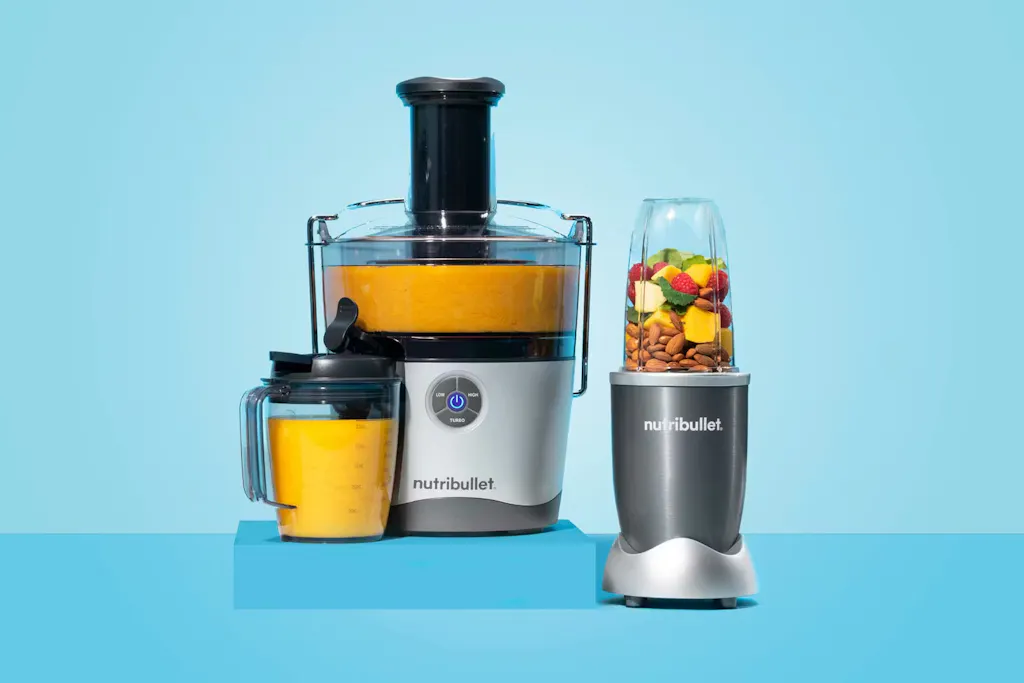
Juicers and blenders serve different purposes.
If your goal is quick vegetable intake and lighter drinks, a juicer may be worth it. If you want meal replacements or more filling options, a blender might be the better fit.
For a more in-depth breakdown, check out our article, Juicing vs. Blending.
A juicer is worth it if you can identify with one (or more) of the following:
If that sounds like you, then yes—a juicer is worth it.
If you’ve made it this far, you probably already have your answer.
The real question isn’t just “is a juicer worth it?”—it’s whether you’ll actually use it enough to make it worth it for you.
Our nutribullet juicers are a great place to start:
If you’re ready to bring juicing into your daily routine, explore the nutribullet® selection and find a model that fits your lifestyle.
Because when it’s used consistently, a juicer isn’t just worth it—it can be a total game changer.
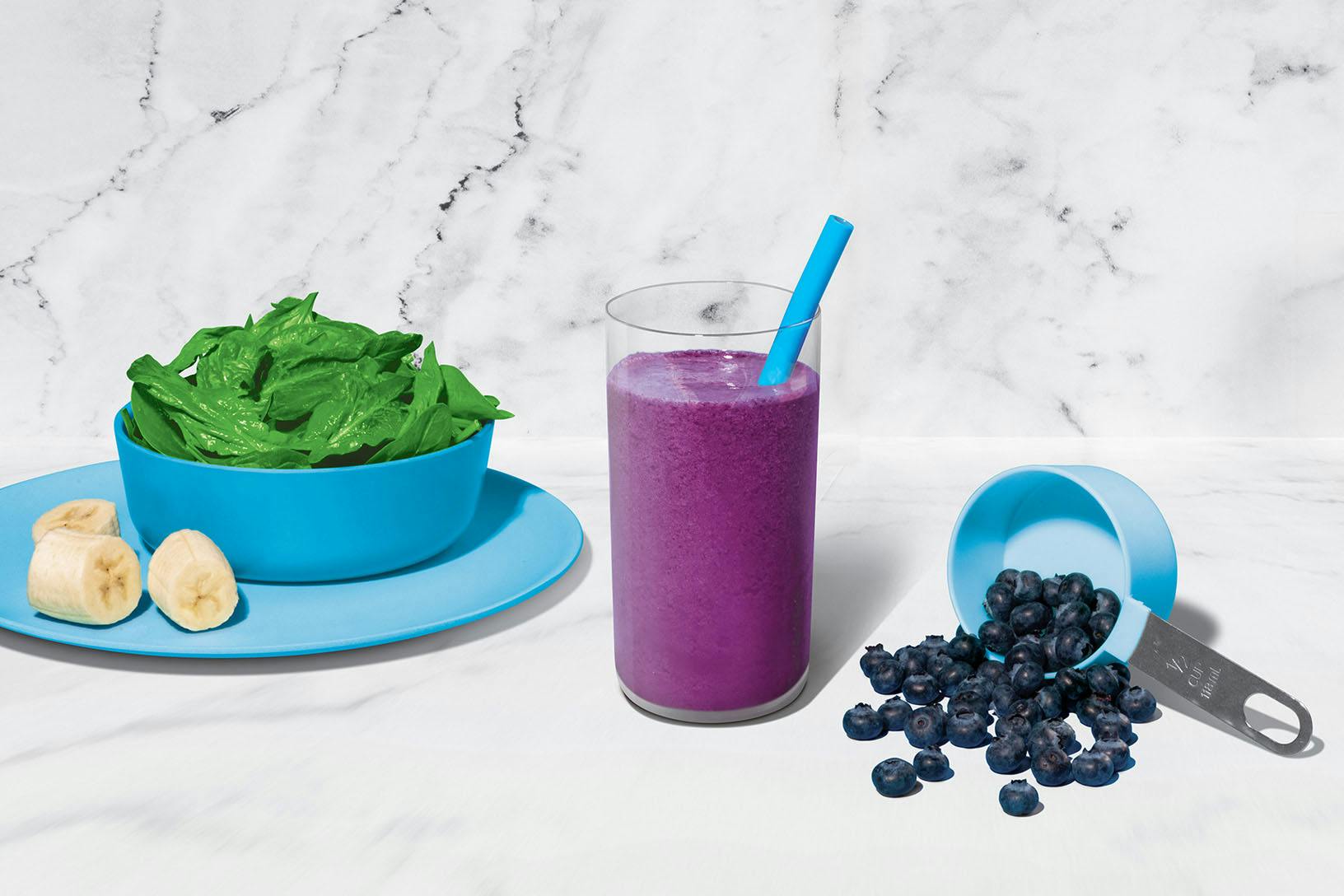
Is there such a thing as a perfect smoothie? This sweet medley certainly makes a strong case. With a classic combination of blueberries, banana, and spinach, this superstar smoothie provides a powerful nutrient boost!
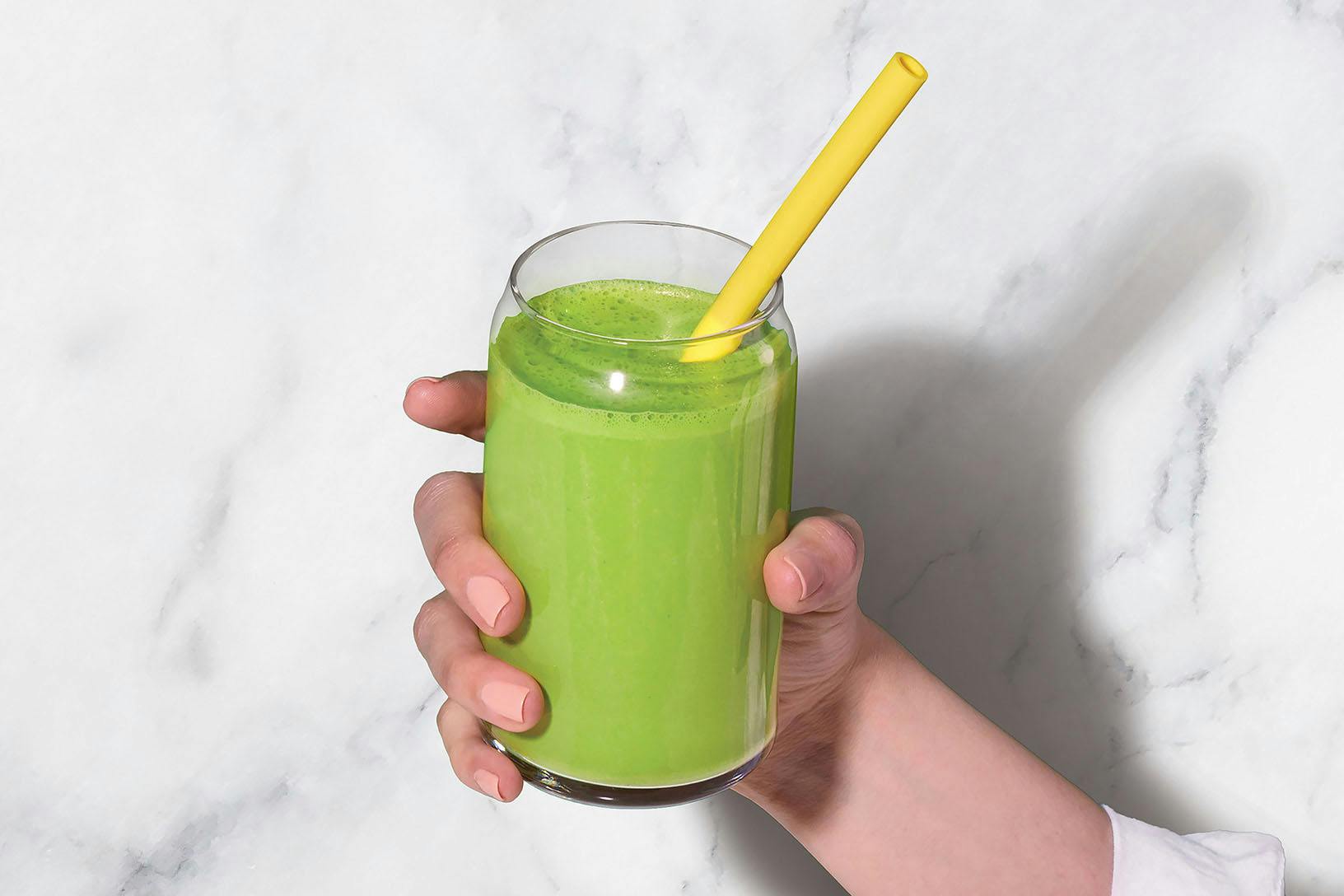
Consider this blend the little black dress of nutribullet smoothies: it never goes out of style. To help keep your energy stable throughout the day, aim to balance your meals and snacks with high-quality protein, healthy fats, and fiber-filled carbs – like this combo of Greek yogurt, peanut butter, fruit, and veggies. There’s a reason this one is always on-trend.
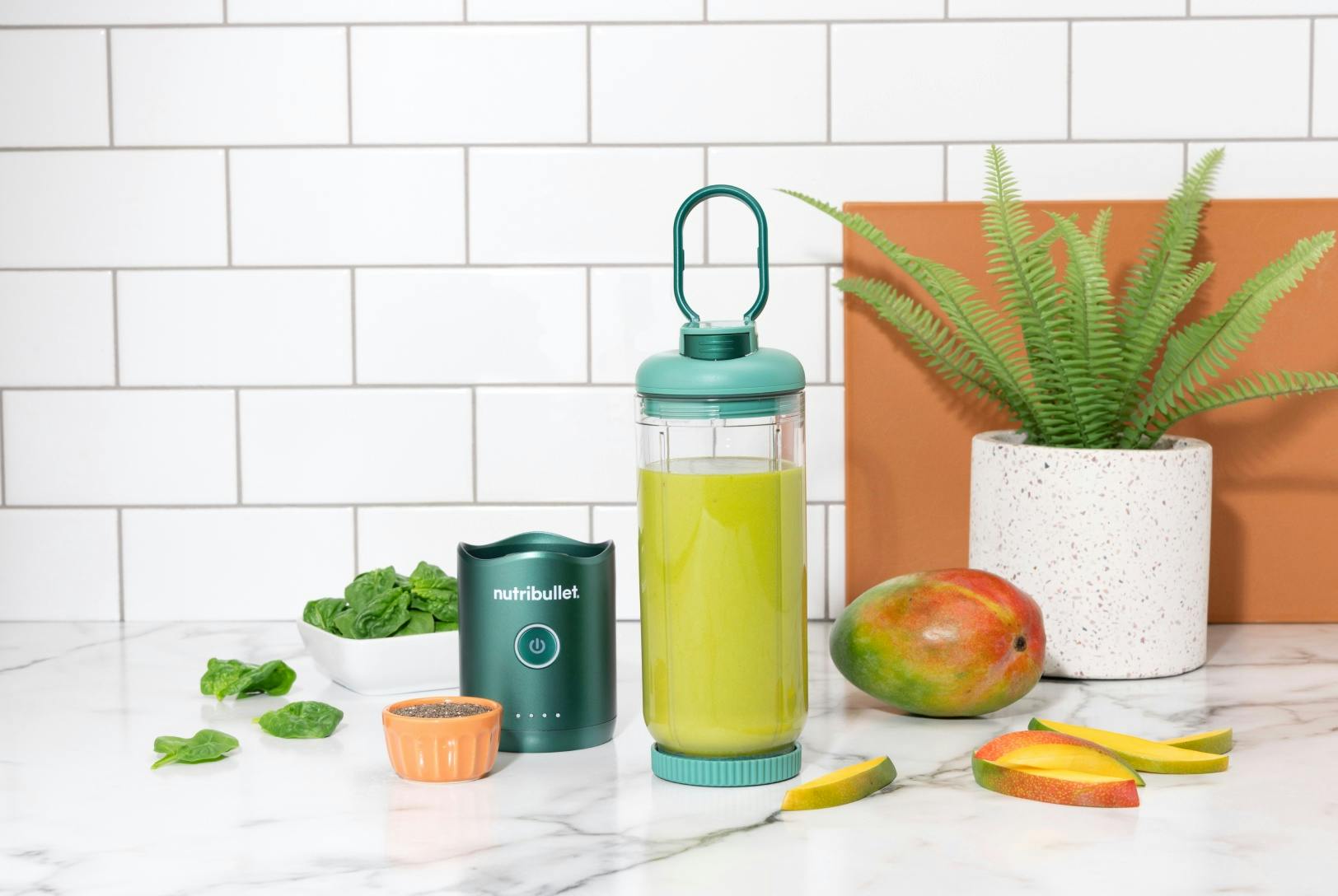
Start your day on a high note with this nutritiously cheerful blend of greens, mango, banana, and chia seeds.