FREE shipping on US orders over $45!
Your cart is empty!
FREE 1-year warranty on all blenders and juicers
More to Consider


Taxes and discounts calculated at checkout.


FREE shipping on US orders over $45!
FREE 1-year warranty on all blenders and juicers
More to Consider
Taxes and discounts calculated at checkout.
Lauren Salter
October 8, 2026

Lauren Salter
As Senior Director of Global Product Development, Lauren plays a major role in guiding research, development, manufacturing, and release for every nutribullet® product. She knows every nutribullet® appliance from the inside out and shares this knowledge as a blog contributor, providing expert insights on what our products do, how they work, and how to use them for maximum benefit in your own kitchen.
Blenders are remarkably versatile, but they’re not designed for every ingredient or every kitchen task. Certain foods and items can dull blades, strain the motor, damage the pitcher, affect texture, or create safety hazards when blended incorrectly.
That doesn’t mean you need to be cautious about every ingredient you put in your blender. In fact, a blender is still one of the most versatile kitchen tools. The key is knowing which ingredients to avoid blending, which need a little extra preparation— and which jobs are better left to another appliance.
Here’s what to know about what not to put in a blender, plus a few ingredients that aren’t actually off-limits when you use the right technique.
Hot soup, sauce, or coffee can create a safety problem in a sealed blender container. As hot ingredients release steam, pressure can build inside the container, potentially forcing the lid off and sending super hot liquid everywhere.
For that reason, let hot foods cool before transferring them to a standard blender. If you’re working with something that needs to be blended while it’s hot, using an immersion blender can be a better option.
There is an important exception: some full-size blenders are specifically designed to handle hot ingredients, so always check your blender’s instructions before blending anything hot. Personal blenders, however, generally aren’t designed for this use.

Carbonation and blender blades aren’t a great combination.
The agitation from blending can release carbon dioxide from a carbonated drink, causing pressure to build inside a closed container. The result can be a fizzy eruption when the container is opened—or potentially while the blender is running.
If a recipe calls for a carbonated ingredient, let it go completely flat before blending, or choose a preparation method that doesn’t require blending it in a sealed container.
Bones should stay out of your blender.
Hard bones can damage blades, while smaller bones can potentially splinter during processing. Those fragments may be difficult to spot once they’re mixed into food.
Whether you’re working with meat or fish, remove bones before adding the food to a blender. If you’re trying to process bones for a specific recipe or stock preparation, use equipment specifically designed for that purpose.
A blender isn’t the ideal tool for chopping raw meat.
The blades can create an uneven, mushy texture rather than the clean, consistent chop you may be looking for. Meat can also wrap around the blade assembly, putting additional strain on the motor.
For recipes that require chopped or ground meat, a food processor or meat grinder is generally a better fit.
Dense dough is another job best handled by an appliance designed for it.
A blender’s narrow container and blade configuration can make it difficult to incorporate dough evenly. You may end up with some areas that are overworked while other parts remain unmixed.
For bread dough and other dense mixtures, use a stand mixer fitted with a dough hook or a food processor designed to handle dough.
Hard, fibrous ingredients such as whole ginger root can be tricky to process in a standard blender. Instead of producing a smooth mixture, the fibers can become stringy or remain unevenly chopped.
For a smoother result, chop ginger into smaller pieces before blending it with other ingredients. If you need finely grated ginger, a grater may be the better tool.
The same principle applies to other particularly tough or fibrous ingredients: a little preparation can make a big difference.
Garlic, onions, and other pungent ingredients aren’t necessarily harmful to your blender, but they have potential to leave behind strong odors and flavors.
That can be an issue if your next smoothie tastes faintly like yesterday’s garlic sauce.
If you’re blending strongly flavored ingredients, use the blender for the amount you need and clean it thoroughly afterward. Cooking pungent ingredients first can also mellow their flavor before blending.
A quick rinse immediately after use can help prevent strong odors from lingering.
Some tough or fibrous ingredients, such as celery or broccoli stalks, for example, can sometimes create a stringier texture when blended raw. The result can vary depending on the ingredient, how it’s prepared, and the blender you’re using.
That doesn’t mean you need to skip high-fiber foods. In fact, we love using fiber-rich fruits and vegetables in smoothies and other blended recipes. The key is to consider the texture you want and prepare tougher ingredients accordingly.
For particularly fibrous vegetables, try cutting them into smaller pieces, removing especially tough stems or strings, or cooking or steaming them first. Blending them with softer ingredients and enough liquid can also help create a smoother, more consistent texture.
Whole coffee beans are extremely hard, and a standard blender isn’t designed to provide the precise, consistent grind needed for good coffee.
Blending coffee beans can produce a mixture of fine grounds and larger pieces, while repeated grinding of hard ingredients can put unnecessary wear on the blades and motor.
For consistently ground coffee, use a dedicated coffee grinder—or start with pre-ground coffee. Or, check out our blog for more on how to grind coffee beans without a grinder.
Potatoes are a surprising blender no-go if you’re trying to make classic mashed potatoes.
Blending cooked potatoes aggressively can overwork the potatoes and release too much starch, which can turn a dish that should be light and fluffy into something sticky and gluey.
For traditional mashed potatoes, reach for a potato masher or, ricer, or food mill instead. A blender can still be useful for potato-based soups, where a smooth, creamy texture is exactly what you’re after.
Dried fruit is chewy, sticky, and considerably tougher than fresh fruit, which can make it challenging to blend on its own. Pieces can get stuck to the blades or put extra strain on the motor.
The good news? You don’t necessarily have to skip dried fruit in your smoothie or recipe.
Try soaking dried fruit in warm water first to soften it, or chop it into smaller pieces before adding it to the blender. Blending it alongside liquid and softer ingredients can also make the job easier.
This one is simple: never put utensils or other objects into a blender while it’s running.
Spoons, spatulas, knives, and other kitchen tools can damage the blades, damage themselves, or become dangerous projectiles.
And never put your hands near the blades, even when the blender isn’t running. Follow your appliance’s instructions for safely removing, cleaning, or handling the blade assembly, and unplug the appliance when appropriate.
Ice might seem like something that belongs on a list of things you should never put in a blender, but ice itself isn’t off-limits. It’s a normal ingredient in many blended drinks, and several of our products can crush and blend ice.
The important distinction is how much ice you’re using and what kind.
Very large, solid blocks or oversized ice cubes can be difficult to break down evenly and may leave you with chunks. For smoother results, use smaller or crushed ice and make sure there’s enough liquid in the blend to help everything circulate.
So don’t skip the ice—just give your blender the conditions it needs to process it effectively.
Nuts aren’t automatically a blender no-go, either. Nuts, seeds, and nut butters can all be part of a well-built blend, and many nutribullet® blenders are also designed to make homemade nut butters.
The key is to consider your specific blender and the recipe you’re making. Processing large quantities of whole nuts on their own can require a more powerful blender and may create a thicker mixture than some blenders are designed to handle.
For the best results, follow your blender’s instructions for making nut butter and other thick mixtures, including recommended quantities and blending times. When making smoothies or other recipes, combining nuts with liquid and softer ingredients can also help create a smoother, more consistent blend.

Most of these guidelines come down to one simple idea: match the ingredient to the appliance that’s designed to handle it.
nutribullet blenders are built for many of the foods you blend every day, including smoothies with ice and frozen fruit, nut butters, softened dried fruit, and cooked vegetables. The key is using enough liquid when appropriate and following the recommended ingredient order for your specific model.
Some jobs simply call for a different tool. Dense dough, raw meat, and coffee beans require chopping, kneading, or grinding rather than traditional blending, making a food processor, stand mixer, or dedicated grinder a better choice.
And for quick, smaller batches away from the kitchen, a portable blender can be a convenient option, while a full-size blender gives you more capacity for larger recipes.
The goal isn’t to limit what you can make. It’s to understand what your blender does best—and give the tougher jobs to the appliance built for them. With the right tools on hand, you can blend, chop, grind, knead, and prep with better results while helping your appliances keep working smoothly for years.
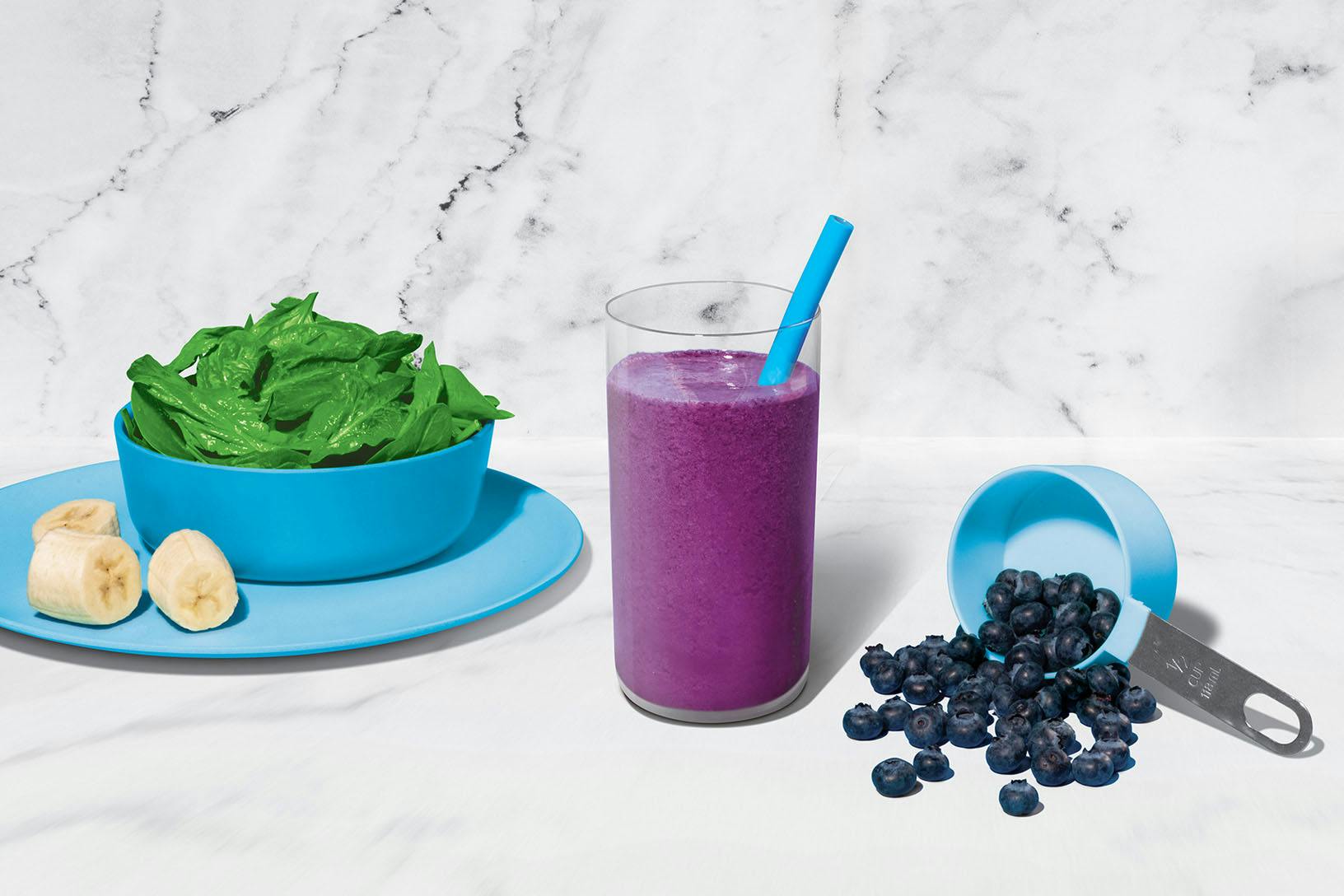
Is there such a thing as a perfect smoothie? This sweet medley certainly makes a strong case. With a classic combination of blueberries, banana, and spinach, this superstar smoothie provides a powerful nutrient boost!
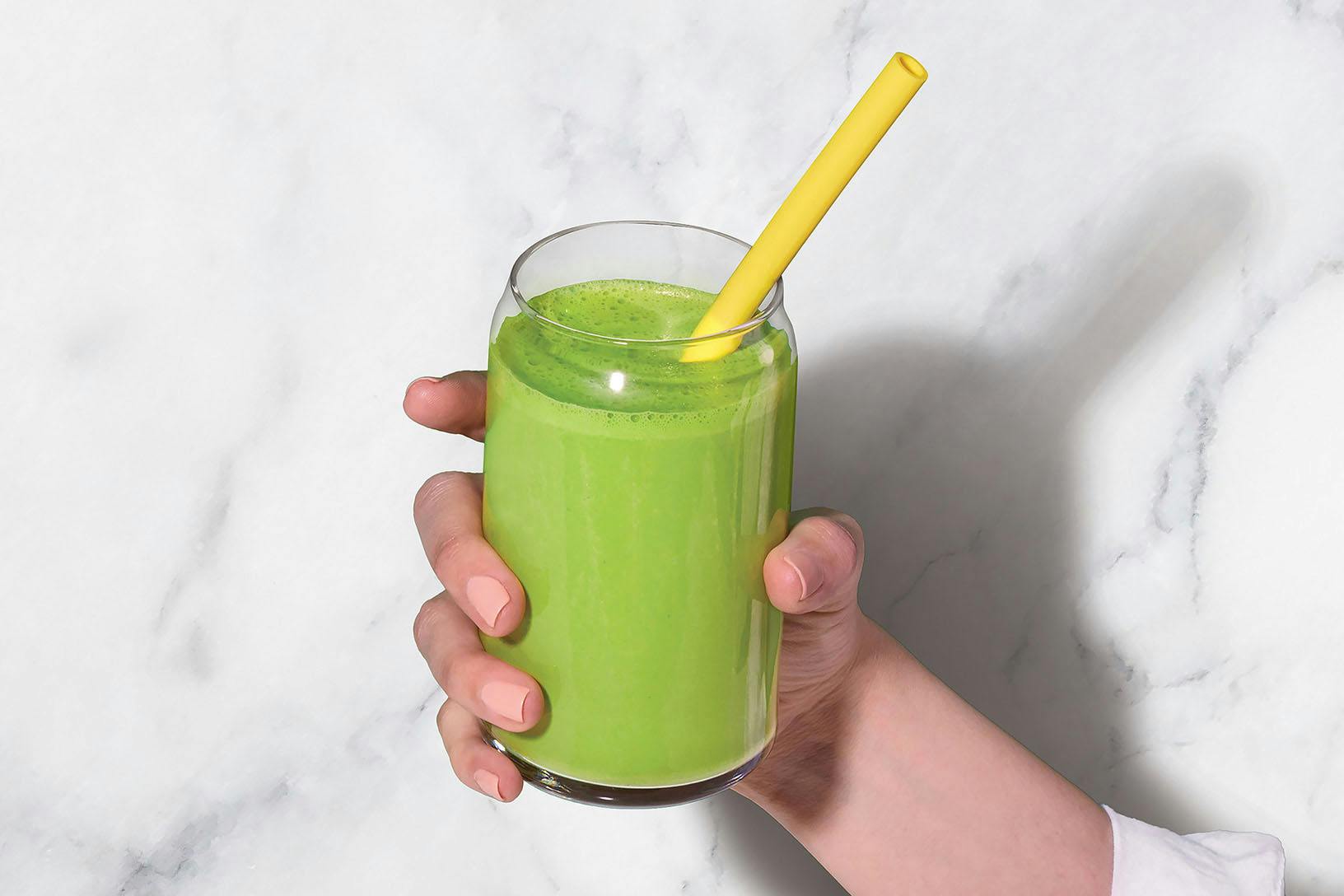
Consider this blend the little black dress of nutribullet smoothies: it never goes out of style. To help keep your energy stable throughout the day, aim to balance your meals and snacks with high-quality protein, healthy fats, and fiber-filled carbs – like this combo of Greek yogurt, peanut butter, fruit, and veggies. There’s a reason this one is always on-trend.
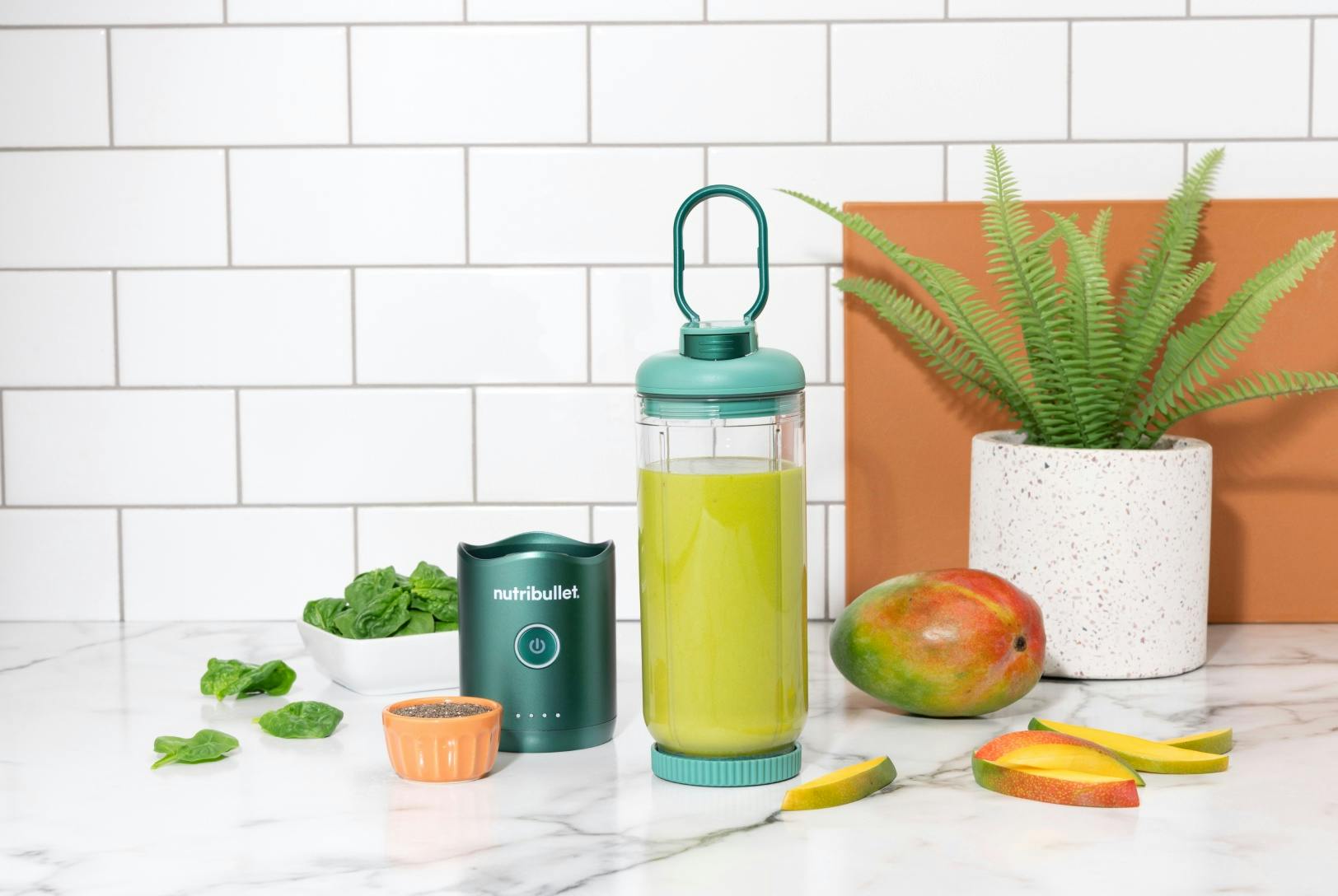
Start your day on a high note with this nutritiously cheerful blend of greens, mango, banana, and chia seeds.