FREE shipping on US orders over $45!
Your cart is empty!
FREE 1-year warranty on all blenders and juicers
More to Consider


Taxes and discounts calculated at checkout.


FREE shipping on US orders over $45!
FREE 1-year warranty on all blenders and juicers
More to Consider
Taxes and discounts calculated at checkout.

nutribullet
November 18, 2026

nutribullet
Nutrition made easy. At nutribullet, we believe that good nutrition has the power to transform lives. Our products, from our blenders to our blends, make nutrition fun and hassle-free for any lifestyle. So, if you're looking for a simple way to be healthy, we've got you covered.
If you’re thinking about buying a juicer, you may have come across two common types of juicers: centrifugal and cold press. Both turn fresh produce into juice, but they work a little differently. Depending on the model, those differences can affect things like how quickly you can make your juice, how much juice you get from your produce, and how easy the machine is to clean.
In general, centrifugal juicers prioritize speed and convenience, while cold press juicers tend to offer higher juice yields, quieter operation, and less foam and separation. Cold press models also generally perform better with leafy greens. So, which type is right for you? Let’s compare how these juicers work, the juice quality, prep time, cleanup, price, and the kinds of produce each handles best.
A centrifugal juicer uses a fast-spinning blade or grating disc to shred fruits and vegetables into small pieces. As the disc spins, centrifugal force pushes the shredded produce against a mesh basket, separating the liquid juice from the pulp.
Think of it as a fast, efficient way to turn whole ingredients into a fresh drink. Many centrifugal juicers also feature wide feed chutes—the openings where you insert produce—which can reduce the amount of chopping and prep needed before juicing.
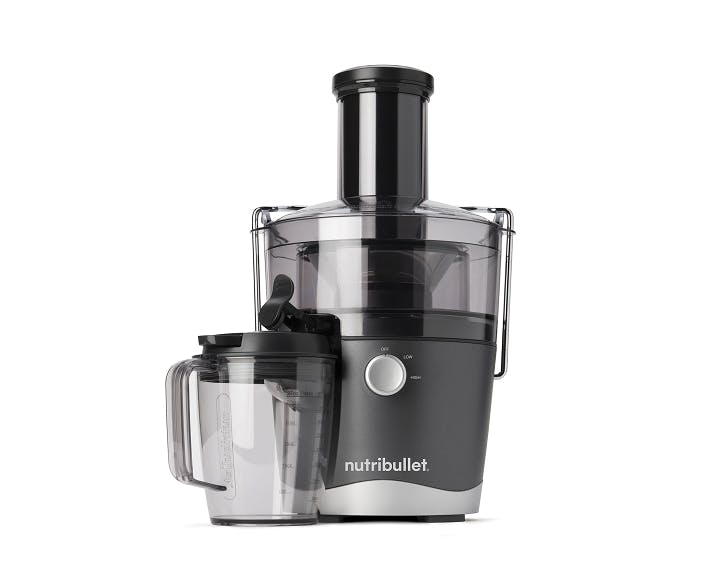
Centrifugal juicers, like the nutribullet Juicer and Juicer Pro, are especially useful for:
Their speed is a major advantage for busy mornings or anyone who wants a straightforward juicing routine. However, high-speed extraction tends to incorporate more air into the juice, which can create foam and make the juice separate more quickly.
Centrifugal juicers can also be less efficient with certain leafy greens and fibrous ingredients, depending on the machine and how the produce is prepared.
A cold press juicer, also known as a masticating juicer or slow juicer, extracts juice using a slowly rotating screw-like component called an auger. The auger crushes and presses produce, forcing the juice through a filter or screen or strainer while separating out the pulp.
Despite the name, most consumer cold press juicers don’t use a traditional hydraulic press. Instead, they use this slow, auger-based extraction process. The term “cold press” generally refers to the style of juicing rather than a guarantee that the juice never experiences any heat.
Because these machines operate more slowly, they typically incorporate less air into the juice. They also tend to extract more juice from many ingredients, particularly leafy greens and fibrous produce.
Cold press juicers, like the nutribullet Cold Press Juicer, are especially useful for:
Cold press juicers come in several designs, and the feeding method can make a meaningful difference in convenience.

With a single-ingredient loading design, you add produce through a feed chute as you juice. You can alternate between ingredients, making it easy to adjust your recipe as you go.
This setup offers control and versatility over the juicing process and can work well for people who enjoy experimenting with different fruit and vegetable combinations.
Some cold press juicers feature a larger hopper or batch-loading system. A hopper is the compartment where you place produce before it moves into the juicing mechanism.
Depending on the design, you may be able to add several ingredients at once and let the machine process them without feeding each piece individually. This can reduce hands-on time and make juicing feel more convenient.
Keep in mind that batch-loading doesn’t necessarily eliminate chopping. Some models still require produce to be cut into smaller pieces, and the recommended preparation varies by machine.
Both types can make fresh juice, but they offer different advantages. Here’s a quick look at the pros and cons of each to help you narrow down your options.
| Feature | Centrifugal Juicer | Cold Press Juicer |
| Processing speed | Generally faster | Generally slower |
| Produce prep | Often less prep with wide chutes | Varies by feed design |
| Juice yield | Can be lower for some ingredients | Generally higher for many ingredients |
| Juice texture | Often frothier | Generally less foamy |
| Noise | Usually louder | Usually quieter |
| Leafy greens | Less efficient with many greens | Generally better extraction |
| Price | Often lower upfront | Often higher upfront |
| Cleanup | Mesh basket may need scrubbing | Varies by model and filter design |
These are general patterns, not guarantees. The design of an individual juicer can make a significant difference, so it’s worth comparing specific models before deciding.
If speed is your top priority, a centrifugal juicer may be the better choice. Its high-speed extraction system processes produce quickly, and models with wide feed chutes can reduce the time you spend cutting ingredients into smaller pieces. Centrifugal juicers are also often available at more accessible price points.
Cold press juicers take longer to extract juice, but newer designs can make the overall process more convenient. Wide feed chutes, larger hoppers, and batch-loading systems can reduce the amount of hands-on feeding required.
It’s helpful to think beyond the time it takes to extract the juice. Your total juicing routine includes washing and preparing produce, feeding ingredients into the machine, disassembling the juicer, and cleaning the parts afterward.
A machine that extracts juice quickly isn’t necessarily the fastest option from start to finish if it requires extensive prep or cleanup. Consider which steps you find most time-consuming and choose a design that makes those steps easier.

Juice yield refers to how much liquid a juicer extracts from a given amount of produce.
Cold press juicers generally produce higher yields from many ingredients, particularly leafy greens, herbs, and other fibrous produce. Their crushing and pressing action can extract more liquid, leaving behind pulp that is often drier.
Centrifugal juicers may leave wetter pulp, particularly when processing ingredients that are difficult to extract efficiently. However, results depend on the produce, the machine, and how the ingredients are prepared.
Why does yield matter? If you juice regularly, getting more juice from the same quantity of produce may help you make better use of your grocery budget. Over time, the difference between the two can become meaningful—especially if you frequently juice leafy greens or other ingredients that are more challenging to extract.
That said, higher yield doesn’t automatically make one juicer the best choice for everyone. If you mainly juice apples and carrots for an occasional morning drink, speed and convenience may matter more to you than extracting every last drop of juice.
Have you ever poured a glass of fresh juice and noticed a layer of foam on top or the liquid separating into different layers? That’s normal, but the juicer you use can influence how much it happens.
Centrifugal juicers spin at high speeds, which can incorporate more air into the juice. As a result, the finished drink may have more foam and may separate more noticeably as it sits.
Cold press juicers generally produce juice with less foam and a more uniform texture. The slower extraction process typically introduces less air, which can make the juice look smoother and more consistent.
Neither type eliminates separation entirely. Fresh juice can naturally separate as its components settle, regardless of the extraction method. A quick stir or shake can usually help bring it back together, and pouring juice through a fine strainer is one simple way to reduce foam when juicing with either type.
If you prefer a glass of juice with less foam, a more uniform appearance, and a fuller-bodied texture, a cold press juicer may be a better match for your preferences.
If you live in an apartment, share your home with light sleepers, or like making juice early in the morning, noise may be an important factor.
Centrifugal juicers tend to be louder because of their high-speed motors and rapidly spinning components. The sound can be noticeable in a quiet kitchen, especially when processing hard ingredients such as carrots.
Cold press juicers generally operate more quietly because their extraction mechanisms rotate at a lower RPM (revolutions per minute). They aren’t silent, though: the motor and the sound of produce being crushed can still be audible.
If a quieter kitchen matters to you, look for noise information in product reviews and compare the specific models you’re considering. The extraction method offers a useful starting point, but the machine’s design also influences how loud it sounds.
Centrifugal juicers are generally less expensive upfront, making them an approachable choice for first-time juicers or people who only plan to make juice occasionally.
Cold press juicers typically cost more, reflecting differences in their extraction mechanisms and design. For people who juice frequently, their generally higher yields may help offset some of the initial cost by reducing the amount of produce left behind in the pulp.
However, whether a cold press juicer saves money in the long run depends on several factors: how often you juice, which ingredients you use, the price of your produce, and the actual yield of the machine.
Before spending more on a particular type, consider your habits. If you’re still figuring out whether a juicer is worth it for your routine, a more affordable centrifugal juicer may be a sensible starting point. If you already juice regularly and value yield, a cold press model may be worth the investment.
Cleanup can make or break a juicing routine. Even a machine that produces excellent juice may end up sitting unused if cleaning it feels like too much work.
Neither type of juicer is automatically easier to clean.
Centrifugal juicers may have fewer parts to assemble, but their mesh baskets can collect fine pulp and require careful scrubbing. Depending on the model, cleaning the basket thoroughly may take more time than you expect.
Cold press juicers can have several components, including an auger, filter, and pulp outlet. Some designs are straightforward to disassemble and rinse, while others have narrow spaces where fibrous produce can get caught.
When comparing models, look for features that simplify cleanup:
If possible, read reviews that specifically discuss cleanup rather than focusing only on juice quality. The easiest juicer to clean is often the one you’re most likely to use regularly.

Cold press juicers are often marketed as producing more nutritious juice, but the science is more nuanced than that.
Cold pressing generally affects juice yield, aeration, foam, separation, and texture. However, research does not support a blanket claim that cold pressed juice is always significantly more nutritious than juice made with a centrifugal juicer.
Nutrient levels can vary depending on the fruit or vegetable, its freshness, how it has been stored, the extraction process, and how long the juice sits before you drink it. Different vitamins and other plant compounds also respond differently to oxygen, light, and temperature.
Because centrifugal juicers incorporate more air during extraction, some oxidation may occur. But that doesn’t mean every glass of centrifugal juice is nutritionally inferior, or that cold press juice always retains more nutrients across every ingredient.
It’s also important to remember that juicing separates liquid from much of the produce’s fiber. If you want to increase your intake of fruits and vegetables, whole produce and blended smoothies are useful options, too, because they retain more of the original fiber.
The bottom line: Choose a cold press juicer for its practical advantages, such as yield, texture, and quieter operation—not because it guarantees a more nutritious drink.
The best juicer for you depends partly on what you plan to juice most often. Some ingredients are easy to process in either type, while others benefit from a particular extraction method.
Centrifugal juicers are a convenient choice for hard produce such as apples, carrots, and beets. Their high-speed grating discs process these ingredients quickly, making them a practical option for people who want fresh juice without a lengthy preparation routine.
Cold press juicers can also handle many hard fruits and vegetables, although extraction generally takes longer. They may offer higher juice yields, depending on the ingredient and model.
Cucumbers are another popular juicing ingredient, and both types can work well with them. For citrus, check your machine’s instructions: some juicers handle peeled citrus, while others may work better with a dedicated citrus juicer.
If your typical juice recipe features apples, carrots, cucumber, and beets, either type may work well. Your decision may come down to whether you value speed or juice yield more.
Cold press juicers generally have the advantage when it comes to leafy greens and fibrous ingredients. Their crushing and pressing action can extract juice more effectively from produce such as kale, spinach, celery, parsley, and other herbs.
These ingredients can be challenging for centrifugal juicers, which may leave more moisture in the pulp. With some leafy greens, the yield can be noticeably lower than with a suitable cold press model.
If you regularly make green juice, check how a particular juicer performs with your favorite ingredients. Some machines handle leafy greens better than others, even within the same category.
For best results, follow the manufacturer’s guidance for preparing and feeding fibrous produce. Alternating leafy greens with firmer ingredients may also help some machines process the mixture more effectively.
Soft fruits such as ripe berries, peaches, and very ripe pears can be more challenging to juice cleanly than firm produce.
Centrifugal juicers may produce more foam or wetter pulp with some soft ingredients, and the yield can vary. Certain vertical cold press juicers are designed to handle softer fruits more effectively, though results depend on the fruit’s ripeness, water content, and the machine’s design.
Soft fruit can also create thick pulp that slows extraction or clogs some juicers. Always check the manual to see which ingredients your model is designed to handle.
If soft fruit is a regular part of your juicing routine, look for model-specific guidance or reviews that test those ingredients rather than relying on the extraction category alone.

By now, you can probably see that neither type is automatically better for everyone. The right choice depends on your favorite ingredients, your budget, how much time you want to spend preparing produce, and how often you plan to make juice.
Here’s a simple way to decide.
A centrifugal juicer may be right for you if speed, convenience, and a lower upfront price are your main priorities.
It’s particularly practical if you mostly juice hard produce such as apples, carrots, cucumber, and beets, and you want to make a fresh drink quickly. A wide feed chute can also reduce prep time, depending on the model.
Consider a centrifugal juicer if you’re new to juicing, make juice occasionally, or want a straightforward way to prepare a single serving without investing in a more expensive machine.
Keep in mind that centrifugal juicers vary in their ability to handle leafy greens and softer produce. If those ingredients feature heavily in your recipes, compare the performance of individual models before buying.
nutribullet recommendations:
A cold press juicer may be the better choice if you prioritize juice yield, quieter operation, and a less foamy, more uniform texture.
It’s especially worth considering if you regularly juice leafy greens, celery, herbs, or other fibrous ingredients. A cold press model may also appeal to people who prepare juice frequently and want to get more liquid from their produce.
Some newer designs feature wider feed chutes or batch-loading hoppers, which can make the routine more convenient. Still, cold press juicers generally take longer to extract juice, and cleaning requirements vary by model.
If you juice often and appreciate the benefits of slow extraction, the higher upfront cost may be worthwhile.
nutribullet recommendation:
Once you’ve decided which type sounds right, compare individual models rather than choosing based on the words “centrifugal” or “cold press” alone.
Here are the features worth checking before you buy.
Finally, think about your entire routine. A juicer that extracts quickly but is difficult to clean may be less convenient than one that takes a little longer but fits easily into your day.
If you want fresh juice with minimal fuss, a centrifugal juicer can be a great fit for fast, convenient everyday juicing. If you care more about juice yield, quieter operation, and performance with leafy greens, a cold press juicer may be worth considering. The best choice is the one that fits your ingredients, kitchen, and routine. Explore the nutribullet juicer collection to compare available centrifugal and cold press options and find a model that works for you.
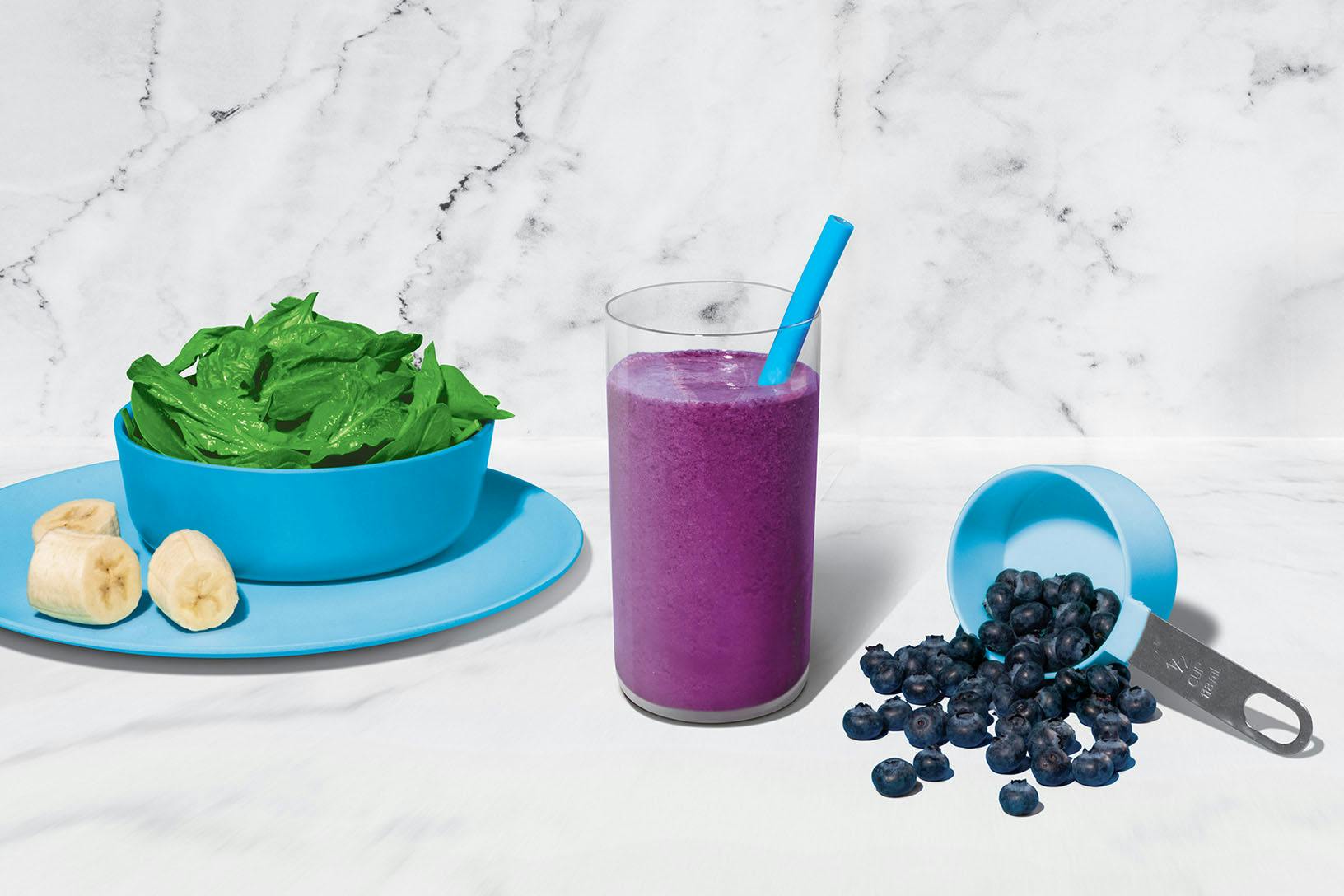
Is there such a thing as a perfect smoothie? This sweet medley certainly makes a strong case. With a classic combination of blueberries, banana, and spinach, this superstar smoothie provides a powerful nutrient boost!
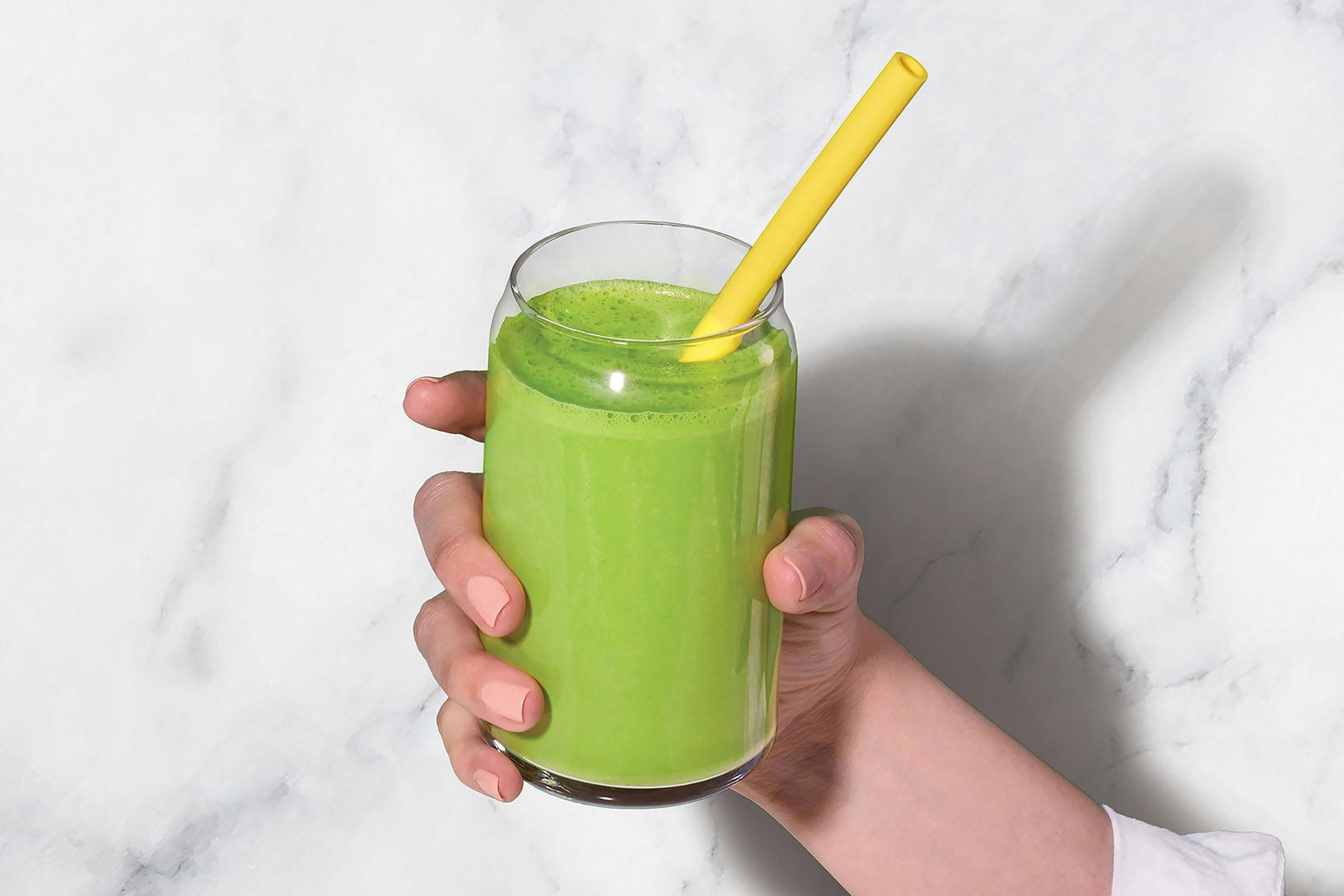
Consider this blend the little black dress of nutribullet smoothies: it never goes out of style. To help keep your energy stable throughout the day, aim to balance your meals and snacks with high-quality protein, healthy fats, and fiber-filled carbs – like this combo of Greek yogurt, peanut butter, fruit, and veggies. There’s a reason this one is always on-trend.
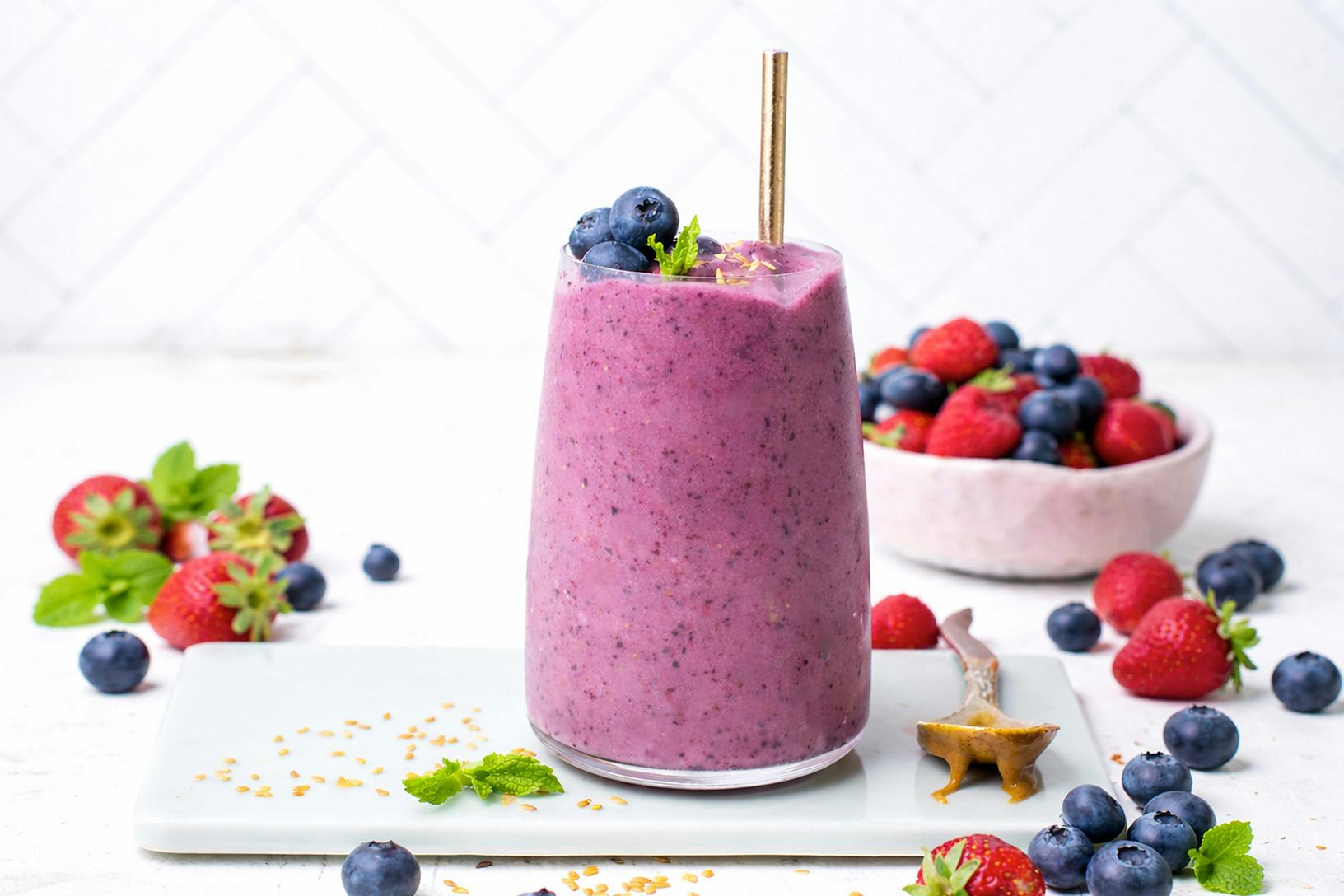
Start your day with an amazing dose of fiber and protein with this berry-liciousand super-nutritious big-batch smoothie.