FREE shipping on US orders over $45!
Your cart is empty!
FREE 1-year warranty on all blenders and juicers
More to Consider


Taxes and discounts calculated at checkout.


FREE shipping on US orders over $45!
FREE 1-year warranty on all blenders and juicers
More to Consider
Taxes and discounts calculated at checkout.
McKenzie Jones
June 26, 2026

McKenzie Jones
McKenzie is Registered Dietitian Nutritionist for nutribullet who aims to make the world a healthier, happier place. She believes that living a healthy lifestyle and eating for your health isn't meant to be complicated -- it's meant to be simple, enjoyable, and judgment-free (with room for dessert). When she’s not dishing out nutrition tidbits, you can find McKenzie visiting her local farmers market, hiking her favorite trails with her husband, and chasing after her daughters.
One of the main benefits of including more fruits and vegetables in your diet is that they tend to be rich in fiber, a nutrient that supports digestive health, helps you feel satisfied after meals, and contributes to overall wellness.
Because smoothies make it easy to combine several servings of fruits and vegetables into one convenient meal or snack, many people wonder whether blending affects the fiber content of their ingredients. After all, a smoothie looks very different from a whole apple, carrot, or handful of spinach, so it’s natural to question whether the nutritional value changes during the blending process.
The good news is that blending does not destroy fiber. While blending fruits and vegetables breaks them into smaller pieces and changes their texture, it doesn’t remove the fiber and other nutrients they naturally contain, as long as you’re blending whole ingredients rather than straining or juicing.
In this article, we’ll take a closer look at what happens to produce during blending, how blending compares to juicing when it comes to fiber, and share simple ways to create even more fiber-rich smoothies.
When you blend fruits and veggies vegetables, the blades break them down into tiny pieces, transforming them from solid foods into a smooth, drinkable texture. While this process changes the physical structure of the produce, it doesn’t remove any of its components. Everything that goes into the blender—including the fiber—remains in the finished smoothie.
In other words, blending is different from processes that separate or discard parts of the food. Instead, it simply breaks whole ingredients into smaller particles, making them easier to drink while preserving the fiber they naturally contain. Regardless of how long a smoothie is blended, the total amount of fiber stays intact.
Fiber is found throughout fruits and vegetables, including the flesh, skin, pulp, seeds, and leafy portions of many plants. Because a smoothie contains the whole ingredient, those fiber-rich components stay in your glass rather than being removed during preparation.
Whether you’re blending bananas, berries, spinach, kale, carrots, or cucumbers, or other seeded fruits, you’re still consuming the same fiber that was present before blending. The texture may be completely different, but the fiber is still there.

Although both smoothies and juices can be made from the same fruits and vegetables, the way they’re prepared has a major impact on their fiber content.
When you make a smoothie, everything that goes into the blender stays in the final drink. The skin, pulp, flesh, seeds, and other fiber-rich parts of the produce are simply broken down into smaller pieces rather than removed. As a result, smoothies retain most of the naturally occurring fiber as well as other key vitamins and minerals found in the fruits and vegetables you use.
Juicing works differently. Instead of processing the entire fruit or vegetable, a juicer extracts the liquid and separates it from the pulp. Because much of the fiber is found in the pulp and skin, a significant portion of that fiber is left behind during the juicing process.
For this reason, juice typically contains far less fiber than a smoothie made from the same ingredients. If increasing your fiber intake is one of your goals, blending whole fruits and vegetables is generally the better option.
Want to learn more about how these appliances compare? Check out our Blender vs. Juicer guide to find the best fit for your lifestyle and nutrition goals.
The good news is that creating a high-fiber rich smoothie doesn’t have to be complicated.
A few simple choices can help you get even more fiber into your daily routine.
One of the easiest ways to boost the amount of fiber in a smoothie is to use whole fruits and vegetables whenever possible.
For produce with edible skins, there’s usually no need to peel before blending. Apples, pears, peaches, and cucumbers can all be blended with the skin on, helping you keep all parts of the fruit or vegetable in your smoothie.
Both fresh and frozen fruits and vegetables can be great choices. There is a common myth that fresh fruits and vegetables are always healthier than frozen, but research from the Food Quality and Preference journal shows frozen is usually just as nutritious and sometimes even more so. Frozen produce is also typically picked and frozen at peak ripeness, making it a convenient option to keep on hand for smoothies. Whether you choose fresh or frozen often comes down to personal preference, what’s in season, and what you have available.
One of the easiest ways to increase the fiber content of your smoothie is to be intentional about the ingredients you include. While fruits and vegetables provide a natural source of dietary fiber, certain additions can help boost the total even further.
Consider incorporating ingredients such as:
By combining ingredients from several of these categories, you can create a smoothie that’s not only flavorful and satisfying but also naturally rich in fiber.
If your goal is to preserve as much fiber as possible, skip the strainer after blending. While straining can create a smoother texture, it also removes some of the pulp and other fiber-containing portions of the ingredients.
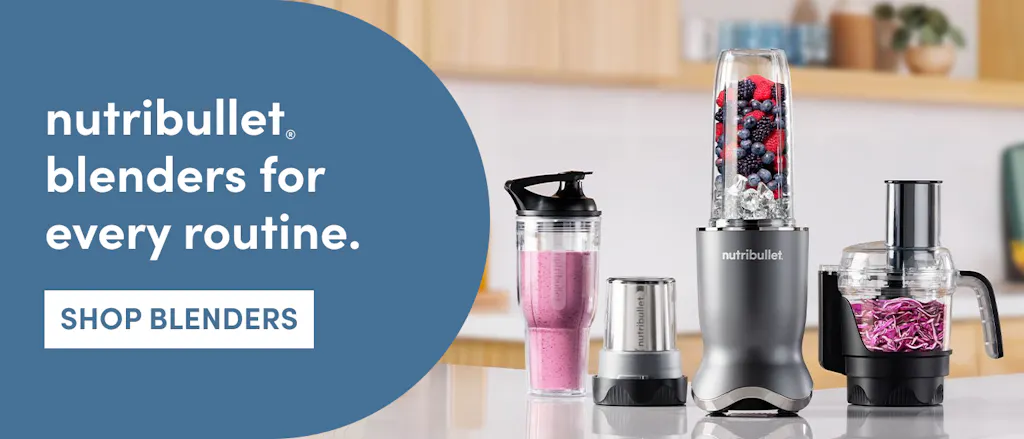
Fortunately, straining is often unnecessary when using a high-powered blender. nutribullet® blenders are designed to break down fruits, vegetables, and other ingredients into a smooth consistency while keeping the entire ingredient—including the fiber-rich pulp—in your cup. If you’re deciding on the right model, our guide on how to choose a blender can help you find an option that fits your needs.
Not sure where to start?
Use this simple formula as a blueprint for building a balanced, fiber-friendly smoothie:
Mix and match ingredients based on your preferences, and you’ll have an easy smoothie formula you can use again and again.
When it comes to preserving fiber, blending whole fruits and vegetables is one of the simplest and most convenient options. Unlike juicing, blending retains all the pulp and other fiber-rich parts of your ingredients, helping you get more of the nutritional benefits they have to offer.
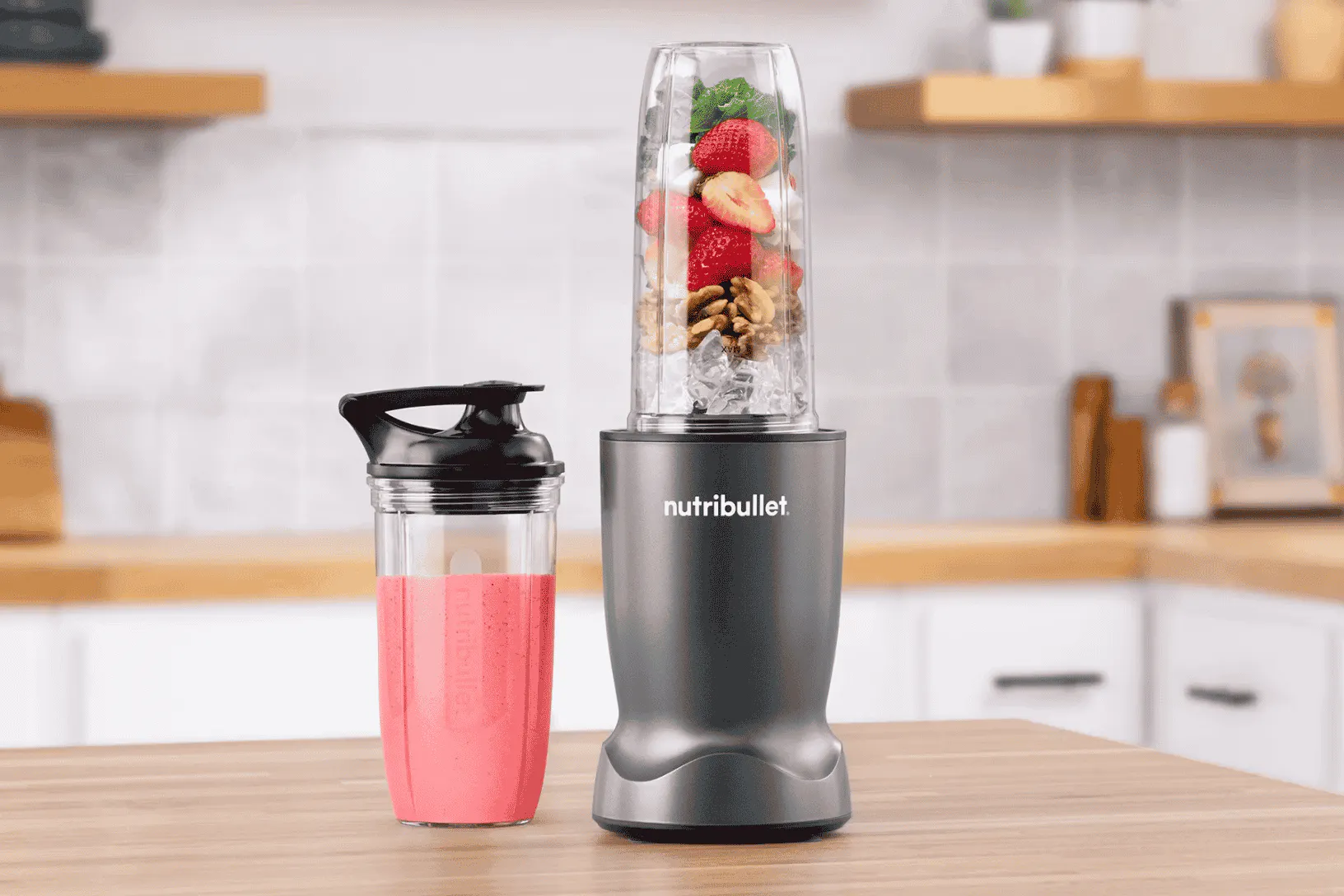
Whether you’re blending berries, leafy greens, oats, chia seeds, or avocado, a nutribullet® personal or full-size blender makes it easy to create smooth, satisfying drinks using whole-food ingredients. With the right ingredients and a quality blender, enjoying a fiber-rich smoothie can be a simple part of your daily routine.
The bottom line: blending doesn’t destroy fiber, so you can sip your smoothie with confidence.
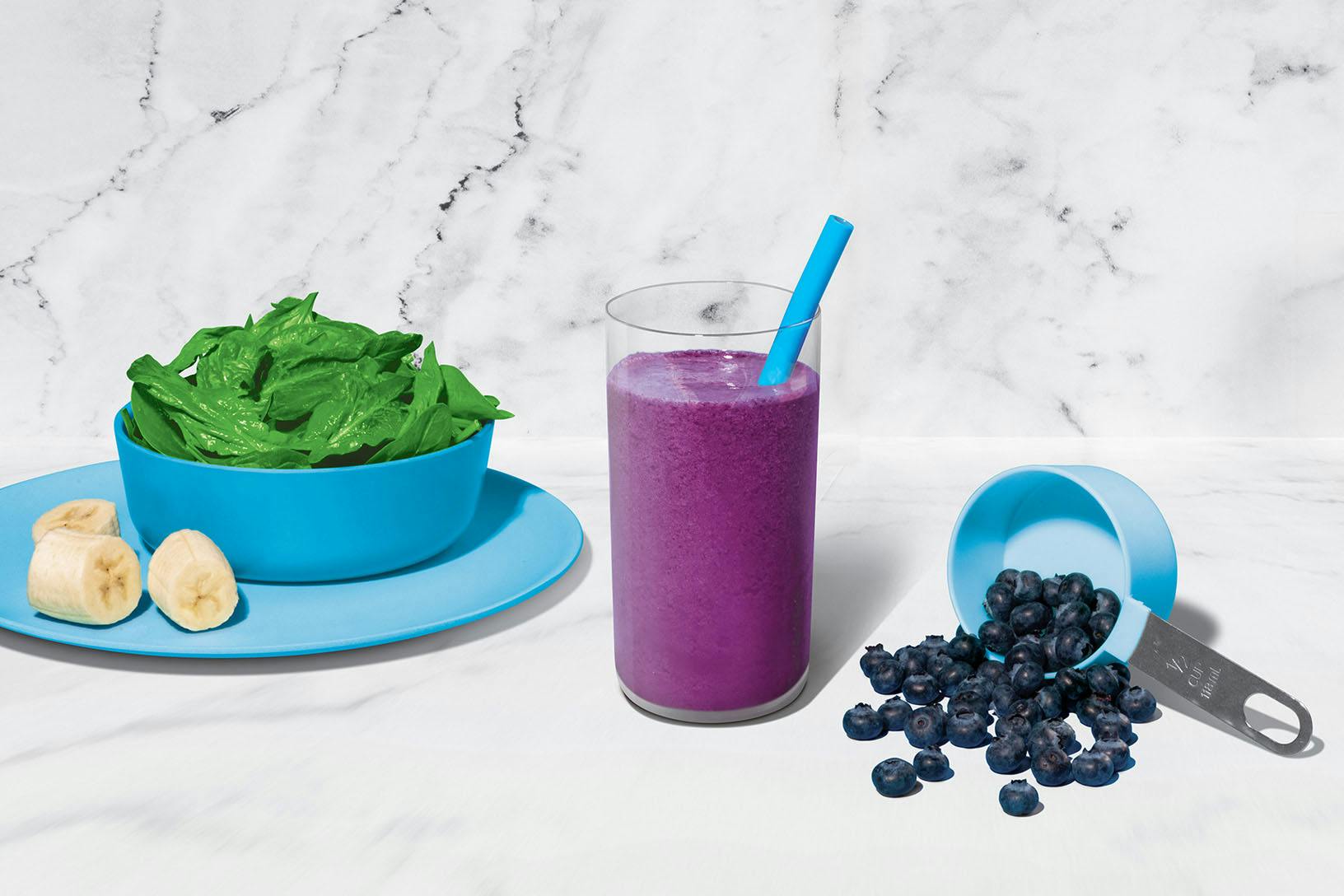
Is there such a thing as a perfect smoothie? This sweet medley certainly makes a strong case. With a classic combination of blueberries, banana, and spinach, this superstar smoothie provides a powerful nutrient boost!
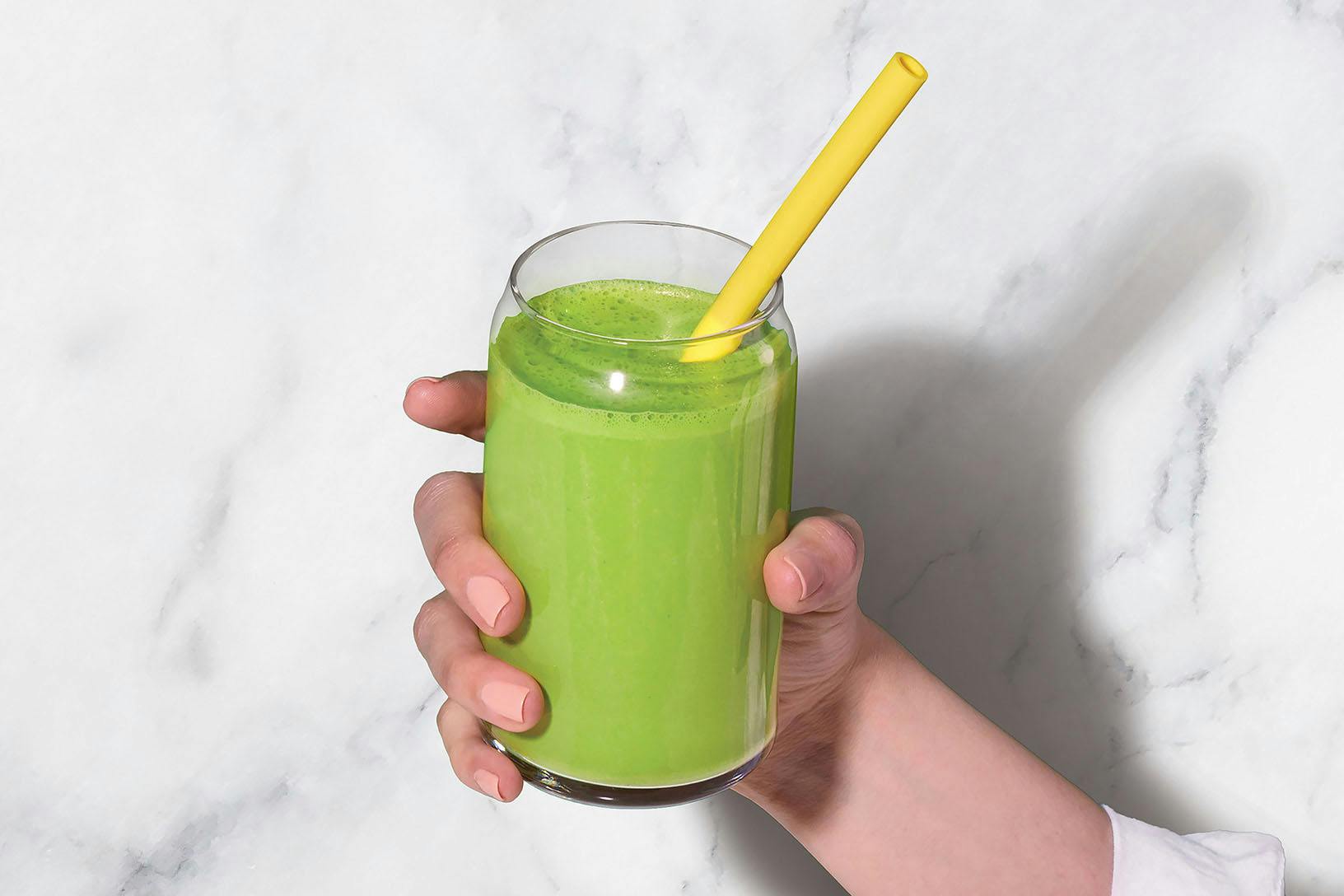
Consider this blend the little black dress of nutribullet smoothies: it never goes out of style. To help keep your energy stable throughout the day, aim to balance your meals and snacks with high-quality protein, healthy fats, and fiber-filled carbs – like this combo of Greek yogurt, peanut butter, fruit, and veggies. There’s a reason this one is always on-trend.
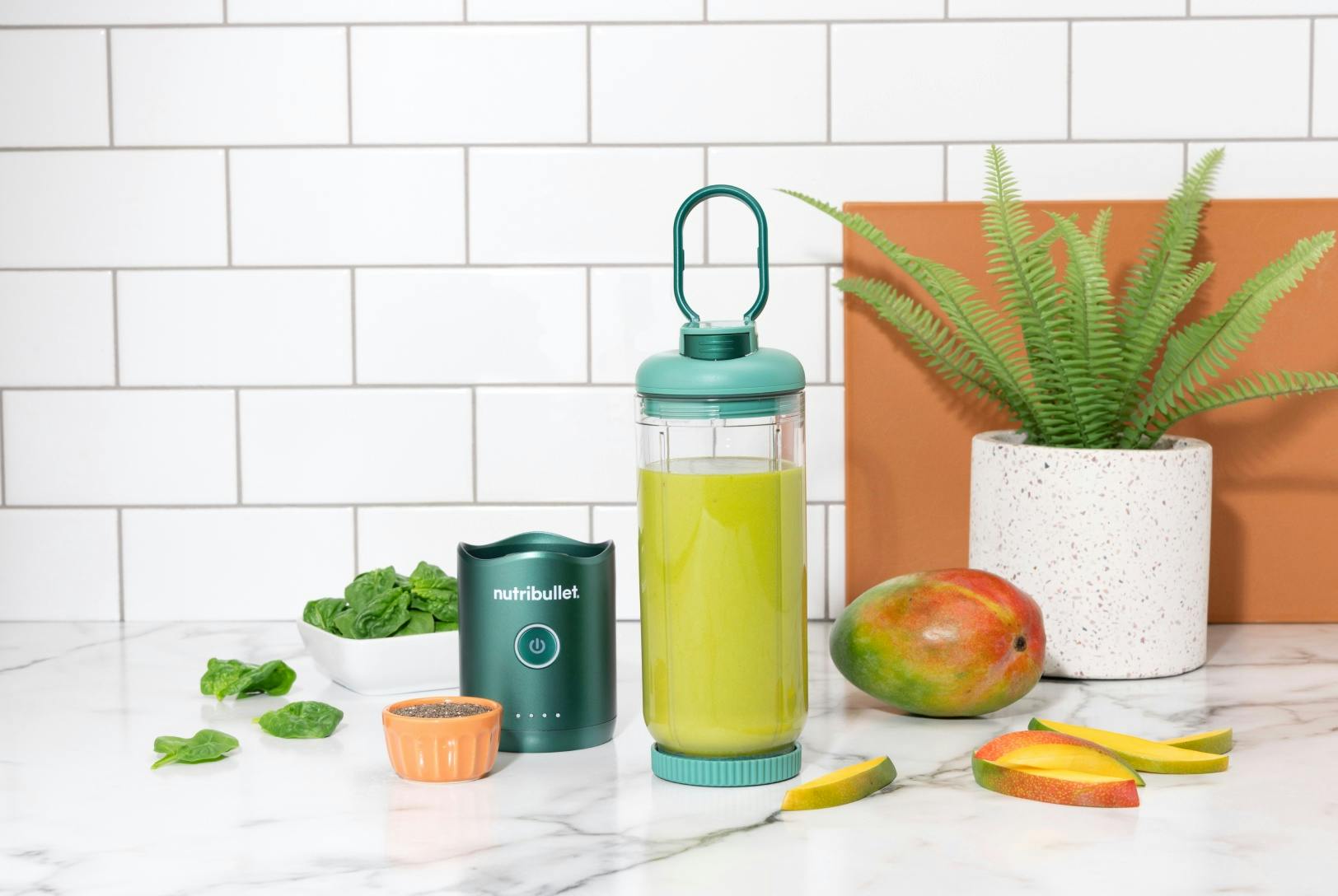
Start your day on a high note with this nutritiously cheerful blend of greens, mango, banana, and chia seeds.