FREE shipping on US orders over $45!
Your cart is empty!
FREE 1-year warranty on all blenders and juicers
More to Consider


Taxes and discounts calculated at checkout.


Free shipping on US orders over $45.
Free 1-year warranty on all blenders and juicers.

FREE shipping on US orders over $45!
FREE 1-year warranty on all blenders and juicers
More to Consider
Taxes and discounts calculated at checkout.

Sherene Chou
April 1, 2026

Sherene Chou
Sherene is a culinary-trained Registered Dietitian Nutritionist for nutribullet focused on making delicious plant-based eats sustainable and accessible for all. She believes that food cultures and traditions should be celebrated and incorporated as part of living a happy and healthy life. When she’s not learning about a new ingredient or food at her local farmers market, you can find Sherene teaching food justice and culinary nutrition to health professionals nationwide.
Food waste is a challenge we all have to contend with. Despite our best intentions, a surprising amount of the food we purchase still ends up in the trash. In fact, the average US household wastes up to 40% of the food it buys. And according to the Natural Resources Defense Council, the average family of four throws away about 1,000 pounds of food every year. In terms of cost, that translates to roughly $1,500 annually.
At the same time, food waste exists within a larger global paradox: we produce enough food to feed everyone, yet millions of people still experience hunger. The issue isn’t just how much food we have, but how effectively it’s used, valued, and shared across communities. While the causes are complex, reducing waste at home is one small but meaningful way individuals can be part of a more efficient and responsible food system.
It’s also an environmental issue. Whether it’s produce, canned goods, meat, or dairy, the food we purchase requires significant amounts of energy and resources to make it to the grocery store. When we toss out uneaten food, we’re also throwing away the water, electricity, land, labor, packaging, and transportation it took to get it to our kitchen.
The good news is that small changes in how we plan, store, and use food can dramatically reduce waste. Here are five simple strategies to help you waste less food at home.
One of the most effective ways to reduce food waste is to shop with a plan.
Grocery stores are designed to encourage impulse purchases, which can lead to buying more food than you actually need.
Before going to the store:
Meal planning tools can also help you calculate exactly how much food to buy, reducing the chance that ingredients go unused.
Pro tip: Shopping more frequently with smaller lists can keep food fresher and prevent overstocking.
Fruits and vegetables that look slightly unusual are often overlooked at the store. However, imperfect produce is just as nutritious and delicious as perfectly-shaped counterparts.
Lumpy carrots, oversized zucchinis, or small apples taste just as good as “ideal” specimens when used in:
And an added bonus is these foods are often discounted, which can also help you save money while reducing food waste.
Proper food storage plays a major role in keeping ingredients fresh.
According to the United States Department of Agriculture, refrigerators should be kept at 40°F (4°C) or lower to slow bacterial growth and extend food life.
Use these refrigerator storage tips:
A refrigerator thermometer can help ensure your fridge stays at the correct temperature.
Your freezer is one of the best tools for preventing food waste.
Many foods can be frozen for months with minimal loss in quality.
Foods that freeze well include:
Helpful freezing tips:
Frozen ingredients can be used later in smoothies, soups, and quick meals.
Leftovers don’t have to be boring. With a little creativity, they can become entirely new meals.
Here are some of our favorite ways to re-purpose odds and ends:
Labeling containers with the date they were stored helps ensure food gets eaten before it spoils.
Freezing extra portions is also a great solution for busy nights when you need a quick meal.
Reducing food waste benefits both your wallet and the planet.
When we waste less food, we directly reduce:
And collectively, becoming more conscientious about purchasing can reduce surplus for food growers and manufacturers, which can cut down on:
Food waste is a large and complex issue shaped by systems far beyond any one household. Meaningful change requires action at many levels—from how food is produced and distributed to how it’s sold and consumed. But that doesn’t make individual choices insignificant. Reducing waste at home helps conserve resources, lower demand for excess production, and contribute to a more efficient and responsible food system.
Even small changes in how we shop, store, and cook can make a significant difference over time.
If you’re looking for more resources and practical tips, the Save The Food campaign offers tools to help households track food waste, store food properly, and rethink leftovers.

Is there such a thing as a perfect smoothie? This sweet medley certainly makes a strong case. With a classic combination of blueberries, banana, and spinach, this superstar smoothie provides a powerful nutrient boost!

Consider this blend the little black dress of nutribullet smoothies: it never goes out of style. To help keep your energy stable throughout the day, aim to balance your meals and snacks with high-quality protein, healthy fats, and fiber-filled carbs – like this combo of Greek yogurt, peanut butter, fruit, and veggies. There’s a reason this one is always on-trend.
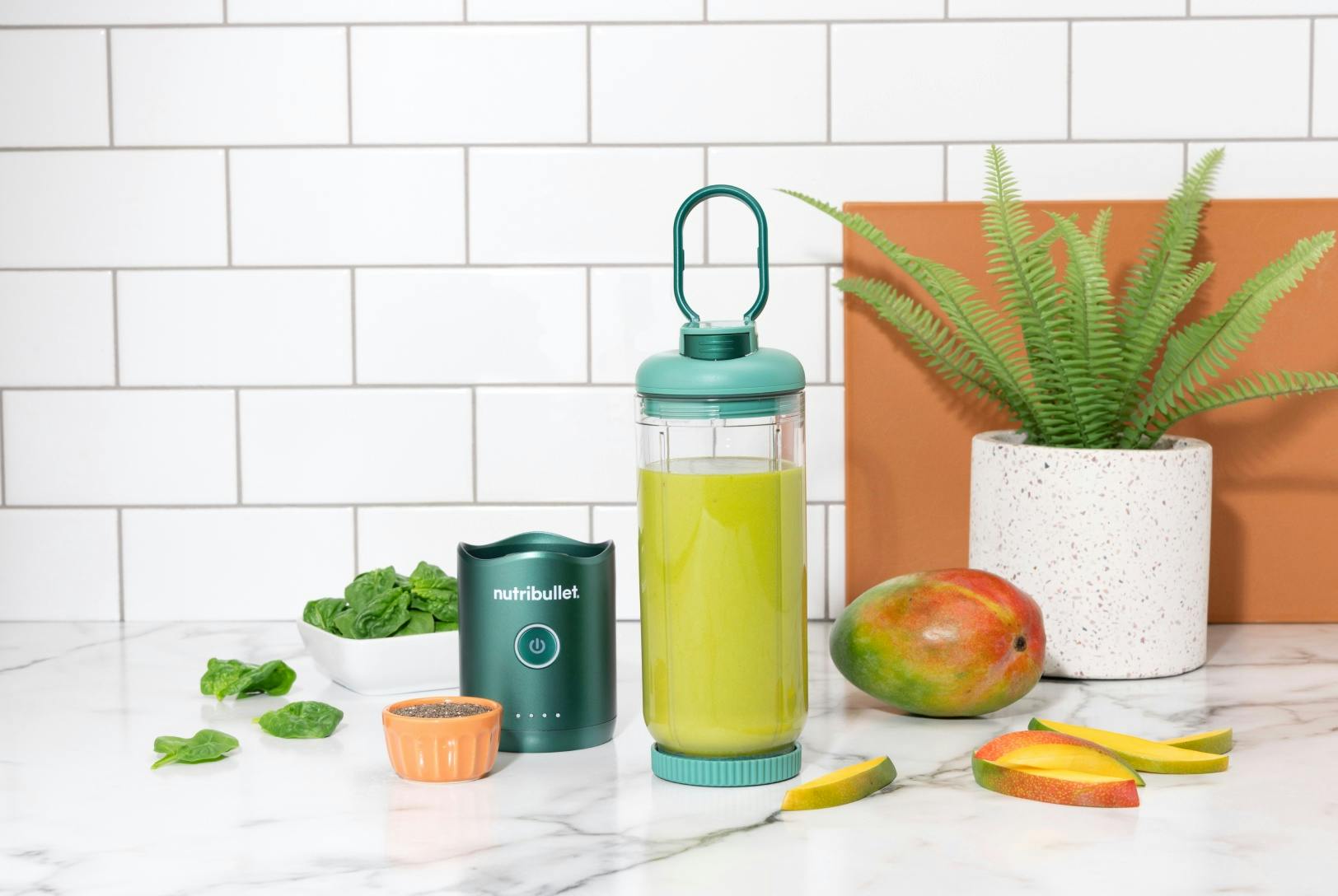
Start your day on a high note with this nutritiously cheerful blend of greens, mango, banana, and chia seeds.