FREE shipping on US orders over $45!
Your cart is empty!
FREE 1-year warranty on all blenders and juicers
More to Consider


Taxes and discounts calculated at checkout.


FREE shipping on US orders over $45!
FREE 1-year warranty on all blenders and juicers
More to Consider
Taxes and discounts calculated at checkout.

nutribullet
November 18, 2026

nutribullet
Nutrition made easy. At nutribullet, we believe that good nutrition has the power to transform lives. Our products, from our blenders to our blends, make nutrition fun and hassle-free for any lifestyle. So, if you're looking for a simple way to be healthy, we've got you covered.
Shopping for a blender? You’ve probably noticed that wattage is one of the first specifications manufacturers highlight. But what does blender wattage actually mean, and how many watts do you really need?
Blender wattage can be a helpful indicator of how much electrical power a blender uses. Generally speaking, a higher-wattage blender offers more power to work with when tackling demanding recipes or tough ingredients.
But here’s the thing: higher wattage doesn’t automatically equate to a better blender. Blade design, container shape, motor efficiency, cooling, and speed controls all play a role in how well a blender performs.
Whether you’re making a quick morning smoothie, blending a creamy soup, or experimenting with homemade dips, understanding wattage can help you find a blender that fits your everyday routine.
Let’s break down what those numbers mean and how to choose the right blender for your needs.
A watt is a unit of measurement for electrical power. When you see a blender advertised as 700 watts or 1,200 watts, that number typically describes how much electrical power the appliance draws from an outlet under specified operating conditions.
It’s important to understand that electrical power consumption isn’t the same as the mechanical power or force delivered to the blades. Two blenders with the same wattage can perform quite differently.
Think of wattage as one piece of the puzzle. It gives you a general idea of a blender’s power requirements, but it doesn’t tell you everything about how effectively the blender will process your ingredients.
A well-designed blender with a thoughtfully engineered blade system and container can sometimes outperform a higher-wattage model with less effective ingredient circulation.

Higher wattage can be an advantage, especially if you regularly blend challenging ingredients. It generally provides more electrical power to support demanding tasks, such as processing frozen fruit, crushing ice, or blending thick mixtures with relatively little liquid.
However, wattage alone isn’t a reliable measure of blender quality.
Several factors influence real-world performance:
For example, a blender with a powerful motor may still struggle with a thick mixture if ingredients become trapped above the blades. Meanwhile, a thoughtfully designed blender with a lower wattage may handle everyday smoothies with ease.
The takeaway? Choose wattage based on what you plan to blend, then evaluate the blender as a complete system.
For many households, 600–900 watts is a practical starting point for everyday blending, while roughly 1,000–1,500 watts offers greater versatility for more demanding recipes.
These ranges are guidelines, not strict performance thresholds. The right choice depends on your ingredients, serving sizes, blending habits, and the design of the blender itself.
Here’s a quick overview to help you narrow down your options.

If your blending routine revolves around protein shakes, yogurt smoothies, salad dressings, or soft fruits like bananas and berries, a lower-wattage blender may be all you need.
Blenders in the 300–600-watt range are generally best suited to recipes with plenty of liquid and relatively soft ingredients. They’re often convenient for simple, everyday blends and drinks you can take with you in a to-go cup.
Keep in mind that these models may need extra liquid or smaller ingredient pieces to achieve a smooth consistency.
Best for:
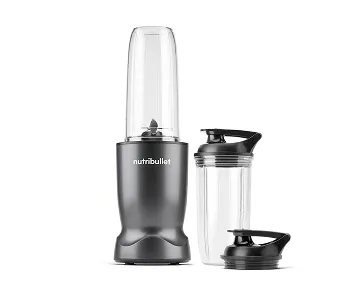
nutribullet® models to explore:
These portable options are designed around convenience, making them worth considering if you want to blend and enjoy a drink away from the kitchen.

For many people, this range offers a great balance of everyday performance and versatility. Blenders in the 600–900-watt range can handle a wide variety of recipes, including fresh-fruit smoothies, protein shakes, sauces, and even smoothies made with ice and frozen fruit.
A well-designed 900-watt blender can blend ice and frozen ingredients, making it a great option for anyone who enjoys a refreshing smoothie or frozen drink. As with any blender, performance depends on factors like blade design, container shape, ingredient proportions, and the amount of liquid in your recipe.
If you frequently make extra-thick smoothies, blend large quantities of fibrous greens, or tackle dense mixtures, you may want to explore higher-wattage models for additional power headroom.
Best for:
nutribullet® models to explore:
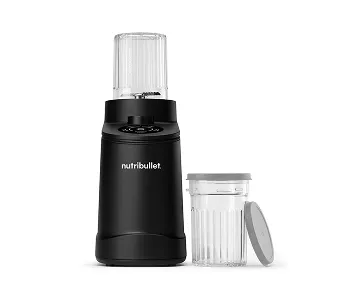
The nutribullet Personal Blender offers a practical option for everyday single-serving blends.

If your ideal smoothie includes tough frozen fruits and vegetables, ice, or other ingredient-dense additions, this range offers the power to support regular blending.
Blenders in this category can be a good fit for thicker smoothies and recipes that place more demands on the motor. However, results still depend on ingredient proportions, liquid levels, blade design, and the blender’s recommended uses.
Best for:
nutribullet® models to explore:
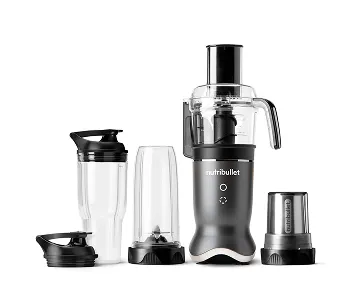
One important note: wattage categories naturally overlap. The nutribullet Turbo sits in the middle at 1,000 watts, while the nutribullet Pro+, Ultra, and Blender Combo offer 1,200 watts of power for additional headroom.
If you make smoothies most mornings and regularly use frozen ingredients, these models are worth comparing based on their features, capacity, and intended uses.
For frequent blending of dense mixtures, a high-performance blender may be a worthwhile investment.
The 1,200–1,500+ watt range can be a strong fit for people who regularly prepare thick smoothies, hummus, frozen desserts, nut butters, or recipes that require substantial blending power. Depending on the model, these types of blenders may also offer features designed to support more demanding food preparation.
However, even a high-wattage blender isn’t automatically suitable for every task. Repeated ice crushing, thick mixtures, and low-liquid recipes require the right combination of motor performance, blade design, ingredient circulation, cooling, and controls.
Always check the manufacturer’s instructions before attempting demanding recipes.
Best for:
nutribullet® models to explore:
When comparing these models, pay attention to how the manufacturer describes the wattage. For example, the nutribullet Power Core XL is listed with 1,400 watts of peak power. Peak power and rated power describe different things, so these figures aren’t always directly comparable. When shopping for a blender, check how the manufacturer defines its power rating rather than comparing wattage numbers alone.
Ultimately, the best choice is the model that combines appropriate power with the features you need for the recipes you make most often.
Smoothies are one of the most common reasons people buy a blender, but the ingredients you use make a big difference in how much power you’ll need.
A smoothie made with a ripe banana, protein powder, milk, and yogurt is much easier to blend than one packed with frozen strawberries, ice, kale, chia seeds, and nut butter.
Here’s a general guide to help you choose.
| Type of smoothie | Suggested wattage | What to consider |
| Protein shakes and soft-fruit smoothies | 300–600 watts | Plenty of liquid and softer ingredients make blending easier. |
| Everyday fruit smoothies with some frozen fruit | 600–900 watts | Ingredient proportions and the amount of frozen fruit matter. |
| Smoothies with substantial frozen ingredients or ice | 900–1,200+ watts | Look for a blender specifically designed to handle these ingredients. |
These ranges are practical starting points, not guarantees of performance. A well-designed blender at the lower end of a range may perform better than a less effective model with a higher wattage.
Our advice? Choose a blender for smoothies based on the toughest ingredients you regularly include, not the softest ones. If your daily routine includes frozen fruit and leafy greens, investing in a higher-wattage blender may make sense. If you primarily blend protein shakes and fresh fruit, you may not need it.
And remember, adding an appropriate amount of liquid, cutting ingredients into manageable pieces, and following the manufacturer’s instructions can make blending easier, too.

Good news: you don’t necessarily need a high-powered blender to make delicious soups and sauces.
Cooked vegetables are generally softer than raw, fibrous ingredients, so pureeing them in a blender is often easier. A moderate-wattage blender may work beautifully for tomato sauce, creamy vegetable purées, salad dressings, and other liquid-rich recipes.
Your ingredients and desired texture matter just as much as wattage. For example, blending a thin tomato sauce is a very different task from processing a thick, concentrated vegetable mixture.
Before choosing a blender for soups, there’s one particularly important detail to check: whether the blender and its specific container are approved for hot liquids.
Personal blenders and sealed blending cups are not made to handle hot ingredients, unless they come with a vented attachment specifically designed to do so. Pressure can build inside a sealed container when hot liquids release steam, which can lead to spills or burns.
If you plan to blend soups directly, check the manufacturer’s instructions for temperature limits, container compatibility, and safe operating procedures. Some blenders are intended for room-temperature or cooled ingredients only. An immersion blender can be another way to blend soup right in the pot, as long as the manufacturer approves it for hot ingredients.
A higher wattage does not automatically make a blender safe for hot liquids.
Thick mixtures are where choosing the right blender becomes especially important.
Unlike a smoothie with plenty of liquid, recipes such as hummus, pesto, nut butter, and frozen desserts can create substantial resistance around the blades. Ingredients may also stop circulating, leaving the blades spinning without effectively processing the mixture.
For occasional pesto, salsa, or pourable dips, a blender in the 700–1,000-watt range may be sufficient, depending on the recipe and design.
If you regularly make hummus, nut butter, frozen desserts, or other thick blends, a higher-wattage blender (around 1,200–1,500 watts or more) may be a good choice.
However, these tasks also depend heavily on the blender’s circulation, container shape, controls, and manufacturer-approved uses.
A few things to keep in mind:
One final consideration: nut butters and other very thick mixtures may not be suitable for every blender, regardless of wattage. Always check the manufacturer’s guidance before attempting them.
Wattage is a useful starting point, but the best way to evaluate a blender is to look at the complete package.
Motor strength matters, but so do the parts and features that determine how effectively the blender uses that power. Here are five factors worth considering before you buy.
Blender blades do more than spin. Their design, positioning, and relationship to the container help determine how ingredients move through the blending zone.
The container itself also plays an important role.
A well-designed blending cup or pitcher encourages ingredients to circulate back toward the blades. This movement helps create a consistent blend rather than leaving chunks sitting above the blades or ingredients stuck along the sides.
For example, a blender may have plenty of wattage on paper, but if frozen fruit repeatedly becomes trapped away from the blades, you may still struggle to achieve a smooth result.
When comparing models, look at how the manufacturer has designed the blade system and container for the recipes you want to make.

More power doesn’t always mean more control.
Different recipes benefit from different blending speeds. A lower speed may be helpful when combining ingredients gently, while a higher speed may be appropriate for achieving a smoother consistency.
A pulse function provides short bursts of blending, which can help with tasks such as breaking up ingredients, controlling texture, and moving ingredients around the container.
Depending on the model, you may also find automatic blending programs or presets designed for specific recipes.
If you enjoy experimenting in the kitchen, look for controls that make it easy to adjust the blending process to suit your ingredients.
How much you blend at once should influence your decision just as much as wattage.
Personal blenders are convenient for single-serving smoothies, quick protein shakes, and smaller portions. They’re often compact and easy to store, making them a practical choice for smaller kitchens or busy mornings.
A full-size blender with a larger pitcher may be a better fit if you regularly prepare smoothies for the family, blend sauces in batches, or make soups for several people.
It’s also important to consider minimum and maximum fill levels. Some blenders may not process very small quantities efficiently in a large container, while personal cups may be too small for larger recipes.
Think about your typical serving size before deciding which format makes the most sense.
Blending puts demands on a motor, particularly when you’re working with dense ingredients or running multiple batches.
Motor cooling helps manage heat during operation, while thermal protection and overload safeguards can help protect the appliance when it becomes too hot or experiences excessive strain.
These features are particularly relevant if you frequently make thick smoothies, frozen desserts, or other demanding recipes.
It’s also worth checking the manufacturer’s recommended operating times and rest periods. A high-wattage blender isn’t necessarily designed to run continuously for long periods.
If you plan to blend frequently, pay attention to the manufacturer’s guidance on durability, cooling, and appropriate use, as it has a direct effect on how long blenders last.
Finally, consider the features that will make your everyday routine easier.
Depending on your needs, useful features may include:
The bottom line? The best blender isn’t necessarily the one with the biggest wattage number. It’s the one that combines the right amount of power with the features, capacity, and design that fit your life.
If you’re still deciding, start with a simple question: What’s the most demanding thing you realistically plan to blend?
It’s easy to get caught up in comparing specifications, but your everyday habits are often the best guide.
Here’s a quick way to narrow down your options.
Remember, wattage is just one factor. A blender’s design and intended uses also play an important role in how well it performs.
Once you’ve identified your preferred wattage range, compare a few other important factors:
If possible, look for demonstrations using the actual ingredients you blend most often. A smoothie demonstration with fresh bananas tells you less about performance with frozen strawberries and kale than a demonstration using those tougher ingredients.
The goal isn’t to buy the most powerful blender available. It’s to find a blender that handles your everyday recipes comfortably, without paying for features you won’t use.
So, what’s a good wattage for a blender?
For everyday blending, 600–900 watts can be a great place to start. If you regularly blend frozen fruit, leafy greens, ice, or thicker mixtures, a blender with around 1,000–1,500 watts may offer greater versatility.
But remember, there’s no single best wattage for everyone. Your ideal blender depends on what you make, how often you blend, how much you prepare at once, and which features matter most to you.
The good news is that you have options.
Whether you’re looking for a convenient personal blender for your morning smoothie or a more versatile appliance for experimenting with new recipes, nutribullet® offers models across a range of wattages and formats.
Take a look at the available options, compare their features and intended uses, and choose the blender that best fits your everyday routine.
Ready to find your match? Explore nutribullet® blenders and discover the right fit for your kitchen.
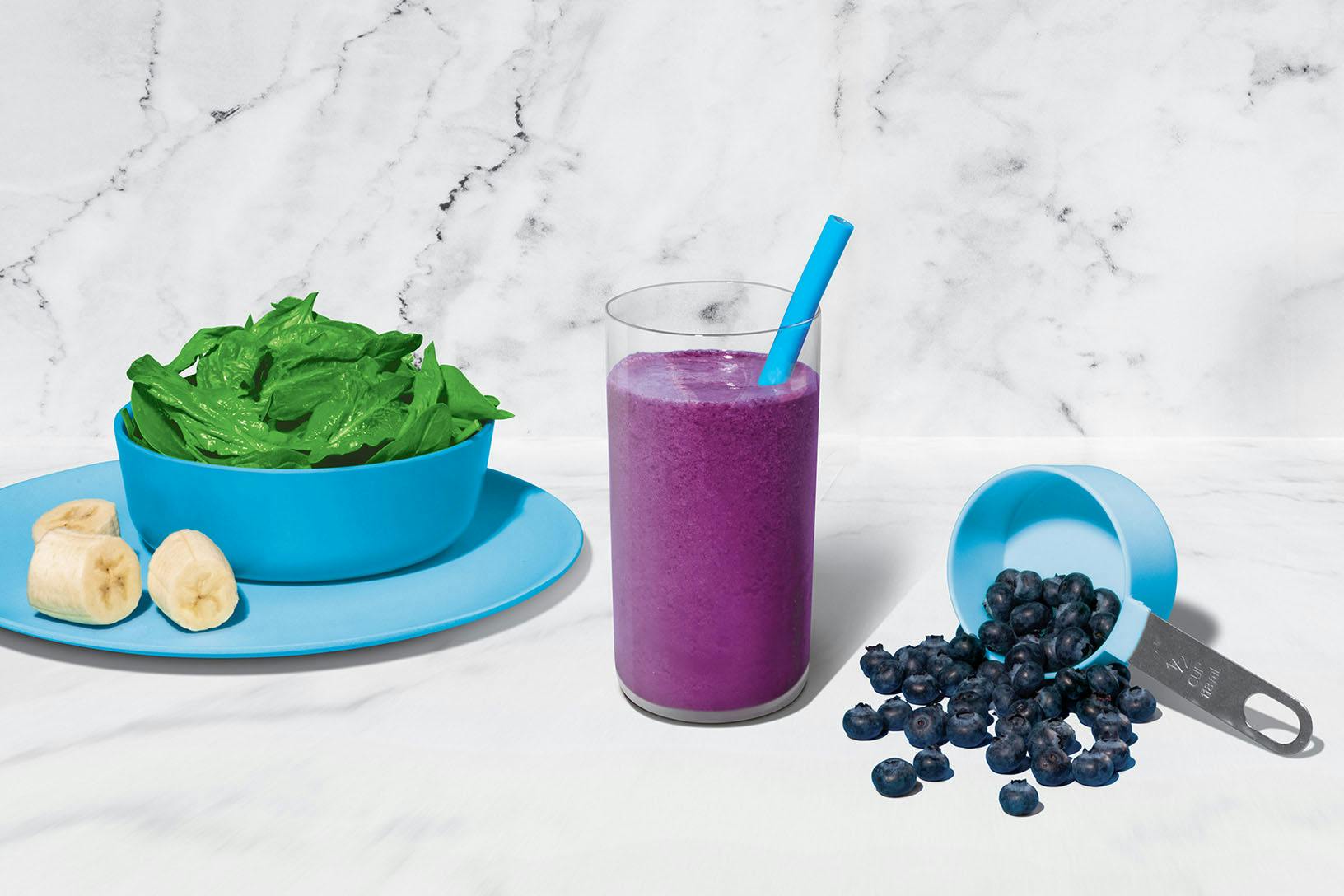
Is there such a thing as a perfect smoothie? This sweet medley certainly makes a strong case. With a classic combination of blueberries, banana, and spinach, this superstar smoothie provides a powerful nutrient boost!
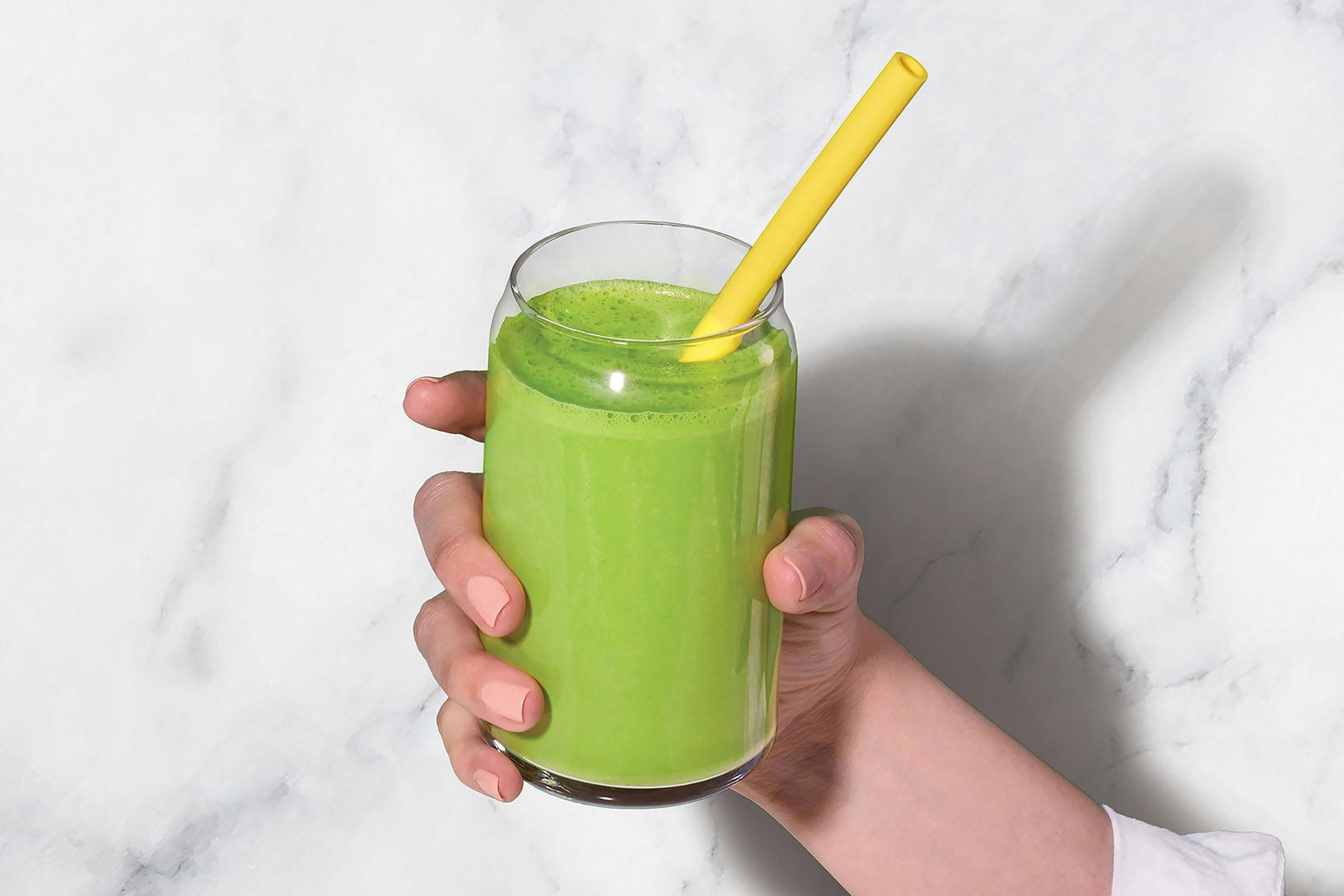
Consider this blend the little black dress of nutribullet smoothies: it never goes out of style. To help keep your energy stable throughout the day, aim to balance your meals and snacks with high-quality protein, healthy fats, and fiber-filled carbs – like this combo of Greek yogurt, peanut butter, fruit, and veggies. There’s a reason this one is always on-trend.
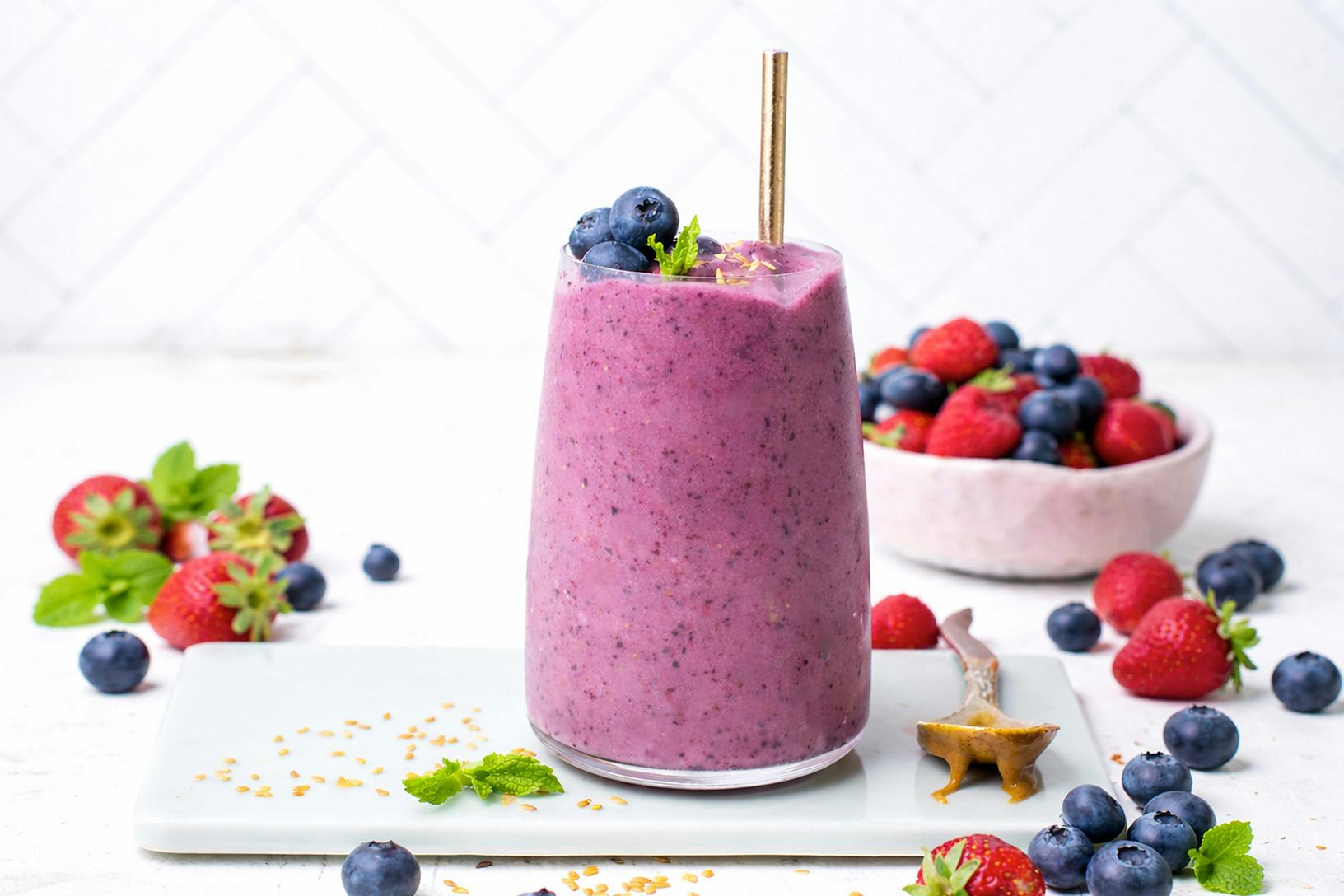
Start your day with an amazing dose of fiber and protein with this berry-liciousand super-nutritious big-batch smoothie.