FREE shipping on US orders over $45!
Your cart is empty!
FREE 1-year warranty on all blenders and juicers
More to Consider


Taxes and discounts calculated at checkout.


FREE shipping on US orders over $45!
FREE 1-year warranty on all blenders and juicers
More to Consider
Taxes and discounts calculated at checkout.

nutribullet
November 18, 2026

nutribullet
Nutrition made easy. At nutribullet, we believe that good nutrition has the power to transform lives. Our products, from our blenders to our blends, make nutrition fun and hassle-free for any lifestyle. So, if you're looking for a simple way to be healthy, we've got you covered.
Shopping for a blender sounds simple enough—until you start looking and realize there are several different types. Personal blenders, full-size blenders, portable blenders… and what exactly is a blender combo, anyway? If you’re trying to find the best fit for your kitchen, it helps to understand the differences.
The good news is, it’s not too complicated when you learn to recognize the basic blender models. This guide breaks down five types of blenders, what each one does best, and who might benefit most from having one. Whether you’re looking to make quick morning smoothies, prepare dinner for the family, or blend a soup from scratch, this guide will help you get a clearer sense of which blender is best for the job.

You can find your match in under a minute by starting with the way you plan to use your blender most often.

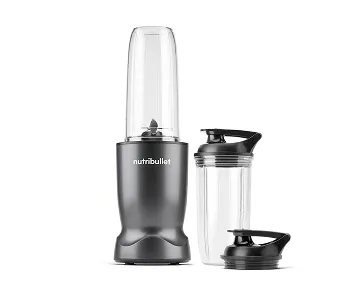
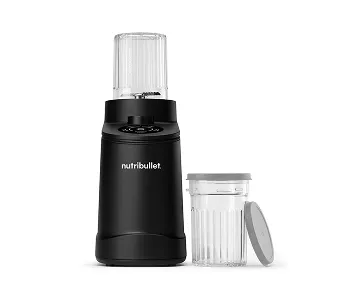
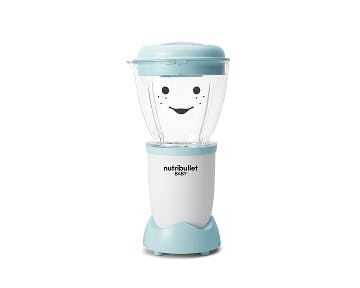
A personal blender is a compact blender designed primarily for single servings. It’s also commonly called a single-serve blender. Most models come with a blending cup, which functions both as the container you blend in and the cup you sip from, rather than a traditional large pitcher or blender jar.
Here’s how it works: Add your ingredients to the cup, screw on the blade assembly, and attach the cup to the motor base, often by flipping it upside down. Once blending is finished, you can typically remove the blade assembly and replace it with a twist-on to-go lid, depending on the model.
Personal blenders are especially handy for:
The biggest advantage of a personal blender is convenience. You can blend a drink, take it with you in a compatible cup, and avoid washing a separate serving glass. Many models also have fewer pieces to clean than a full-size blender, which adds to their ease of use.
The tradeoff is capacity. A personal blender isn’t designed to make large pitchers of smoothies for the whole family, and some recipes may require multiple batches. Personal blending cups should also never be used to blend hot or warm ingredients, since they are small and sealed with no ventilation. Steam can build up pressure inside the sealed container during blending, potentially causing it to rupture or explode.
If single-serving smoothies are your main priority, explore the nutribullet personal blender collection.

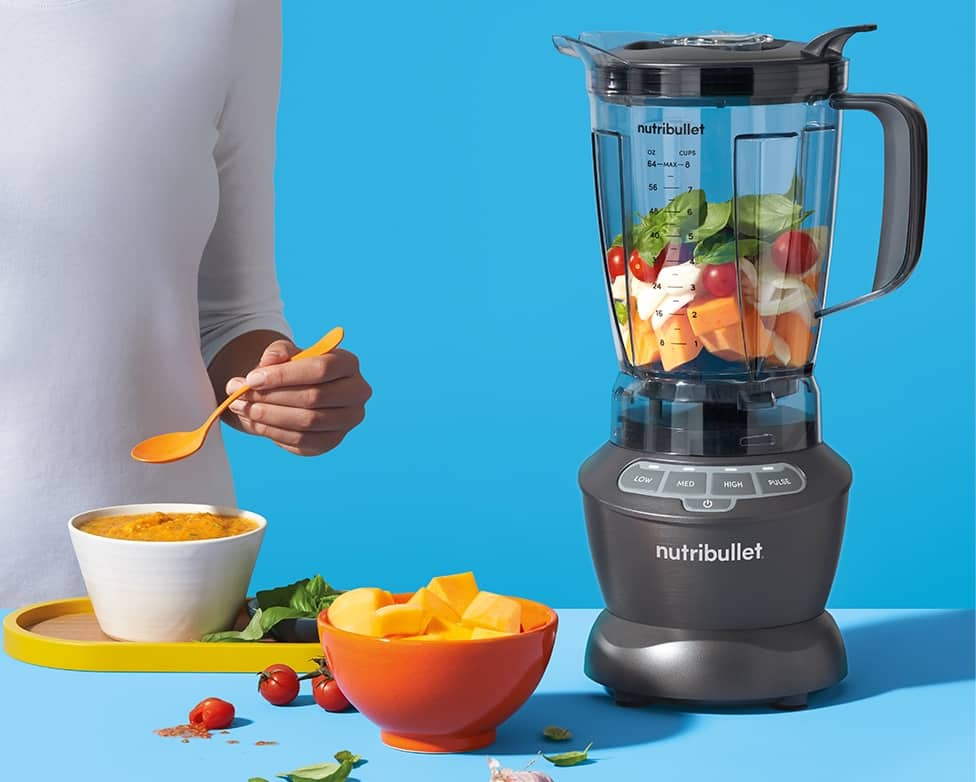
A full-size blender is a countertop kitchen appliance with a motor base and a larger blending container, usually called a pitcher, that holds ingredients while they blend. The pitcher generally has a handle and a lid, making it easier to pour the finished recipe into bowls, glasses, or storage containers.
Some full-size blenders have a vented lid, which includes an opening that allows steam to escape during blending. This feature is important for models specifically designed to blend hot ingredients because steam can build up pressure inside a closed container.
Full-size blenders are a good fit for:
The main advantage is space and more options for culinary uses. A larger pitcher gives ingredients more room to move and lets you prepare several servings at once. Depending on the model, features such as multiple speed settings, pulse controls, or preset programs can also help with different recipes.
The downside? Full-size blenders take up more counter or cabinet space, and their pitchers, lids, and blade assemblies can mean more cleanup, so it helps to know how to clean a blender properly after each use.
Can a full-size blender handle hot soup? Some can, but not all. Check the specific model’s user manual before blending hot ingredients. Only use a blender for hot liquids when the manufacturer explicitly permits it and follow its instructions for filling, venting, and blending.
Compare options in the nutribullet full-size blender collection.

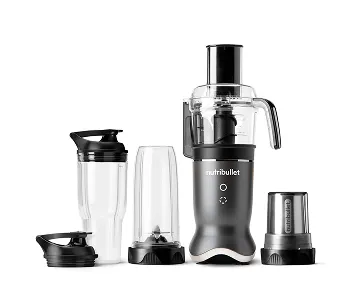
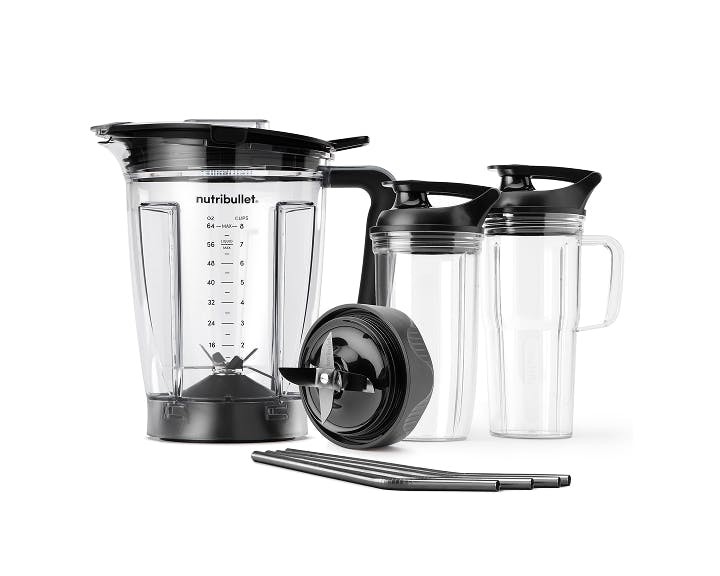
A blender combo combines the features of a full-size blender and a personal blender in one system. Typically, both the larger pitcher and the personal blending cup attach to the same motor base, so you can switch between single servings and larger batches without buying two separate appliances.
A combo may be a good fit if you:
Imagine using the personal cup for your weekday breakfast smoothie, then switching to the pitcher on the weekend to prepare a batch of smoothies or a sauce for dinner. That flexibility and versatility are the main appeal.
The tradeoff is storage. A combo comes with multiple containers and accessories, so it may take up more cabinet space than a personal blender or full-size blender alone. You’ll also have more parts to wash and keep track of.
Remember that not every combo model supports every blending task. If you plan to blend hot ingredients, check the manual for the specific pitcher and model. Never assume that because the pitcher is suitable for a particular hot recipe, the personal cup is, too.
Explore the nutribullet blender combo options to see whether a combination system fits your routine.

An immersion blender, sometimes called a hand blender or stick blender, is a handheld appliance with a blending blade at the end of a long shaft. Instead of placing ingredients in a separate blender container, you lower the blending end directly into a pot, bowl, or suitable cup.
This design makes immersion blenders particularly useful for:
One of the biggest benefits is less transferring. If you’re making a vegetable soup, for example, you can often blend it right in the pot instead of pouring it into a pitcher and transferring it back again. Fewer steps can mean fewer dishes to wash.
Immersion blenders are also compact and easy to store in a drawer or cupboard. Some models include attachments, such as a whisk, that make them useful for additional kitchen tasks.
Their limitation is that they aren’t generally the best choice for thick, frozen smoothies or recipes that require substantial ice crushing. A traditional blender is usually better suited to those jobs.
When blending hot soup, use the immersion blender according to its manual, keep the blade submerged to reduce splashing, and take care around hot liquids. Never place an electrical motor body in water.
For a more detailed comparison, read our guide to Immersion Blender vs Blender.

A portable blender is a compact, rechargeable blender designed for blending away from a kitchen outlet. Because it runs on a battery, you can use it in places such as the gym, office, dorm room, or while traveling, provided you have a safe, suitable place to operate it.
Portable blenders are best for:
The main draw is freedom from a power cord. Depending on the design, the cup may also have a travel lid or handle, so you can blend your drink and carry it with you.
There are a few tradeoffs to keep in mind. A portable blender’s battery can power only a limited number of blending cycles before it needs recharging. How many cycles you’ll get depends on the model, ingredients, and how you use it.
Portable blenders can also be less suited to blend thick smoothies or tough ingredients than a countertop blender. However, capabilities vary: some models are specifically designed to handle frozen fruit or ice, so check the product specifications and instructions rather than assuming all portable blenders perform the same way.
Hot liquids should not be blended in a portable cup unless the manufacturer explicitly says the model is designed for that purpose. For nutribullet portable blenders, follow the product instructions and do not blend hot or warm liquids.
If you want to blend wherever the day takes you, browse the nutribullet portable blender collection.
The easiest way to compare blender types is to consider how much you typically blend, where you plan to use the appliance, and whether you need to work with hot ingredients.
| Blender Type | Capacity | Best Use | Hot Ingredients | Storage Space | Portability |
| Personal | Single serving | Smoothies and shakes | No hot ingredients | Compact | Easy–to–carry cup |
| Full-size | Multiple servings | Batches, sauces, smoothies | Model-dependent | Larger | Countertop use |
| Combo | Single servings to batches | Everyday and family blending | Pitcher/model-dependent | More accessories | Mostly countertop |
| Immersion | Pot or bowl | Soups, sauces, purees | Suitable models; follow manual | Very compact | Handheld, corded or model-dependent |
| Portable | Single serving | On-the-go drinks | No hot ingredients | Very compact | Designed for travel |
A quick safety reminder: Hot-ingredient guidance is model-specific. Never blend hot liquids in a sealed personal or portable cup. For a countertop blender, use hot ingredients only if the manufacturer’s instructions explicitly allow it, and follow the directions for the lid, venting, and maximum fill level. An immersion blender can be used in a pot of soup when the model’s instructions permit it, and appropriate precautions are followed.
Knowing how to choose a blender starts with your everyday routine, whether you’re making one smoothie at a time, cooking for a crowd, working with limited storage, or blending away from home.
Choose a personal blender for your everyday smoothie routine. It’s a practical choice for single servings made with frozen fruit, greens, protein powder, or nut butter, and a compatible travel cup can make your morning routine easier. If you want to blend at the gym, office, or on the road without a power outlet, a portable blender is the better fit—as long as its blending capabilities match your ingredients.
Choose a full-size blender or a blender combo. A full-size pitcher is useful for preparing multiple servings of smoothies, sauces, and other recipes, while a combo gives you the option of making single servings, too. If soups and sauces are a regular part of your cooking, an immersion blender is a helpful companion: it can blend soup directly in the pot and handle small jobs such as dressings and aioli.
Choose a personal blender for everyday drinks or an immersion blender for cooking tasks. Both are compact alternatives to a full-size countertop blender, and a portable blender can be particularly convenient if you also want to blend away from home. Keep in mind that a combo includes a pitcher, cups, and additional accessories, so it usually requires more cabinet space than a single personal blender.

Choose a portable blender. Its rechargeable battery lets you make a smoothie or protein shake in places where you don’t have access to an outlet. Just remember that battery life is limited, and thicker blends or lots of ice may be harder to manage depending on the model. Check its cycle specifications and ingredient guidelines before you buy.
The best blender is the one that fits the way you actually cook and eat. A personal blender is a convenient choice for everyday single servings; a full-size blender is better for larger batches; a blender combo gives you both formats in one system; an immersion blender makes soups and sauces easier to blend directly in the pot; and a portable blender brings blending beyond the kitchen. Explore the nutribullet blender lineup to compare the available styles and find the one that makes sense for your routine.
A personal blender is designed mainly for single servings and usually blends ingredients in a compact cup that may double as a drinking container. A regular full-size blender uses a larger pitcher for multiple servings, making it a better fit for family smoothies, sauces, and bigger batches. Personal blenders save space, while full-size models offer greater capacity and often more versatility.
No. Only use hot ingredients in a blender when the specific model’s instructions explicitly allow it. Some full-size blenders are designed for hot blending and have vented lids, while an immersion blender can often blend soup directly in an appropriate pot. Never blend hot liquids in a sealed personal blending or portable blending cup. Always follow the manufacturer’s directions for temperature, filling, and safe operation.
Not necessarily. Motor power matters, but liquid and blade design matter, too. Ice needs enough liquid to move around the blades; otherwise, the ingredients can stall and strain the motor. Add ingredients in the order recommended by your model’s instructions, and check the manual for ice limits. Not every blender is designed to crush ice, so confirm its capabilities before trying.
It depends on what you make most often. An immersion blender is excellent for pureeing soups, blending sauces, and handling small kitchen tasks directly in a pot or bowl. It can also reduce cleanup because you don’t need to transfer ingredients to a separate pitcher. For thick frozen smoothies, large batches, or recipes with lots of ice, a countertop blender is usually the better choice.
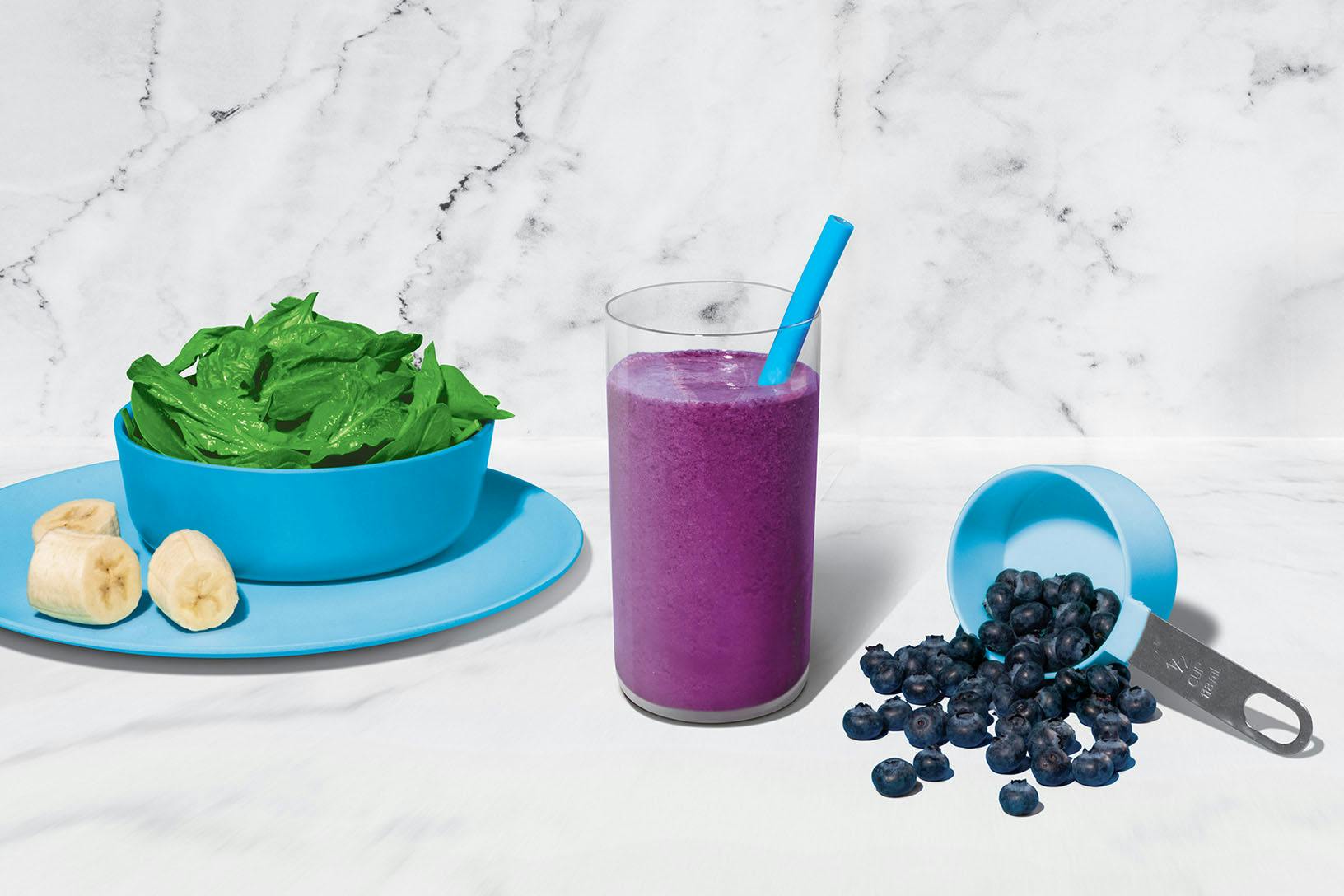
Is there such a thing as a perfect smoothie? This sweet medley certainly makes a strong case. With a classic combination of blueberries, banana, and spinach, this superstar smoothie provides a powerful nutrient boost!
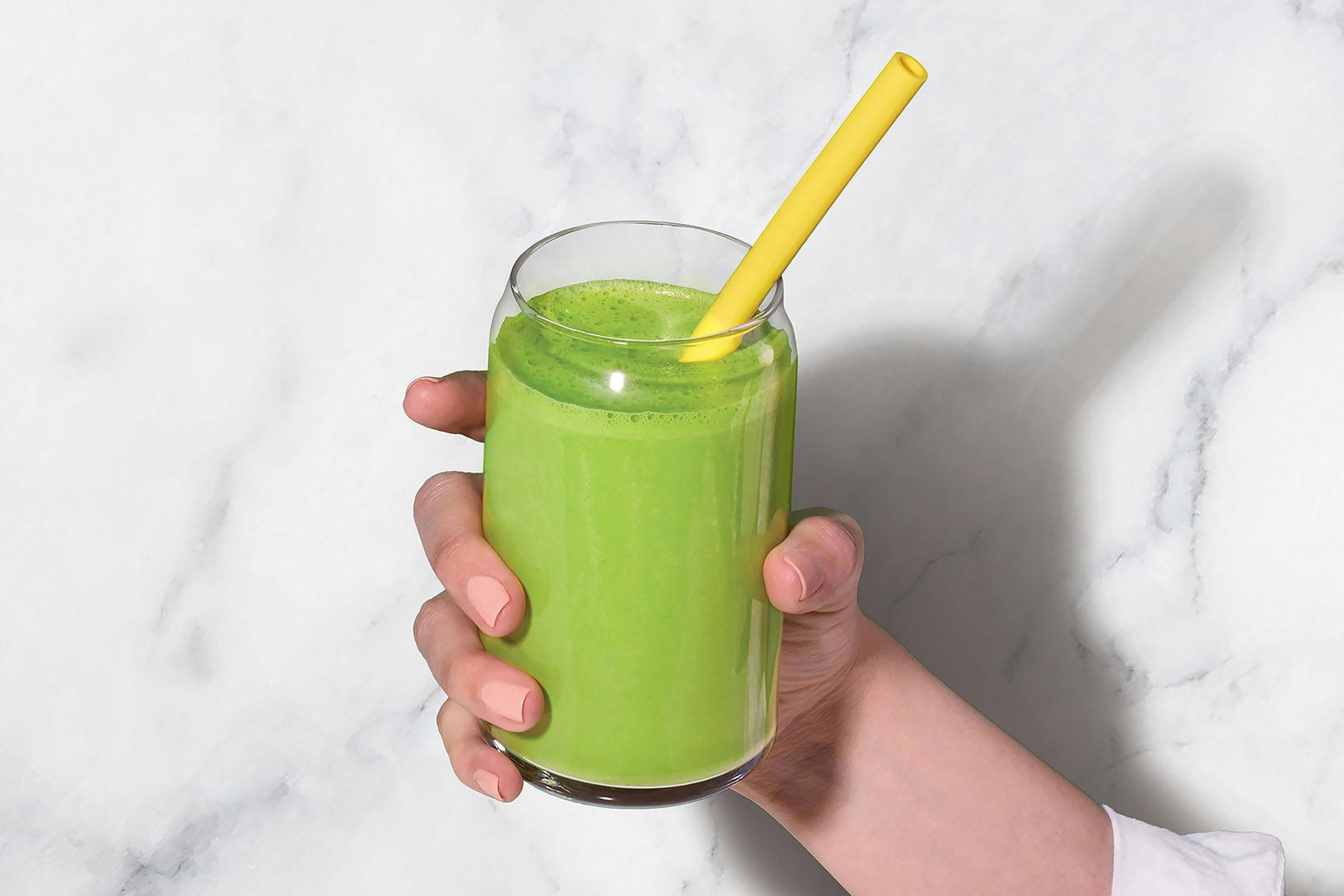
Consider this blend the little black dress of nutribullet smoothies: it never goes out of style. To help keep your energy stable throughout the day, aim to balance your meals and snacks with high-quality protein, healthy fats, and fiber-filled carbs – like this combo of Greek yogurt, peanut butter, fruit, and veggies. There’s a reason this one is always on-trend.
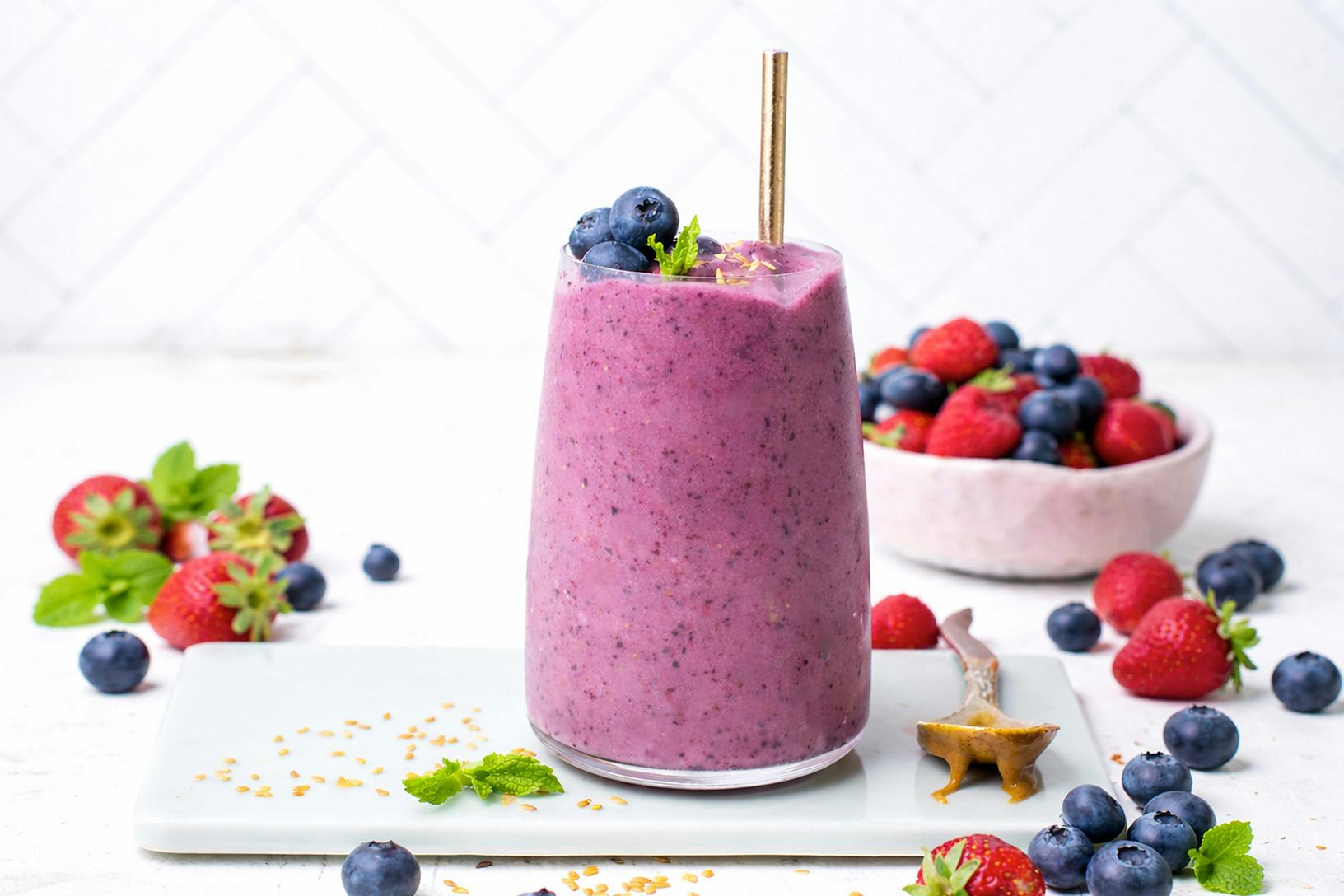
Start your day with an amazing dose of fiber and protein with this berry-liciousand super-nutritious big-batch smoothie.