FREE shipping on US orders over $45!
Your cart is empty!
FREE 1-year warranty on all blenders and juicers
More to Consider


Taxes and discounts calculated at checkout.


FREE shipping on US orders over $45!
FREE 1-year warranty on all blenders and juicers
More to Consider
Taxes and discounts calculated at checkout.

nutribullet
January 29, 2026

nutribullet
Nutrition made easy. At nutribullet, we believe that good nutrition has the power to transform lives. Our products, from our blenders to our blends, make nutrition fun and hassle-free for any lifestyle. So, if you're looking for a simple way to be healthy, we've got you covered.
Vitamin D is unique among nutrients: rather than relying only on food, our bodies are designed to make it. When sunlight hits our skin, it sparks a chemical reaction that allows us to produce vitamin D—something no other vitamin can do.
However, this built-in system isn’t always reliable, especially in the winter months. Shorter days, lower sun angles, and more time spent indoors can significantly reduce how much vitamin D we produce—making deficiency far more common in cold climates than many people realize.
Understanding what vitamin D does, how much you need, and how to get enough will empower you to keep your system nourished with this important nutrient.
What Is Vitamin D?
Vitamin D is a fat-soluble hormone widely known for its role in helping the body absorb calcium, which supports strong bones and healthy teeth. However, its benefits extend beyond the skeletal system.
Research shows that vitamin D also plays a role in heart health, muscle function, metabolic function, immune response, and inflammation management. Scientists are continuing to explore its connection to autoimmune conditions, mood, and long-term disease prevention as well.
How Much Vitamin D Do We Need?
Daily vitamin D needs vary by age:
Infants: 400 IU
Children and adolescents: 600 IU
Adults ages 19–70: 600 IU
Adults over 70: 800 IU
Some people may require higher amounts, especially if they live in areas with low sunlight, if they have darker skin or absorption issues, or if they’ve been diagnosed with a deficiency. In those cases, a healthcare provider can recommend safe supplementation.
Why Vitamin D Deficiency Is So Common
Because our primary source of vitamin D is sunlight, levels often drop in fall and winter when days are shorter, darker, and colder and we spend less time outdoors. Cold weather, indoor lifestyles, sunscreen use, and living at northern latitudes all make it harder for the body to produce enough.
The good news? Deficiency is common—but it’s also preventable. With the right combination of sunlight, food, and supplementation when needed, you can protect your vitamin D levels year-round.
What Foods Contain Vitamin D?
Vitamin D occurs naturally in only a handful of foods, including:
Fatty fish such as salmon, sardines, and mackerel
Fish liver oils
Egg yolks
Some cheeses
Certain mushrooms exposed to light during cultivation (often labeled as such)
For most people in the U.S., however, fortified foods provide the largest dietary source of vitamin D. These include milk, yogurt, cereals, and orange juice.
From Nutrients to Meals: Bringing Vitamin D Into the Kitchen
Knowing which foods contain vitamin D is just the beginning. The next step is making them part of your everyday meals in ways that feel easy and enjoyable.
Try these simple, nourishing recipes to give your vitamin D levels a little love:
Salmon Burgers. We love serving these juicy salmon burgers on a bun, but they’re also great with salads, grain bowls, and other savory favorites.
Stealth Scrambled Eggs. This quick and tasty breakfast offers a hidden boost of nutrition from cauliflower—perfect for picky eaters and busy mornings alike.
Yogurt Dip. A mellow dip that adds sweetness and creaminess (plus a solid dose of protein) to fresh fruit, graham crackers, pretzels, and other dunkable snacks.
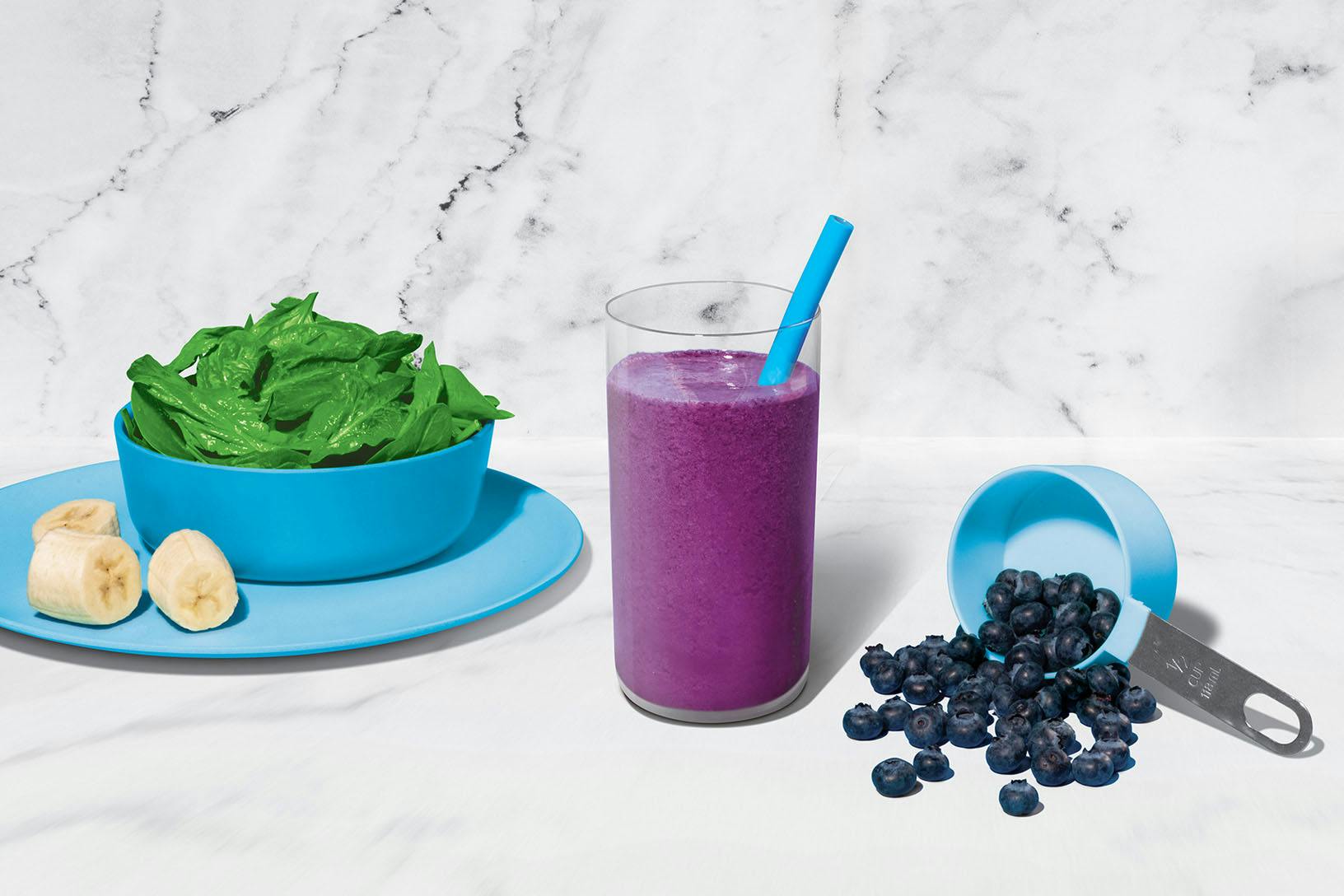
Is there such a thing as a perfect smoothie? This sweet medley certainly makes a strong case. With a classic combination of blueberries, banana, and spinach, this superstar smoothie provides a powerful nutrient boost!
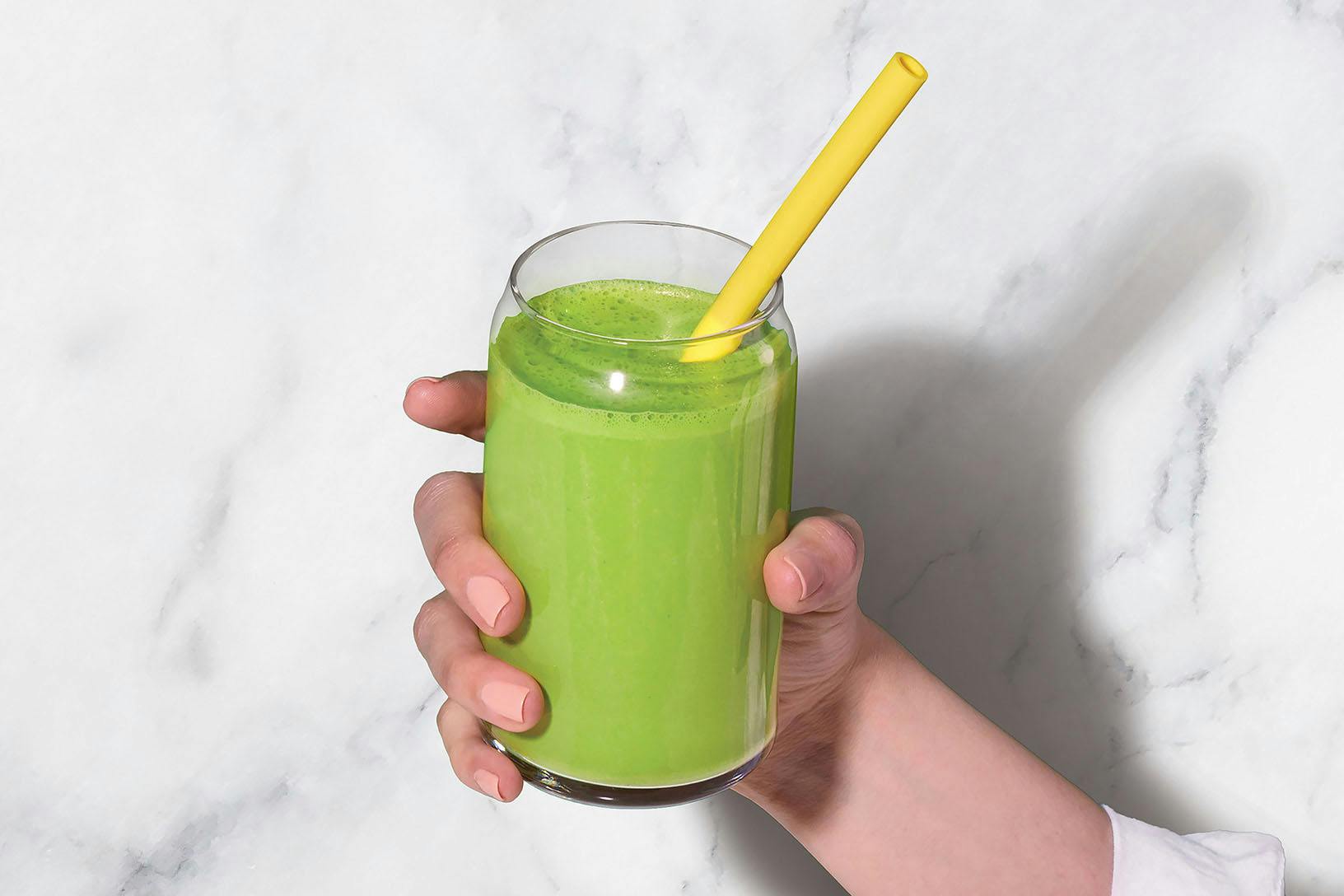
Consider this blend the little black dress of nutribullet smoothies: it never goes out of style. To help keep your energy stable throughout the day, aim to balance your meals and snacks with high-quality protein, healthy fats, and fiber-filled carbs – like this combo of Greek yogurt, peanut butter, fruit, and veggies. There’s a reason this one is always on-trend.
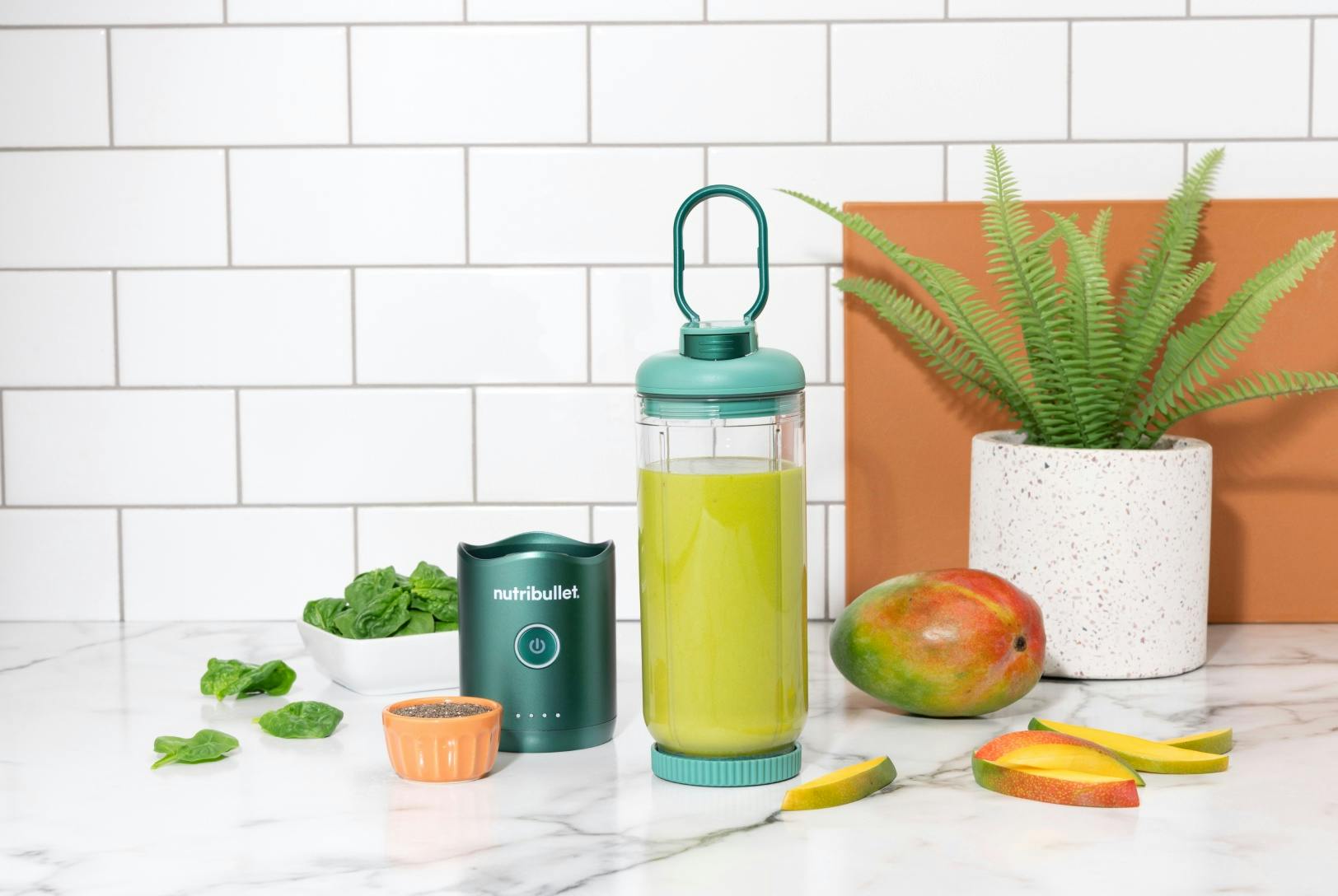
Start your day on a high note with this nutritiously cheerful blend of greens, mango, banana, and chia seeds.