FREE shipping on US orders over $45!
Your cart is empty!
FREE 1-year warranty on all blenders and juicers
More to Consider


Taxes and discounts calculated at checkout.


FREE shipping on US orders over $45!
FREE 1-year warranty on all blenders and juicers
More to Consider
Taxes and discounts calculated at checkout.

McKenzie Jones
November 18, 2026

McKenzie Jones
McKenzie is Registered Dietitian Nutritionist for nutribullet who aims to make the world a healthier, happier place. She believes that living a healthy lifestyle and eating for your health isn't meant to be complicated -- it's meant to be simple, enjoyable, and judgment-free (with room for dessert). When she’s not dishing out nutrition tidbits, you can find McKenzie visiting her local farmers market, hiking her favorite trails with her husband, and chasing after her daughters.
A great smoothie starts with great ingredients, but does it matter whether you reach for fresh or frozen fruit? From perfectly ripe strawberries to bags of frozen mango tucked away in the freezer, both have plenty to offer. The right choice can make a difference in flavor, texture, nutrition, cost, and convenience.
So, when it comes to frozen fruit vs. fresh fruit for smoothies, which one comes out on top? Let’s take a closer look at the differences and how to choose the best option for your next blend.
The truth is, both have their place in a well-stocked kitchen. And when you consider nutrition, cost, convenience, and how well each option blends, the answer isn’t quite as simple as you might think.
Let’s look at the differences between frozen and fresh fruit, when to use each, and how to get the best results from your next smoothie.
For most everyday smoothies, frozen fruit is a great all-around choice. It adds a naturally cold, thick texture without watering down your drink, and it’s convenient to keep on hand whenever a smoothie craving strikes.
Frozen fruit is particularly useful when you’re making smoothies with berries, mango, pineapple, or other fruits that might not be in season locally. Because frozen fruit is often processed near peak ripeness, it can also offer consistent flavor throughout the year.
Fresh fruit has its own advantages, though. Ripe, in-season fruit can deliver incredible flavor and aroma, and its softer texture makes it easier to blend in some lower-powered blenders. Fresh fruit is also a great way to use up produce that’s ready to eat.
So, which should you choose?
There’s no need to commit to one or the other. In fact, combining fresh and frozen fruit is one of the easiest ways to customize your smoothie.

Before we dive deeper, here’s a quick comparison of how frozen and fresh fruit stack up.
| Category | Frozen Fruit | Fresh Fruit |
| Taste | Often consistent year-round; usually frozen near peak ripeness | Can offer exceptional flavor when ripe and in season, but out-of-season or underripe fruit can taste bland or lack sweetness |
| Texture | Creates thicker, colder, frostier smoothies | Usually produces a lighter, thinner smoothie |
| Nutrition | Generally nutritionally comparable to fresh fruit | Generally nutritionally comparable to frozen fruit |
| Cost | Can be economical, especially for berries and out-of-season fruit | Can be less expensive for certain fruits, especially when in season; though fresh fruit may cost more than frozen options when out of season or when accounting for spoilage and food waste |
| Food waste | Longer storage life and easy portioning | More likely to spoil before you use it |
| Convenience | Often washed, cut, and ready to blend | May require washing, peeling, cutting, and removing pits |
| Ease of blending | Hard frozen pieces can require more power and liquid | Generally easier to process, especially for lower-powered blenders |
Neither option wins in every category. The best choice depends on the fruit you’re buying, the smoothie you’re making, and what matters most to you.
Let’s take a closer look.
If you’ve ever bitten into a perfectly ripe summer strawberry, you know just how delicious fresh fruit can be.
Fresh fruit that’s harvested at the right time and enjoyed at peak ripeness can have an incredible aroma, sweetness, and depth of flavor. When your favorite fruits are in season, using them in a smoothie is a wonderful way to enjoy their natural flavor.
But here’s something worth remembering: fresh doesn’t automatically mean more flavorful.
Fruit that’s picked early, stored for a long time, or purchased out of season may have less flavor than you expect. That’s one reason frozen fruit can be such a great option.
Many fruits intended for freezing are processed soon after harvest, often when they’re ripe. This helps preserve much of their flavor, making frozen fruit a dependable choice throughout the year.
Of course, freezing and thawing can change a fruit’s texture, and some fruits may taste or smell a little different after freezing.
Our tip: Buy fresh fruit when it’s fragrant, ripe, and in season. For everything else, keep a few bags of frozen favorites in the freezer so you’re always ready to blend.
If there’s one area where frozen fruit really shines, it’s texture.
Frozen bananas, berries, mango, and pineapple help create thick, cold smoothies that feel almost like a milkshake. Because the fruit itself provides the chill, you can often skip the ice altogether.
That’s a big advantage if you love a creamy smoothie but don’t want to dilute the flavor with melting ice.
Fresh fruit, on the other hand, typically creates a lighter, more liquid consistency. This can be perfect if you prefer a smoothie you can sip easily through a straw.
Of course, texture isn’t determined by fruit alone. Other ingredients can make a difference, too.
Try adding Greek yogurt for creaminess, chia seeds for extra body, or oats or nut butter for a more substantial blend. You can also combine fresh and frozen fruit to achieve a thicker consistency without making your smoothie too cold or dense. For more, check out our blog on how to make a smoothie thicker.
Our tip: If your fresh fruit smoothies are consistently too thin, use frozen fruit instead of ice. You’ll get a colder, thicker result while keeping more of that delicious fruit flavor.

Here’s some good news: frozen and fresh fruit are generally nutritionally comparable, so you don’t need to choose fresh fruit simply because you think it’s healthier.
Both can contribute important nutrients, including fiber, vitamins, minerals, and naturally occurring plant compounds.
Frozen fruit is often harvested when ripe and frozen relatively soon afterward, helping preserve its nutritional quality. Fresh fruit can also retain plenty of nutrients, although levels may change as it ripens and spends time in storage or transit.
The exact nutritional differences depend on the type of fruit, how ripe it was when harvested, how it was stored, and how much time passed before you ate it. Freezing and processing can also affect certain nutrients differently.
For most people, the more useful question isn’t whether fresh or frozen fruit is marginally better nutritionally. It’s which option makes it easier to enjoy fruit regularly and add more fiber to their diet, and since blending fruit doesn’t destroy fiber, either one works in a smoothie. Both fresh and frozen fruit can be nutritious choices, so the best option is the one that fits your tastes, budget, and routine.
If frozen berries help you make a smoothie every morning, that’s a wonderful reason to keep them on hand. If you love fresh peaches from the farmers market, enjoy those, too.
One simple shopping tip: Check the ingredient list when buying frozen fruit. Many bags contain nothing but fruit, with no added sugar or other ingredients. If you’re comparing products, the “Added Sugars” line on the Nutrition Facts label can help you identify varieties with added sweeteners.
Is frozen fruit cheaper than fresh fruit?
Sometimes! But there’s no universal winner.
Frozen berries and tropical fruits can be particularly economical when fresh versions are out of season or expensive. Buying frozen fruit can also help you avoid paying for produce that spoils before you have a chance to use it.
Fresh fruit can be a great value, too. Bananas, apples, citrus, melons, and locally grown seasonal produce may be less expensive than their frozen counterparts.
The key is to think about more than the price on the package.
Consider how much fruit you’ll actually use. A fresh container of strawberries may look like a bargain, but if half of it goes bad before you finish it, the value changes. A bag of frozen strawberries lets you take out exactly what you need and save the rest for another day.
When comparing prices, look at the cost per ounce and consider how much usable fruit each package provides.
Our tip: Stock up on frozen fruit when your favorites are on sale, and buy fresh fruit when it’s in season and priced well. Keeping both available gives you more flexibility without requiring an expensive smoothie habit.
We’ve all been there: You buy beautiful fruit with the best intentions, only to find it sitting sadly in the refrigerator a few days later.
Frozen fruit can help solve that problem.
It’s typically washed and prepared before packaging, so you can often skip the peeling, cutting, and pitting. Just open the bag, measure out your portion, and add it to your blender.
Frozen fruit also has a much longer storage life than fresh fruit when kept properly frozen. You can use a little at a time without worrying that the remaining fruit will spoil overnight.
This makes it especially convenient for busy mornings, when you want a quick breakfast without much preparation.
Fresh fruit requires a little more planning. Depending on the fruit, you may need to wash it, peel it, remove seeds or pits, and cut it into smaller pieces. Some fruits also need time to ripen before they’re ready to eat.
That doesn’t mean fresh fruit is inconvenient for everyone. If you keep a bowl of bananas on the counter or regularly buy seasonal produce, fresh fruit can be an easy addition to your daily smoothie.
Our tip: Freeze fruit that’s getting a little too ripe rather than letting it go to waste. Bananas with brown spots, soft berries, and ripe mangoes are all excellent candidates for your next smoothie.
Your blender matters, too.
Fresh fruit is generally softer than frozen fruit, which means it’s often easier to process. This can be helpful if you’re using a lower-powered blender or a model designed primarily for simple smoothies and shakes.
Frozen fruit is firmer and can put more demand on the blender, particularly when the pieces are large or the recipe contains very little liquid.
The good news? A few simple adjustments can help.
If you regularly make smoothies with frozen fruit, choose a blender that’s designed to handle those ingredients.
A suitable blender can make a noticeable difference in how easily you achieve a smooth, consistent result, so frozen-fruit performance belongs on your list when choosing a blender.

For many smoothie lovers, frozen fruit is the everyday favorite.
It makes it easy to create a cold, refreshing blend without relying on ice, and it offers the convenience of having fruit ready whenever you need it.
Frozen fruit is especially useful when you want to:
If you make smoothies frequently, frozen fruit is a particularly practical ingredient to keep on hand.
Try stocking your freezer with a few versatile options, such as strawberries, blueberries, mango, pineapple, and sliced bananas. With those basics available, you’re always just a few ingredients away from a delicious blend.

Fresh fruit deserves a place in your smoothie routine, too.
Sometimes, a ripe piece of fruit is simply too delicious not to use. Other times, fresh fruit is the most practical option because it’s already sitting on your counter or needs to be used before it spoils.
Fresh fruit is especially useful when you want to:
For the best results, choose fruit that’s ripe and fragrant, and remove any pits, tough peels, or inedible parts before blending.
Absolutely! In fact, combining fresh and frozen fruit is one of the easiest ways to get the best of both worlds.
Frozen fruit adds chill and thickness, while fresh fruit can contribute brightness, aroma, and a softer texture. Together, they give you more control over the final result.
For example, try combining:
Add your liquid gradually until you reach your preferred consistency.
If you want a thicker smoothie, use more frozen fruit and less liquid. If you prefer a lighter drink, increase the fresh fruit or liquid.
You can also adjust the consistency with ingredients such as yogurt, oats, or chia seeds, depending on the recipe.
The beauty of smoothies is that there’s no single perfect formula. Once you understand how fresh and frozen fruit behave, it’s easy to experiment until you find combinations you love.
Not every smoothie needs to be thick and creamy. Sometimes you want something light and refreshing; other times, you want a substantial breakfast that feels almost like a smoothie bowl.
Here’s how to choose your fruit based on the texture you’re after.
If you love a smoothie with a milkshake-like consistency, start with mostly frozen fruit.
Frozen bananas are especially useful because they blend into a creamy texture, while frozen mango adds body and a naturally sweet flavor. Frozen berries and pineapple are great for adding fruity flavor and a refreshing chill.
Some of our favorite recipes that highlight frozen fruits and vegetables include the Cherry Cheesecake Smoothie, the Very Berry Protein Smoothie, and Turmeric Pineapple Colada Smoothie.
Prefer something refreshing that you can sip easily?
Use mostly fresh fruit and a chilled liquid, then add a small amount of frozen fruit if you want extra chill without making the smoothie too thick.
Try this Strawberry Banana Smoothie and add a few optional frozen berries for creamy texture. You can also use chilled coconut water or another liquid you enjoy for a lighter, refreshing blend.
When you have beautiful, ripe fruit, let it take center stage. Try this Peach Mango Smoothie and let the in-season fruits shine. You can also swap out the fresh mango for frozen or blend with a frozen banana as a simple way to preserve that fresh-fruit flavor while adding thickness and chill.
Green smoothies don’t have to taste like a bowl of salad! Pairing leafy greens with naturally sweet fruits can help balance their earthy or slightly bitter flavor. We have so many green smoothies that we love, but this Essential Green Smoothie never goes out of style.

Not all frozen fruit is the same. If you’re buying your frozen fruit at the grocery store, it’s worth taking a quick look at the package before you buy.
Here are a few simple things to keep in mind.
With a few simple checks, it’s easy to stock your freezer with versatile ingredients for smoothies whenever the mood strikes.
Have fruit that’s getting a little too ripe? Don’t throw it away!
Freezing fresh fruit is an easy way to reduce food waste and prepare ingredients for future smoothies. It’s also a great way to take advantage of seasonal produce when prices are lower.
Here’s how to do it.
For best quality, use your frozen fruit within a reasonable period and follow food-storage guidance for your freezer. Although properly frozen fruit can remain safe for longer, its flavor and texture may gradually decline.
One final tip: Freeze fruit when it’s ripe and flavorful. Freezing preserves much of the fruit’s existing quality, but it won’t make underripe fruit sweeter or improve fruit that’s already spoiled.
So, when it comes to frozen fruit vs fresh fruit for smoothies, which should you choose?
For thick, cold, creamy smoothies, frozen fruit is an excellent everyday option. It adds texture, helps keep your drink cold, and makes it easy to enjoy your favorite fruits year-round.
Fresh fruit is wonderful when it’s ripe and in season, especially if you prefer a lighter smoothie or want to make the most of produce you already have at home.
And if you can’t decide, there’s no need to choose just one. Combining fresh and frozen fruit gives you flexibility, making it easy to adjust your smoothie to your taste.
The best smoothie is ultimately the one you enjoy making and drinking. Experiment with different fruit combinations, play with your fresh-to-frozen ratio, and adjust your liquid until you find the consistency you love.
Looking for a blender to help bring your smoothie creations to life? Explore nutribullet® blenders and discover more smoothie recipes, tips, and inspiration for making delicious blends part of your everyday routine.
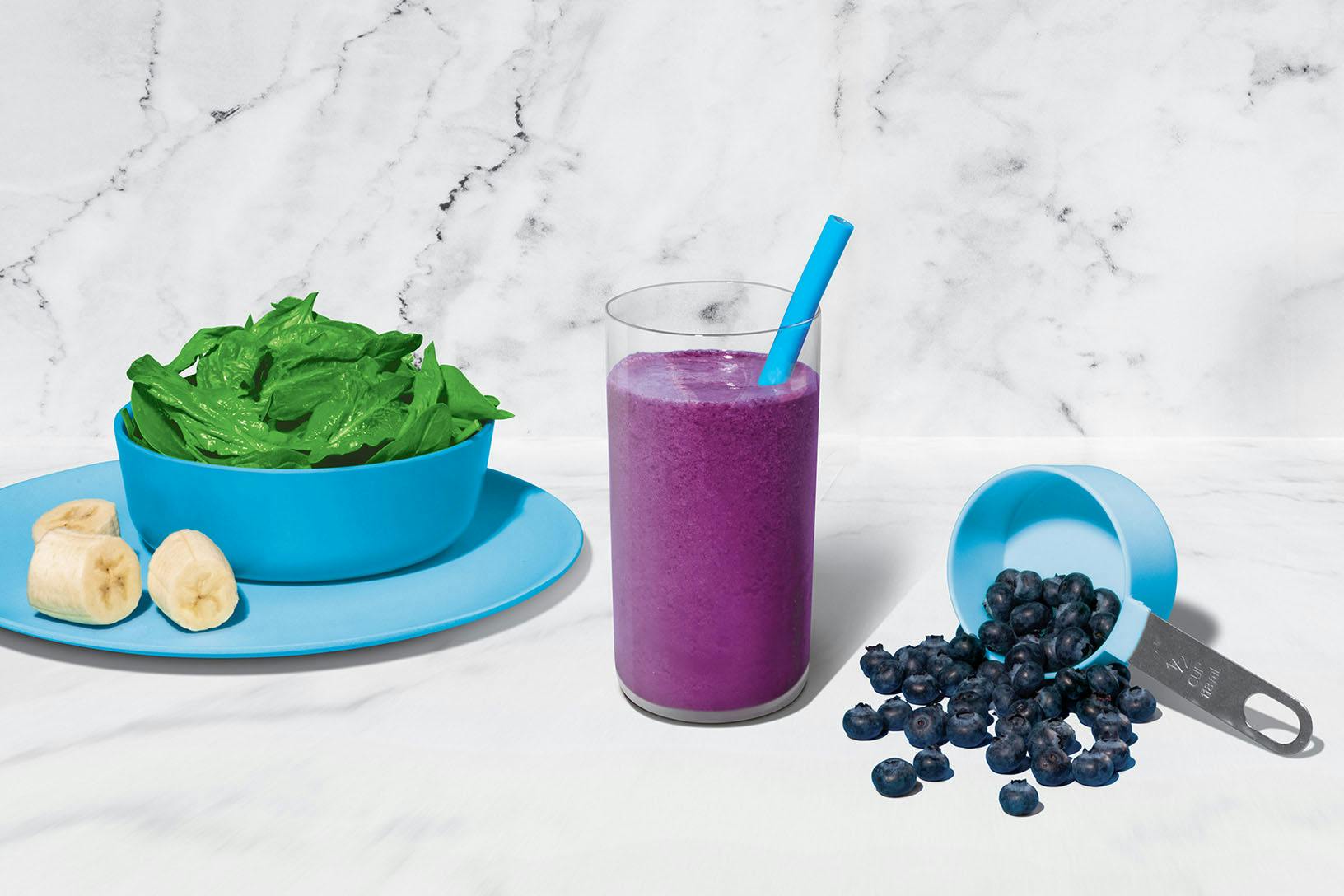
Is there such a thing as a perfect smoothie? This sweet medley certainly makes a strong case. With a classic combination of blueberries, banana, and spinach, this superstar smoothie provides a powerful nutrient boost!
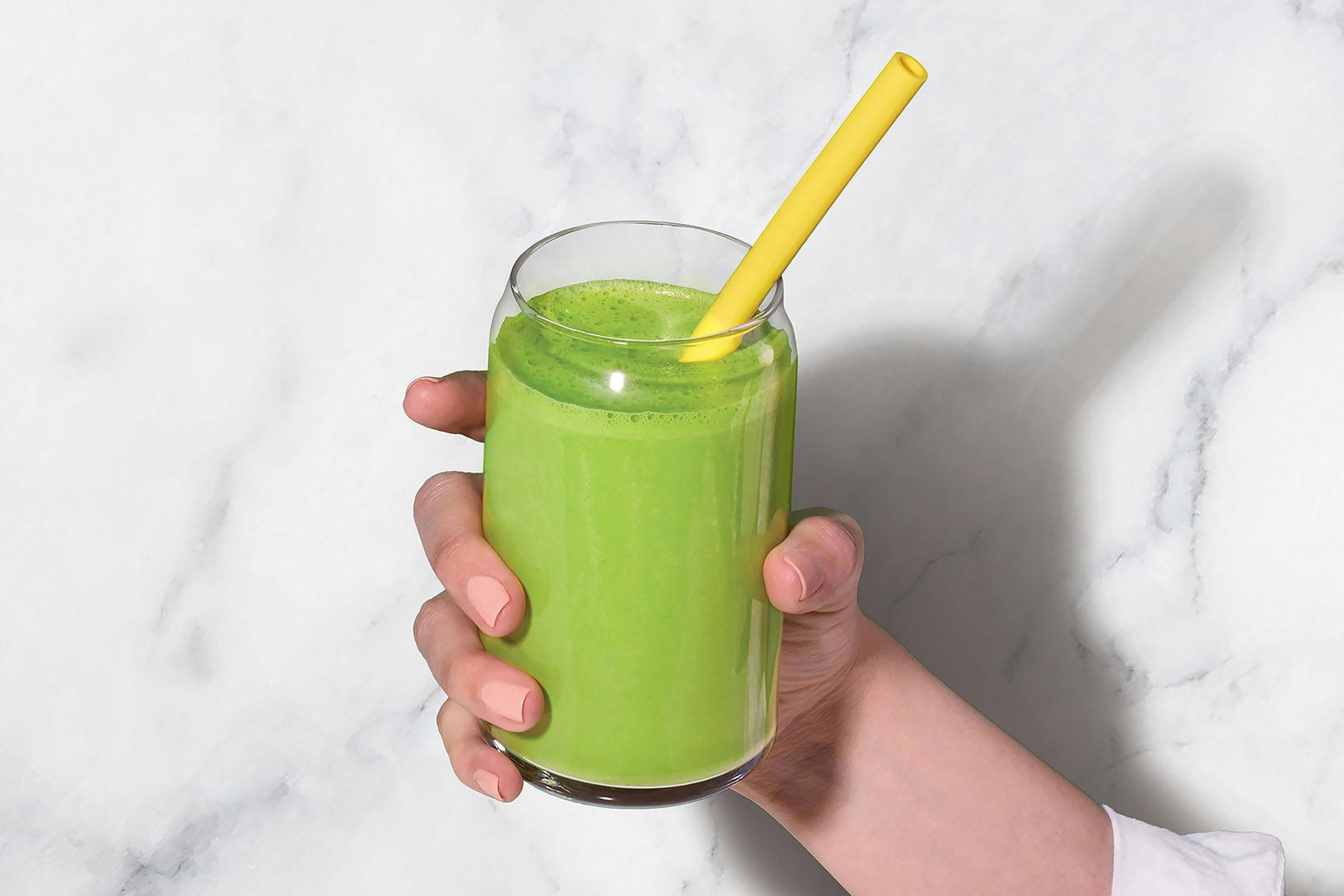
Consider this blend the little black dress of nutribullet smoothies: it never goes out of style. To help keep your energy stable throughout the day, aim to balance your meals and snacks with high-quality protein, healthy fats, and fiber-filled carbs – like this combo of Greek yogurt, peanut butter, fruit, and veggies. There’s a reason this one is always on-trend.
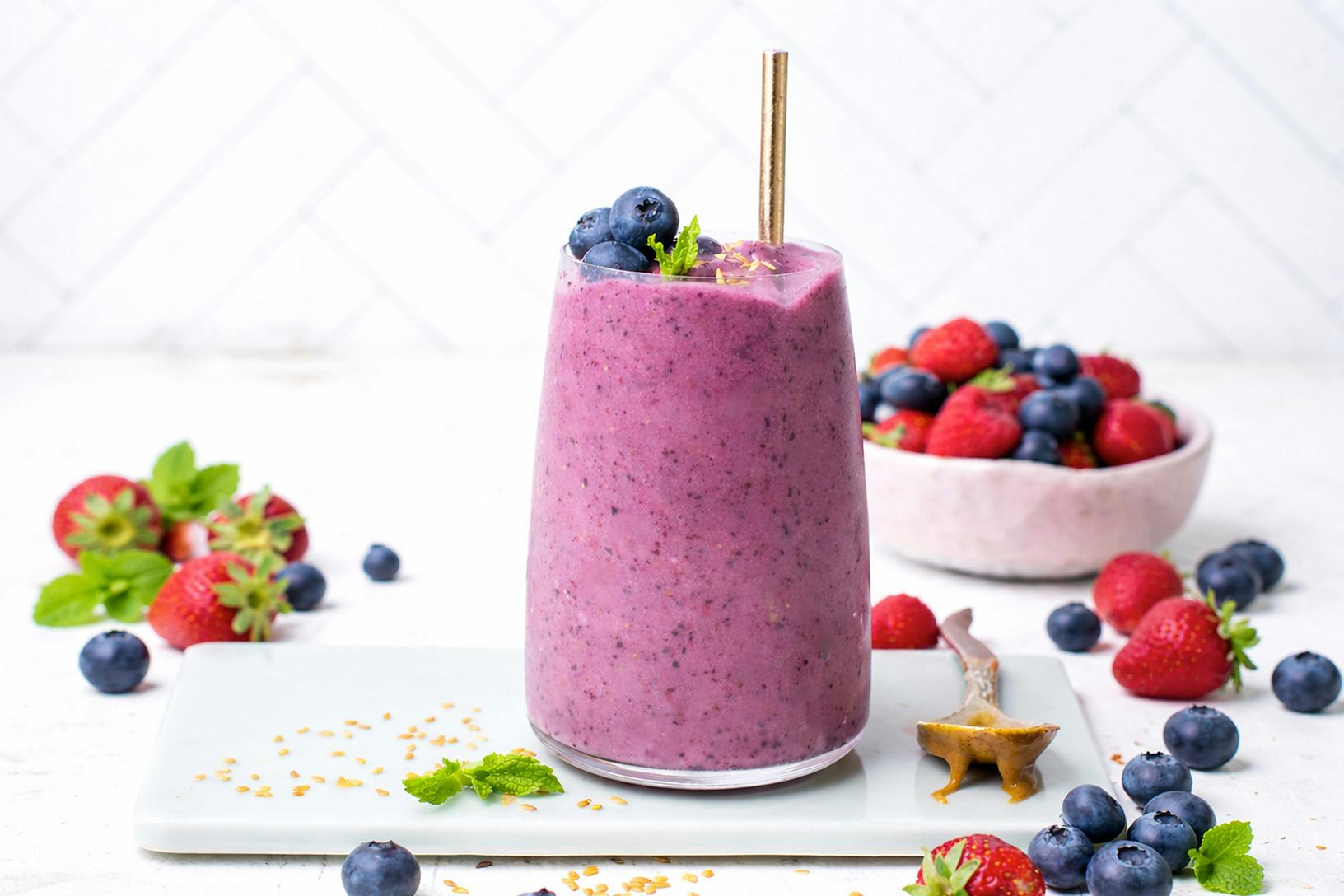
Start your day with an amazing dose of fiber and protein with this berry-liciousand super-nutritious big-batch smoothie.