FREE shipping on US orders over $45!
Your cart is empty!
FREE 1-year warranty on all blenders and juicers
More to Consider


Taxes and discounts calculated at checkout.


Free shipping on US orders over $45.
Free 1-year warranty on all blenders and juicers.

FREE shipping on US orders over $45!
FREE 1-year warranty on all blenders and juicers
More to Consider
Taxes and discounts calculated at checkout.
nutribullet
May 29, 2026

nutribullet
Nutrition made easy. At nutribullet, we believe that good nutrition has the power to transform lives. Our products, from our blenders to our blends, make nutrition fun and hassle-free for any lifestyle. So, if you're looking for a simple way to be healthy, we've got you covered.
If you already have a blender sitting on your countertop, you’ve probably wondered whether you really need a food processor. The two kitchen staples seem similar: both use blades, both help prep ingredients, and both take up precious kitchen space. So what are the benefits and functions of each? And can you ultimately skip buying a new appliance and use a blender to handle food processor duties? In many cases, yes!
While they’re designed for different kinds of kitchen tasks, there is some overlap between the two. A blender can do a surprisingly great job with certain recipes — especially anything smooth, creamy, or liquid-based. At the same time, there are some tasks where a food processor simply works better and gives you more control over texture and consistency.
The good news is that if you’re trying to streamline your kitchen, save space, or make the most of the appliance you already own, a blender can take you pretty far, without the need for an extra tool. This guide will walk through where a blender shines, where it has its limits, and how to get the best results from the tools you currently have in your cabinet.
Yes — for certain tasks.
Blenders excel at liquid-based recipes like smoothies, soups, sauces, dressings, and purees. Food processors, on the other hand, are designed for handling solid, dry, or chunky ingredients with more precision and control.
That means a blender can often replace a food processor for recipes requiring blending and mixing, but it struggles with jobs like slicing vegetables, shredding cheese, kneading dough, or evenly chopping ingredients.
The good news? If you want to use something for smoothies, soups, sauces, dips, and dressings, and execute simple prep work, you may not need a separate food processor at all.

Although they seem similar, blenders and food processors are built very differently.
A blender is designed with a tall, narrow container and equipped with a blade (usually fixed) at the bottom. When powered on, the spinning blade creates a vortex within the confines of the container, pulling ingredients downward, then recirculating them until fully blended and smooth. This design is optimized for liquefying ingredients quickly and creating ultra-smooth textures.
A food processor works differently. Rather than liquifying foods through a vortex, food processors can chop, slice, shred, mix and knead through a variety of interchangeable blades and disc attachments that distribute ingredients throughout its wide, shallow work bowl.
These attachments may include:
There’s also a difference in speed and control. Blenders often feature multiple speed settings, presets, and high-powered motors specifically designed to achieve a smooth consistency. Food processors tend to keep things simpler with on/off and pulse controls, giving users more control over texture for chopping and mixing.
There are several areas where a blender doesn’t just compete with a food processor — it performs better.
This is the blender’s home turf.
Blenders are specifically designed to break down frozen fruit, leafy greens, protein powders, and ice into smooth, drinkable textures. High-speed blades and vortex action make quick work of fibrous ingredients that a food processor would struggle to fully liquefy.
nutribullet single-serve blenders are especially effective for smoothies and shakes because they’re purpose-built for fast blending and easy cleanup.
When it comes to smooth texture, blenders usually outperform food processors.
A blender’s faster blade speed creates exceptionally silky soups, sauces, purees, and smooth salsas. Food processors can leave mixtures slightly grainy or textured by comparison.
Use your nutribullet blender to whip up:
Blenders generally handle ice far better than food processors.
That makes them the better choice for:
A food processor can crush ice to some extent, but it typically won’t achieve the same smooth, consistent texture. When crushing ice in your blender, make sure to add liquid ingredients as well; do not blend ice on its own.
Blenders are excellent at emulsifying ingredients.
The vortex action helps combine oil and water-based ingredients quickly and evenly, making it easy to prepare:
The result is usually smoother and more stable than hand mixing or processing in a food processor.

As useful as blenders are, there are certain food processor tasks they simply can’t replicate well.
This is one of the biggest limitations.
Food processors use dedicated slicing and shredding discs that create uniform cuts quickly and efficiently. A blender has no equivalent attachment.
Trying to shred cheese or slice vegetables in a blender usually leads to uneven pieces
or over-processed mush.
Even with a pulse setting, blenders generally move too aggressively for controlled chopping.
Ingredients often bounce unpredictably, with some pieces remaining too large while others turn into puree almost instantly. It’s difficult to monitor texture because the container is tall and narrow.
Food processors offer much more control for:
Raw meat is particularly problematic in a blender.
Instead of chopping evenly, meat tends to wrap around the blade assembly, creating an inconsistent texture and making cleanup difficult.
Food processors are much better suited for mincing meat safely and evenly using short pulse bursts.
Food processors can knead dough surprisingly well thanks to specialized dough blades and wide bowls that handle dry ingredients efficiently.
Blenders struggle because they rely on liquid movement to create circulation. Thick doughs don’t flow properly toward the blades.
Some high-powered blenders with dry-container attachments can manage certain dough tasks, but they’re still not ideal replacements for a true food processor.
One of the simplest kitchen rules for deciding between these appliances is this:
It’s not perfect for every recipe, but it works surprisingly well as a quick mental shortcut.
Blenders shine when smooth textures and liquids are involved. Food processors excel when texture control, chopping, slicing, or solid ingredient prep matters more.
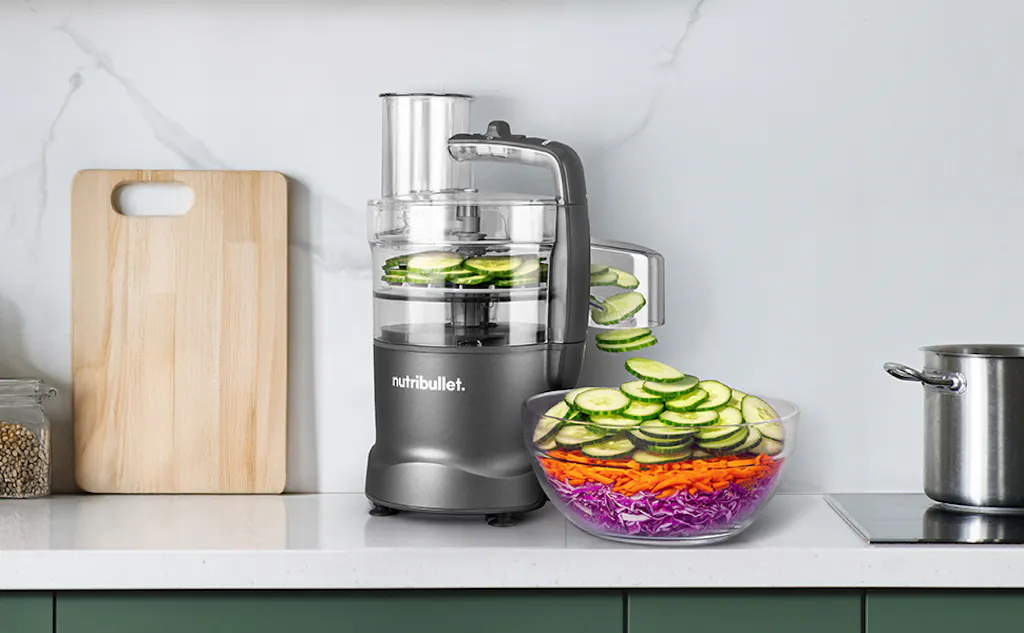
Even though blenders and food processors are built differently, there’s a meaningful overlap in what they can handle. Both are designed to speed up prep work, reduce manual chopping, and help you create consistent textures with less effort than doing everything by hand in the kitchen.
This overlap is why many people try to use a blender instead of buying an additional food processor, especially if they want to simplify their setup and rely on fewer kitchen appliances overall.
Both blenders and food processors can make homemade nut butters when used correctly.
A high-powered blender can turn peanuts, almonds, cashews, and other nuts into creamy spreads, especially in smaller batches where ingredients circulate easily. Food processors also perform well here because they handle thick mixtures with less resistance and more control over texture.
Both appliances are great for making dips and spreads like:
Blenders typically produce a smoother, more uniform texture, while food processors give you more control if you want a chunkier finish.
If a blender is the only appliance you have, there are still ways to make it work for certain food processor-style tasks.
Most blender substitutions require at least a little liquid to help ingredients circulate toward the blade.
Depending on the recipe, this could mean adding:
Just keep in mind that adding extra liquid may change the final texture of your mixture. Always add liquid slowly, so you have more control over consistency.
Pulse mode gives you more control than continuous blending.
Short bursts help prevent over-processing and can preserve some texture in recipes like:
Blenders handle smaller quantities better than large, crowded loads.
Overfilling the container usually leads to uneven results, so breaking ingredients into smaller batches improves consistency and reduces strain on the motor.
A blender will almost always create smoother results than a food processor.
That means chunky recipes may turn out softer or more pureed than intended. Adjust expectations — and recipes — accordingly.
For many kitchens, a blender alone may be enough.
If your cooking focuses mostly on:
…then a quality blender can cover most of your needs.
But if you regularly:
…a food processor is worth having; a blender simply cannot replace those functions effectively.
For smoothies, shakes, soups, sauces, dressings, and other liquid-based recipes, a quality blender is often all you need — and nutribullet blenders are built specifically for those everyday kitchen tasks.
Whether you want a compact personal blender for quick morning smoothies, a portable blender for on the go, or a more powerful full-size blender model for soups, sauces, nut butters, and frozen drinks, nutribullet offers options for a wide range of kitchens and cooking styles.
And for tasks that require more chopping, slicing, shredding, or dough-making power, the nutribullet Limitless™ Food Processor offers the dedicated tools a blender simply can’t replicate.
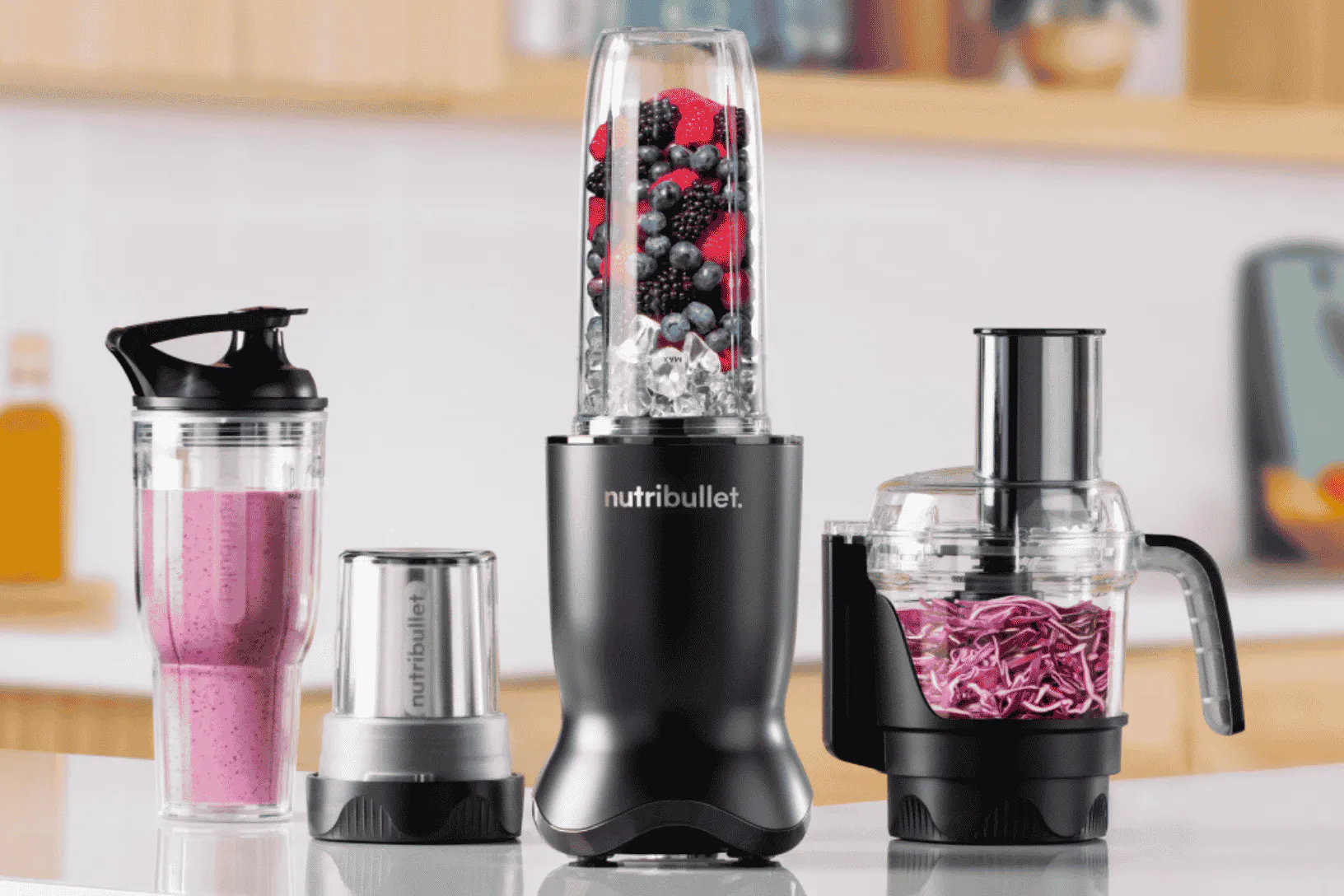
And for those who want the best of both worlds, check out nutribullet’s line of kitchen systems, versatile products featuring one motor base that works with both blender and food processor attachments.
Explore nutribullet blenders, food processors, and kitchen systems to find the right fit for your culinary lifestyle.
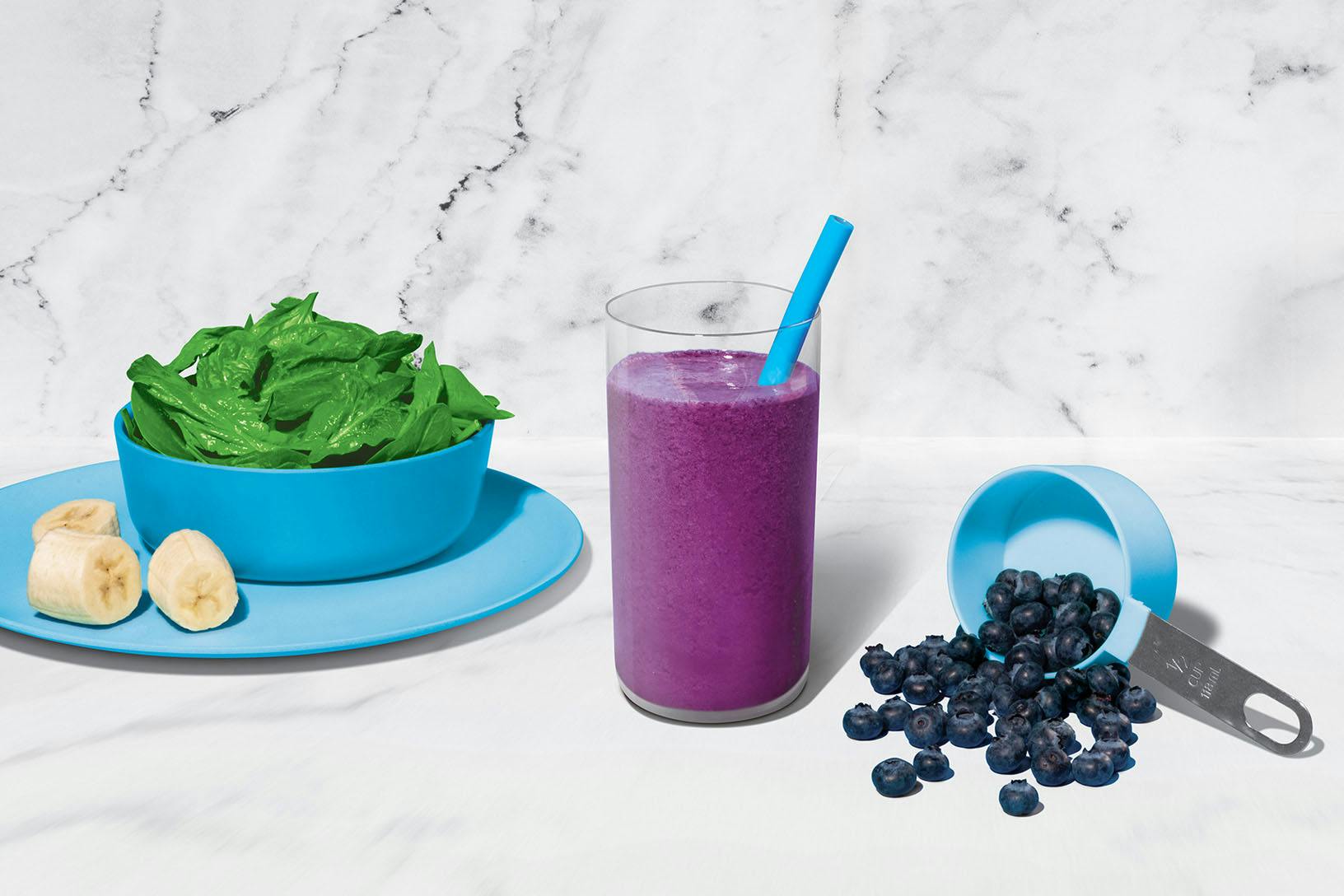
Is there such a thing as a perfect smoothie? This sweet medley certainly makes a strong case. With a classic combination of blueberries, banana, and spinach, this superstar smoothie provides a powerful nutrient boost!
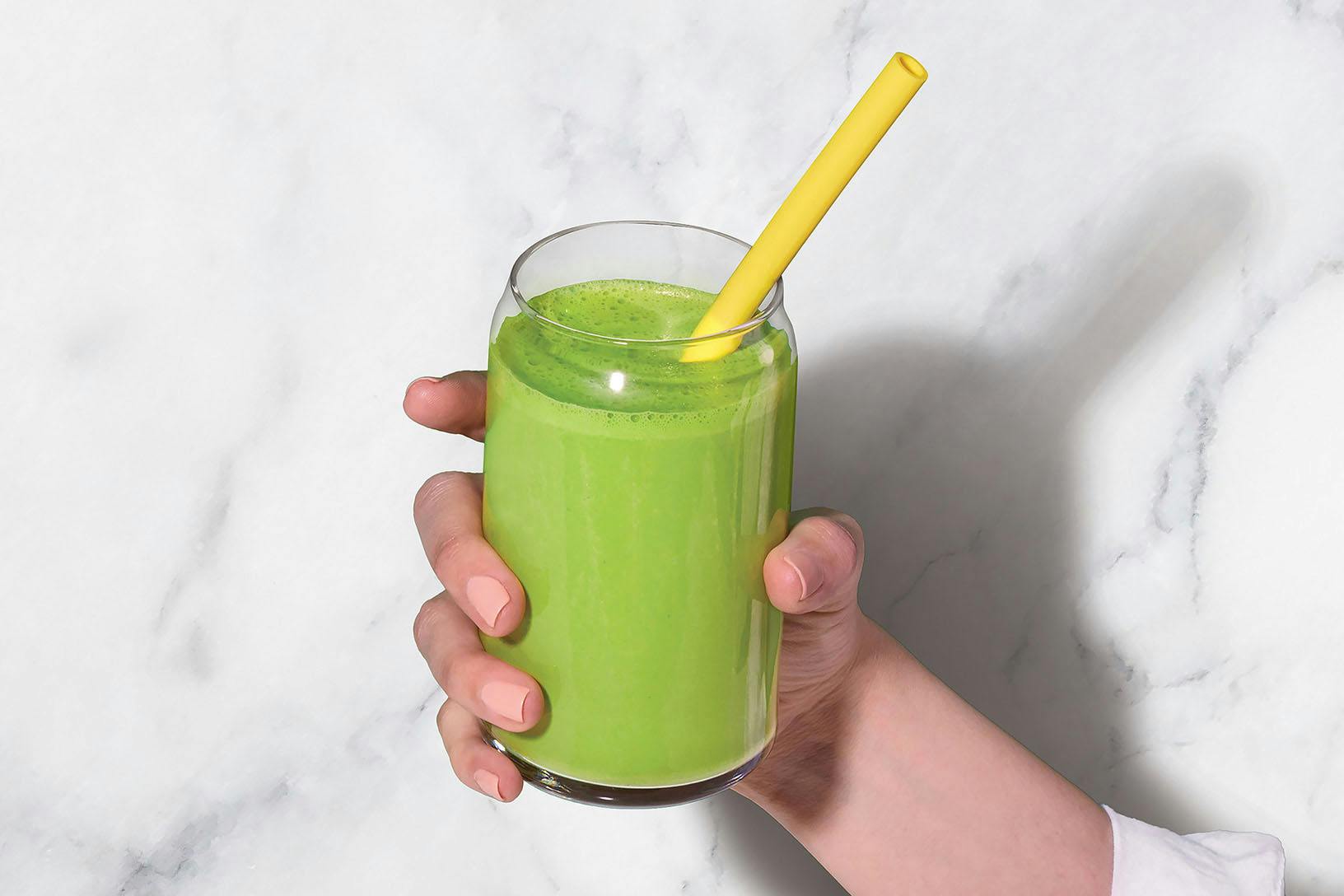
Consider this blend the little black dress of nutribullet smoothies: it never goes out of style. To help keep your energy stable throughout the day, aim to balance your meals and snacks with high-quality protein, healthy fats, and fiber-filled carbs – like this combo of Greek yogurt, peanut butter, fruit, and veggies. There’s a reason this one is always on-trend.
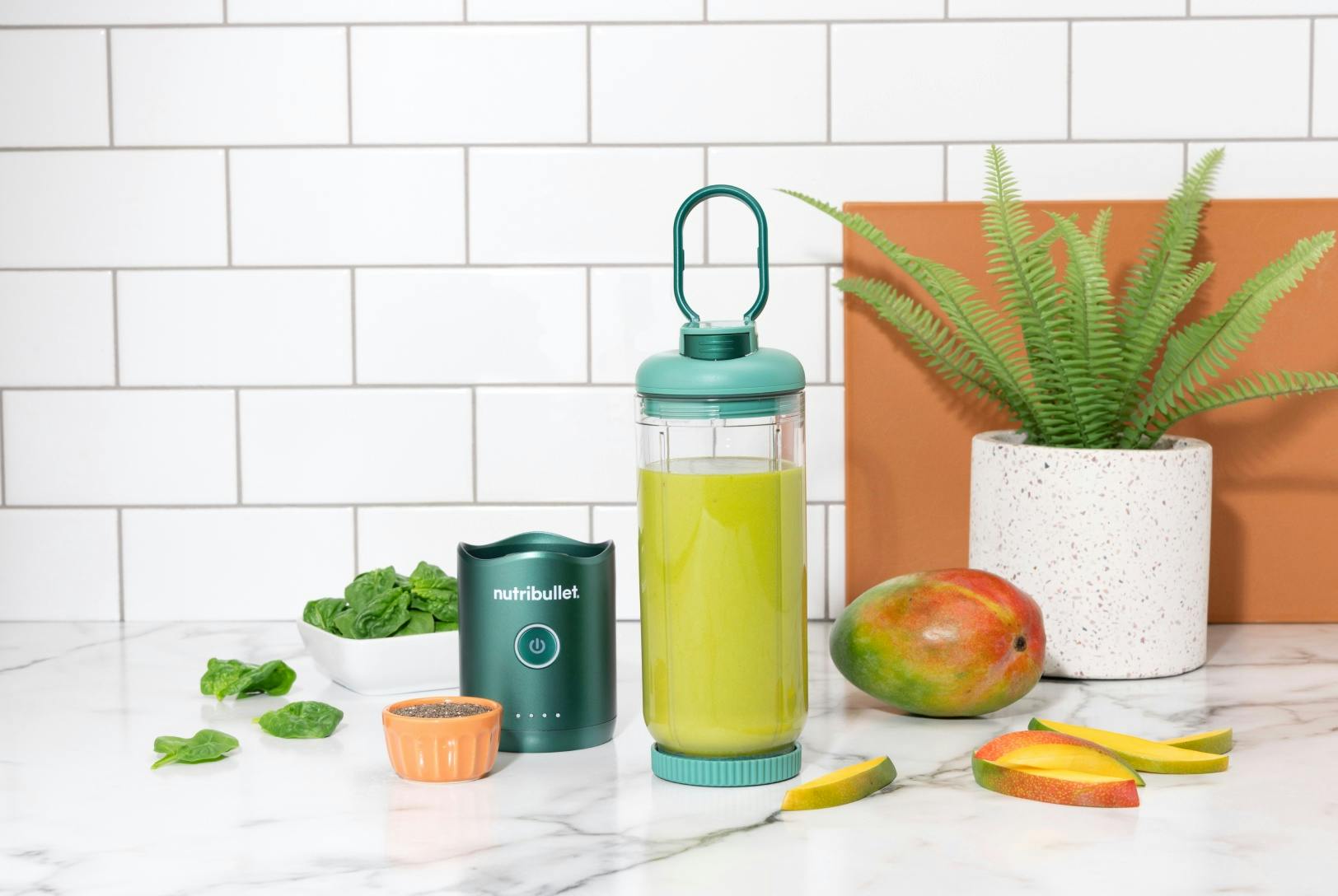
Start your day on a high note with this nutritiously cheerful blend of greens, mango, banana, and chia seeds.